What does a Physical Therapist Assistant do?
A Physical Therapist Assistant (PTA) plays a crucial role in helping patients recover from injuries or improve their physical capabilities. Working under the supervision of a physical therapist, a PTA helps to implement treatment plans designed to enhance mobility, relieve pain, and prevent further injury. They assist patients in performing exercises and therapeutic activities to regain strength and flexibility.
PTAs use a variety of techniques, including hands-on therapy, exercises, and the use of therapeutic equipment. They track patient progress and report back to the supervising physical therapist. This collaboration ensures that patients receive the best possible care. The role requires strong communication skills and the ability to follow detailed instructions. PTAs must be empathetic and patient-centered, focusing on the well-being of those they assist.
Daily tasks for a PTA might include:
- Assisting with patient evaluations
- Implementing treatment plans
- Helping with exercises and mobility training
- Using modalities like heat, ice, and electrical stimulation
- Educating patients on home exercises and prevention techniques
How to become a Physical Therapist Assistant?
Becoming a Physical Therapist Assistant (PTA) opens the door to a rewarding career in healthcare. This role involves working closely with physical therapists to help patients recover from injuries and improve their quality of life. Achieving this goal requires dedication and a clear plan. Follow these essential steps to start your journey as a PTA.
First, complete a high school diploma or GED. This is the basic requirement to enter a PTA program. Next, gain some experience in the healthcare field. Working as a nursing assistant, medical assistant, or volunteer at a healthcare facility can provide valuable insight. Third, find an accredited PTA program. Look for a program that meets the standards set by the Commission on Accreditation in Physical Therapy Education (CAPTE). Enroll in the program and complete the coursework. Most programs take about two years to finish.
- High School Diploma or GED: Obtain this basic requirement.
- Healthcare Experience: Work in a healthcare setting to gain insight.
- Enroll in a PTA Program: Find and enroll in an accredited program.
- Complete Coursework: Finish all required classes and practical training.
- Pass the Exam: Take and pass the National Physical Therapy Exam (NPTE) for PTAs.
After completing the program, pass the National Physical Therapy Exam (NPTE) for PTAs. This exam tests knowledge and skills needed for the job. Once passed, apply for state licensure. Each state has its own requirements, so check with your local board. With these steps completed, start looking for job opportunities and begin your career as a PTA.
How long does it take to become a Physical Therapist Assistant?
Interested in a career as a Physical Therapist Assistant? This rewarding path combines healthcare and hands-on patient care. Most find it a fulfilling choice. The journey to this role usually takes about two years. It includes both classroom study and hands-on training.
First, aspiring Physical Therapist Assistants attend an accredited associate degree program. These programs combine coursework in anatomy, physiology, and physical therapy techniques. Students also gain practical skills through clinical internships. This combination ensures they are job-ready upon graduation. Most associate degree programs last about two years. Some schools offer accelerated options for those who can manage a heavier course load.
Physical Therapist Assistant Job Description Sample
We are seeking a dedicated Physical Therapist Assistant to join our dynamic healthcare team. The ideal candidate will work under the supervision of a licensed physical therapist to provide essential rehabilitation services to patients, promoting their recovery and enhancing their quality of life.
Responsibilities:
- Assist physical therapists in the implementation of treatment plans for patients.
- Help patients perform exercises and activities designed to improve their mobility and strength.
- Monitor patients' progress and document their responses to treatments.
- Educate patients and their families about therapeutic exercises and home care techniques.
- Maintain patient records and prepare reports as required.
Qualifications
- Graduate of an accredited Physical Therapist Assistant program.
- State licensure as a Physical Therapist Assistant.
- Strong interpersonal skills and the ability to work collaboratively with patients and healthcare professionals.
- Excellent communication skills to effectively educate and instruct patients.
- Detail-oriented with strong organizational and time-management skills.
Is becoming a Physical Therapist Assistant a good career path?
A career as a Physical Therapist Assistant (PTA) offers a rewarding path for those who enjoy helping others recover and improve their physical abilities. PTAs work under the supervision of physical therapists, helping patients regain movement and manage pain. They assist in creating treatment plans and provide hands-on care, such as exercises and stretches. This role requires a mix of technical skills, empathy, and the ability to work as part of a healthcare team.
Working as a PTA has many advantages. It provides the satisfaction of making a direct impact on patients' lives. The job often involves physical activity, which can be fulfilling for those who enjoy an active lifestyle. PTAs can find employment in a variety of settings, including hospitals, private practices, and rehabilitation centers. The demand for PTAs is steady, offering good job security and opportunities for advancement. However, there are also some challenges to consider. The work can be physically demanding and may involve long hours on one's feet. Emotional stress can arise from working with patients who are dealing with serious health issues. It requires a strong commitment to continuing education to keep up with the latest techniques and regulations.
Below are some pros and cons to consider when thinking about a career as a Physical Therapist Assistant:
- Pros:
- Helping others improve their quality of life
- Good job security and demand
- Opportunities to work in various healthcare settings
- Short training period compared to other healthcare careers
- Cons:
- Physical demands of the job
- Potential for long and irregular hours
- Emotional stress from working with patients
- Need for ongoing education and training
What is the job outlook for a Physical Therapist Assistant?
Physical Therapist Assistants (PTAs) enjoy a promising job outlook, with an average of 24,300 new positions available each year. The field is expected to grow by 19% from 2022 to 2032, according to the Bureau of Labor Statistics (BLS). This increase reflects the growing demand for healthcare services, particularly for rehabilitation and physical therapy. Job seekers interested in this career path can look forward to many opportunities as the population ages and seeks more physical therapy services.
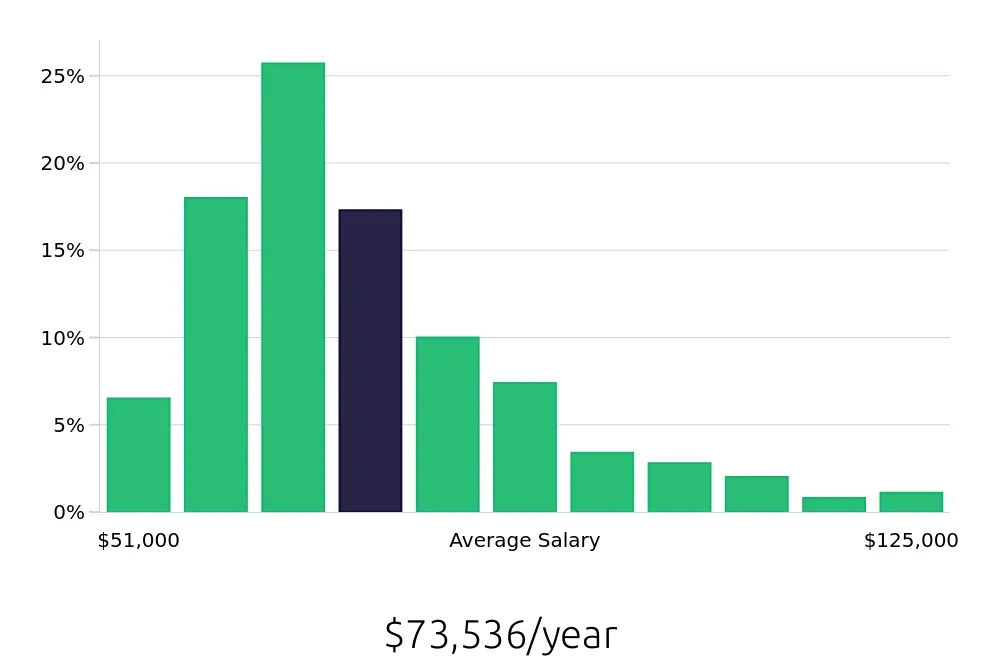
PTAs benefit from a competitive salary that aligns with their educational and training requirements. The average national annual compensation for PTAs is $56,870, offering a stable income for those who enter the field. Additionally, the hourly rate stands at $27.34, which provides PTAs with a fair wage for their work. These figures make the role attractive to professionals seeking a rewarding and financially viable career.
Aspiring PTAs can find satisfaction in a profession that offers both stability and growth. With a significant number of job openings each year and a strong projected increase in demand, this career is well-suited for those looking to make a difference in people's lives while securing a stable future. The combination of job security and competitive compensation makes becoming a PTA an excellent choice for job seekers.
Currently 5,872 Physical Therapist Assistant job openings, nationwide.
Continue to Salaries for Physical Therapist Assistant