What does a Plumbing Foreman do?
A Plumbing Foreman manages the plumbing projects for a company. This role involves overseeing a team of plumbers and ensuring that projects are completed on time and within budget. The Plumbing Foreman coordinates the tasks of the plumbing team, assigns duties, and ensures that all work adheres to safety and quality standards. This person also inspects completed work to ensure it meets the project specifications and client expectations.
The Plumbing Foreman communicates effectively with clients, project managers, and other team members. They must be skilled at problem-solving and have a thorough understanding of plumbing systems and materials. Strong leadership and organizational skills are essential for this role. The Plumbing Foreman ensures that all work is done safely and follows all local building codes and regulations.
Responsibilities may include:
- Supervising a team of plumbers
- Planning and scheduling work assignments
- Ensuring work meets quality standards
- Inspecting completed work
- Maintaining a safe work environment
- Communicating with clients and team members
How to become a Plumbing Foreman?
Becoming a Plumbing Foreman involves several key steps. It is a path that requires both education and hands-on experience. By following these steps, aspiring individuals can successfully transition into this rewarding career.
First, a person needs to complete a plumbing apprenticeship. This training provides the foundational skills needed for a career in plumbing. During this apprenticeship, an individual learns about installing, repairing, and maintaining plumbing systems. This hands-on experience is crucial.
- Complete a plumbing apprenticeship.
- Gain several years of experience as a plumber.
- Obtain necessary certifications or licenses.
- Develop strong leadership and management skills.
- Apply for positions as a Plumbing Foreman.
After apprenticeship, gaining experience in the field is essential. Many years of working as a plumber help build a solid skill set and a good reputation. Certifications and licenses may also be needed. These credentials demonstrate a high level of competency and professionalism.
Leadership and management skills are key for a Plumbing Foreman. Experience working in teams and overseeing projects prepares a person for this role. Applying for positions with these skills and qualifications increases the chances of securing a job as a Plumbing Foreman. This career offers the chance to lead a team and ensure projects run smoothly.
How long does it take to become a Plumbing Foreman?
The journey to becoming a Plumbing Foreman often begins with formal education. Most start with a high school diploma or equivalent. Some may choose to pursue further education through a vocational school or community college program. These programs usually last between one to two years. They offer hands-on training and classroom instruction.
After completing a training program, new plumbers usually gain experience by working as apprentices. This can take about four to five years. During this time, apprentices learn under the supervision of experienced plumbers. They get to understand all aspects of the job. This includes reading blueprints, installing pipes, and repairing systems. With experience and skills, they can then take on a Foreman role. This role involves overseeing projects and managing a team of plumbers. The total time from starting as an apprentice to becoming a Foreman usually ranges from five to seven years.
Plumbing Foreman Job Description Sample
A Plumbing Foreman is responsible for overseeing plumbing projects, leading a team of plumbers, ensuring work is completed efficiently and to the highest quality standards, and adhering to safety regulations.
Responsibilities:
- Supervise and manage a team of plumbers on various plumbing projects.
- Plan, organize, and schedule work assignments to meet deadlines.
- Ensure all plumbing work complies with local, state, and national safety regulations.
- Inspect plumbing work to ensure it meets company standards and quality control measures.
- Handle any issues or problems that arise during the course of a project.
Qualifications
- High school diploma or equivalent required; vocational training or an associate degree in plumbing or a related field is preferred.
- Minimum of 5-7 years of experience in plumbing, with at least 2 years in a supervisory or foreman role.
- Valid plumbing license or certification as required by state or local regulations.
- Strong knowledge of plumbing systems, codes, and regulations.
- Excellent leadership and team management skills.
Is becoming a Plumbing Foreman a good career path?
Working as a Plumbing Foreman involves overseeing plumbing projects, ensuring they meet quality and safety standards. This role requires strong leadership skills and a solid understanding of plumbing systems. A Plumbing Foreman collaborates with a team, assigning tasks, and ensuring that deadlines are met. This career path offers a mix of hands-on work and managerial responsibilities, making it suitable for those who enjoy problem-solving and team management.
Becoming a Plumbing Foreman has several advantages. It offers job stability and good earning potential. Many Plumbing Foreman positions come with benefits like health insurance and retirement plans. This career also allows for skill development and career advancement opportunities. However, it does come with some challenges. The work can be physically demanding and may involve long hours, especially during busy seasons. There is also a need to stay updated with the latest plumbing technologies and regulations.
Consider the following pros and cons when thinking about a career as a Plumbing Foreman:
- Pros:
- Job stability and good earning potential.
- Opportunities for career advancement.
- Skill development and hands-on work.
- Cons:
- Physically demanding work.
- Potential for long hours, especially during busy times.
- Need to keep up with new technologies and regulations.
What is the job outlook for a Plumbing Foreman?
Becoming a Plumbing Foreman offers a promising career path. According to the Bureau of Labor Statistics (BLS), there are about 66,600 job positions available each year. This steady demand shows a stable job market. The BLS also reports a 2.5% increase in job openings expected from 2022 to 2032. This growth indicates that more opportunities will arise in the coming years.
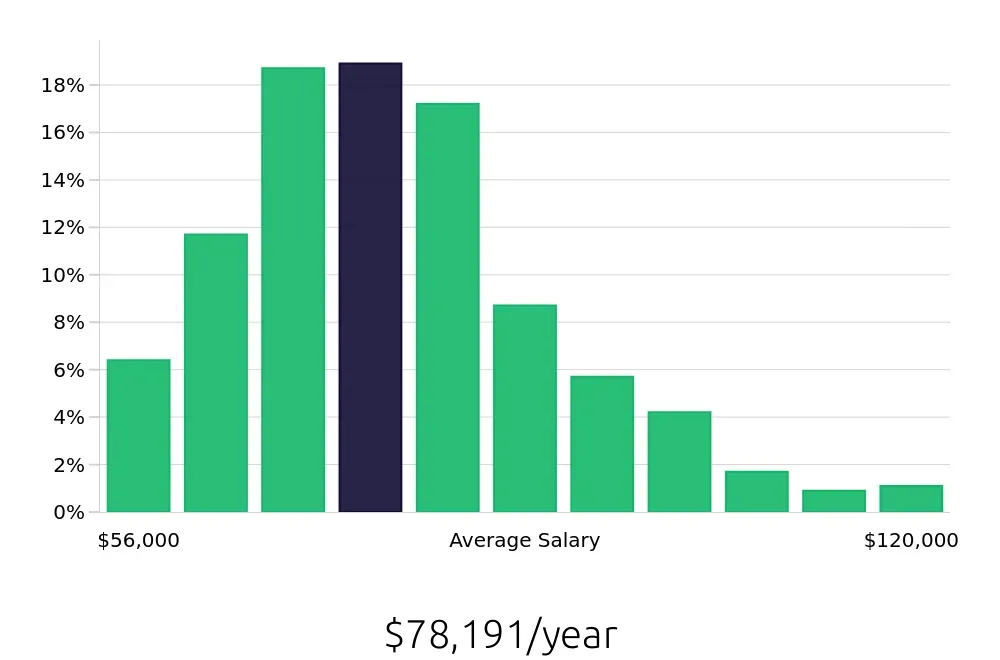
Plumbing Foremans enjoy a competitive salary as well. The average national annual compensation is $81,340. This means many professionals in this field earn a good living. Hourly compensation stands at $39.11, reflecting the value of their skilled work. These numbers make the profession attractive for those seeking financial stability and career advancement.
For job seekers interested in plumbing, this role combines practical skills with leadership responsibilities. With consistent job availability and solid pay, it presents a rewarding career choice. The growing demand and solid earnings make becoming a Plumbing Foreman a smart step toward a fulfilling career.
Currently 52 Plumbing Foreman job openings, nationwide.
Continue to Salaries for Plumbing Foreman