What does a Policy Specialist do?
A Policy Specialist works to develop and implement policies that guide an organization's operations. They research current laws and regulations to ensure compliance. Specialists analyze data and trends to inform policy decisions. They also draft policy documents and present recommendations to senior management. Engaging with stakeholders, they facilitate discussions to reach consensus on policy matters. Policy Specialists monitor policy effectiveness and suggest updates as needed.
In this role, a Policy Specialist collaborates with various departments to understand policy impacts. They often work with legal teams to ensure policies align with legal standards. This position involves evaluating the outcomes of implemented policies. Specialists may also engage with external organizations, such as government agencies, to stay informed about changes in the policy landscape. They play a critical role in maintaining a company's adherence to regulations while supporting its strategic goals.
How to become a Policy Specialist?
Becoming a Policy Specialist involves a mix of education, experience, and specialized knowledge. This role requires a deep understanding of laws, regulations, and policies, often in specific sectors like healthcare, finance, or technology. Here is a clear path to follow:
First, gain a solid educational foundation. Most employers look for a bachelor’s degree in a relevant field. Common majors include political science, public policy, law, or business. A degree provides the basic knowledge needed to understand policy frameworks.
- Earn a Bachelor's Degree: Study in areas like political science, public policy, or law.
- Gain Relevant Experience: Work in roles that involve policy analysis or research. Internships or entry-level jobs in government or advocacy groups can help.
- Pursue Advanced Education: Consider a master’s degree in public policy, public administration, or a related field. This can enhance your understanding and job prospects.
- Develop Key Skills: Focus on skills like analytical thinking, research, and communication. Proficiency in these areas is crucial for policy work.
- Network and Seek Certifications: Connect with professionals in the field and look for certifications that can boost your resume.
Next, gain practical experience. Working in roles related to policy analysis or research can be very beneficial. Internships, entry-level jobs, or volunteer positions in government agencies or advocacy groups provide hands-on experience. Building a strong professional network can also open doors to job opportunities. Continuing education through advanced degrees or specialized certifications can further enhance one's qualifications and career prospects.
How long does it take to become a Policy Specialist?
To become a Policy Specialist, the time it takes can vary. Many start by earning a bachelor's degree in a related field. This degree often takes about four years. Some choose to pursue a master's degree or additional certifications. This extra education can take one to two more years. Gaining relevant experience, such as internships or entry-level jobs, is also important. This can add another one to three years to the process.
Overall, it can take five to eight years to become a Policy Specialist. The exact timeline depends on your background and career goals. Some might find roles faster with the right education and experience. Employers often look for candidates with a mix of formal education and practical experience. This balance can help you secure a position more quickly.
Policy Specialist Job Description Sample
A Policy Specialist is responsible for researching, developing, and implementing policies that align with organizational goals. They analyze existing policies, propose policy changes, and ensure compliance with relevant laws and regulations. The role involves close collaboration with various departments to align policy initiatives with broader strategic objectives.
Responsibilities:
- Conduct comprehensive research on current policies and identify areas for improvement or revision.
- Develop and draft new policies and procedures based on research findings and stakeholder input.
- Review and analyze existing policies to ensure alignment with organizational goals and regulatory requirements.
- Collaborate with department heads and other stakeholders to gather input and ensure policy proposals meet organizational needs.
- Implement policy changes, providing guidance and training to staff as necessary.
Qualifications
- Bachelor’s degree in Public Policy, Law, Business Administration, or a related field.
- Proven experience (typically 3-5 years) in policy development, analysis, or a related field.
- Strong understanding of legal and regulatory frameworks relevant to the organization.
- Excellent research, analytical, and critical thinking skills.
- Proficient in using policy analysis tools and software.
Is becoming a Policy Specialist a good career path?
A Policy Specialist examines, develops, and implements policies for organizations. This role often involves working within government agencies, non-profits, or corporate environments. Policy Specialists research laws, regulations, and industry standards to ensure compliance and effectiveness. Their work requires strong analytical skills and attention to detail. These professionals often work on projects that impact public policy, corporate strategies, or community well-being.
Being a Policy Specialist offers both rewarding and challenging aspects. One of the key benefits includes the opportunity to make a significant impact on public or organizational policy. Policy Specialists often find satisfaction in contributing to meaningful changes that affect communities or industries. Another advantage is the chance to work in diverse environments, such as government, healthcare, or corporate sectors. This variety can provide opportunities for career growth and specialization.
However, this career path also comes with its set of challenges. Policy Specialists may face high-stress situations when dealing with time-sensitive issues or complex regulatory environments. The role requires a deep understanding of intricate policies and regulations, which can demand significant time and effort for continuous learning. Furthermore, the work can sometimes be isolating, as it often involves extensive research and writing rather than direct interaction with others.
Consider the following pros and cons when exploring a career as a Policy Specialist:
- Pros:
- Opportunity to influence important policies
- Variety of work environments
- Potential for career advancement
- Cons:
- High-stress situations
- Need for continuous learning
- Potential for isolation
What is the job outlook for a Policy Specialist?
The career outlook for Policy Specialists remains strong, with a steady demand for professionals in this field. According to the Bureau of Labor Statistics (BLS), approximately 9,600 new positions open each year. This steady demand indicates a promising future for job seekers entering this role.
The job outlook is further supported by a projected 5.6% increase in job openings from 2022 to 2032, according to the BLS. This positive trend suggests that more opportunities will become available as the demand for skilled Policy Specialists continues to grow. Aspiring professionals can look forward to a stable and expanding career path in this sector.
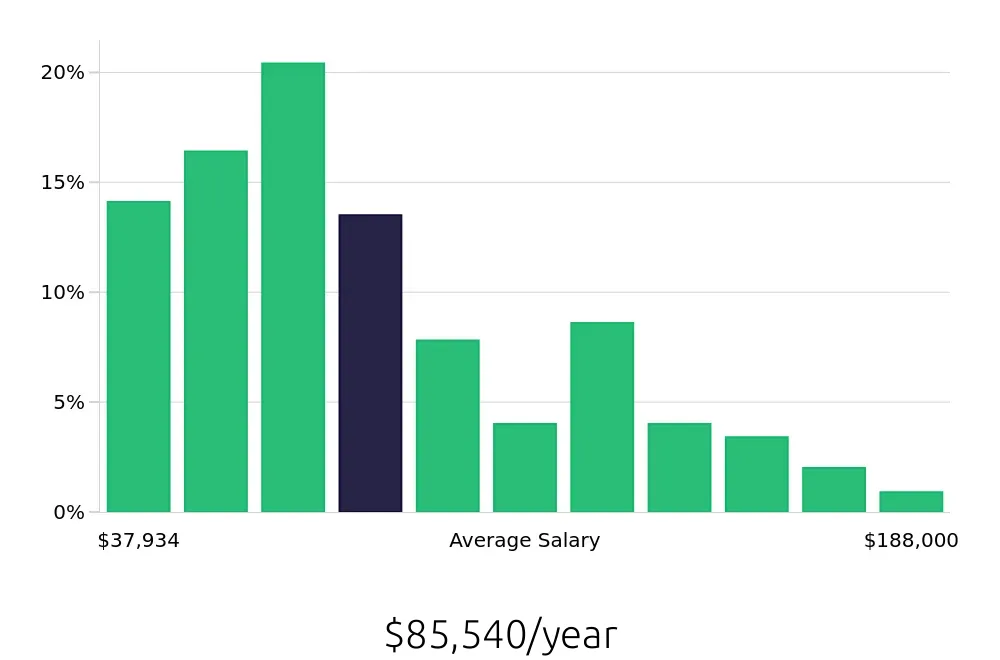
Salary expectations for Policy Specialists are also favorable, with an average annual compensation of $91,060, as reported by the BLS. Hourly, this translates to around $43.78. These figures reflect the value placed on the expertise and analytical skills that Policy Specialists bring to the table. Job seekers can anticipate competitive compensation in this rewarding field.
Currently 49 Policy Specialist job openings, nationwide.
Continue to Salaries for Policy Specialist