What does a Pool Attendant do?
A Pool Attendant plays a vital role in maintaining a clean and enjoyable swimming environment. They ensure guests have a safe and pleasant experience by performing daily tasks such as cleaning pool surfaces, checking water levels, and balancing chemical levels. The Pool Attendant also assists with emergency situations, ensuring the safety of all swimmers. They inspect pool equipment regularly and report any issues to the maintenance team.
Additionally, the Pool Attendant enforces pool rules, helps guests with pool rules and safety instructions, and provides basic first aid when necessary. They also assist in supervising children and ensuring they follow safety guidelines. The Pool Attendant often works in a team to ensure the pool area remains well-maintained throughout the day. This role requires attention to detail, a strong sense of responsibility, and excellent customer service skills. Good communication and the ability to work well with others are also essential qualities for this position.
How to become a Pool Attendant?
Becoming a pool attendant involves a clear process designed to ensure candidates meet the necessary requirements and are prepared for the responsibilities of the role. The journey begins with understanding the job description and qualifications needed. This step involves researching the specific duties of a pool attendant, such as ensuring safety, cleaning the pool area, and assisting guests with pool rules. Gathering information about the job will help candidates determine if they are a good fit for this role.
The next step focuses on preparing an effective resume and cover letter. A strong resume highlights relevant experience, skills, and certifications. Candidates should include any lifeguard or swim instructor certifications, as these are highly valued in this field. A well-crafted cover letter can express enthusiasm for the job and explain why the candidate is an excellent match for the position. This preparation is essential for standing out in a competitive job market.
The process also involves several practical steps:
- Gain necessary certifications such as lifeguard training and CPR certification.
- Apply for positions at hotels, resorts, or other facilities with pools.
- Attend interviews and be ready to discuss prior experience and skills.
- Undergo any required background checks and training sessions.
- Start the job with a focus on learning and improving customer service skills.
Following these steps can lead to a successful career as a pool attendant, offering opportunities to work in a dynamic environment while ensuring the safety and enjoyment of guests.
How long does it take to become a Pool Attendant?
For those considering a career as a Pool Attendant, understanding the time commitment is key. This role often requires minimal formal education. Most positions ask for a high school diploma or equivalent. Training usually takes a short period, often ranging from a few days to a couple of weeks. This training covers safety protocols, CPR, and basic swimming skills.
The actual timeline varies based on local regulations and the specific requirements of the employer. Some may offer on-the-job training, while others might have more formal training programs. It’s important to check with local employment offices or training centers for exact details. Generally, one can expect to gain the necessary skills and be job-ready in just a few weeks.
Pool Attendant Job Description Sample
The Pool Attendant is responsible for ensuring the cleanliness, safety, and overall maintenance of the pool area to provide a safe and enjoyable experience for guests. This role involves performing routine maintenance, enforcing pool rules, and assisting guests with any inquiries or needs.
Responsibilities:
- Monitor the pool area for safety hazards and ensure adherence to pool rules.
- Perform routine maintenance tasks such as cleaning, refilling, and testing pool water chemistry.
- Assist guests with pool rules, life jackets, and other pool-related inquiries.
- Conduct regular inspections of pool equipment and report any malfunctions or maintenance needs.
- Provide first aid and CPR if necessary, and report any incidents to management.
Qualifications
- Previous experience as a Pool Attendant or in a similar role preferred.
- Current certification in lifeguarding, CPR, and First Aid is highly desirable.
- Ability to work in an outdoor environment for extended periods.
- Excellent communication and customer service skills.
- Strong attention to detail and ability to follow safety protocols.
Is becoming a Pool Attendant a good career path?
Working as a Pool Attendant offers a unique blend of outdoor activity and customer service. Pool Attendants ensure the safety and enjoyment of guests at swimming pools, water parks, or spa facilities. This role involves maintaining pool cleanliness, monitoring water quality, and assisting patrons. It requires a good understanding of safety protocols and the ability to handle emergencies efficiently.
Pool Attendants enjoy a variety of tasks that keep the job interesting. They patrol the pool area to ensure everyone follows safety rules. They also administer first aid when needed and may handle pool equipment. The seasonal nature of the job can be both a pro and a con, offering a steady income during peak months but potentially less work during off-seasons. Below are some pros and cons to consider.
Pros
- Outdoor work environment
- Opportunity to interact with people
- Seasonal income with potential for tips
- Responsibility for guest safety
Cons
- Seasonal employment can lead to irregular hours
- Exposure to weather elements
- Potential for physical strain
- Limited career advancement opportunities
What is the job outlook for a Pool Attendant?
Becoming a Pool Attendant offers promising job opportunities. The Bureau of Labor Statistics (BLS) reports that there are about 101,300 job positions available each year. This number reflects the ongoing demand for skilled professionals in this field. Job seekers can look forward to a steady flow of opportunities as the BLS projects a 2.8% increase in job openings from 2022 to 2032.
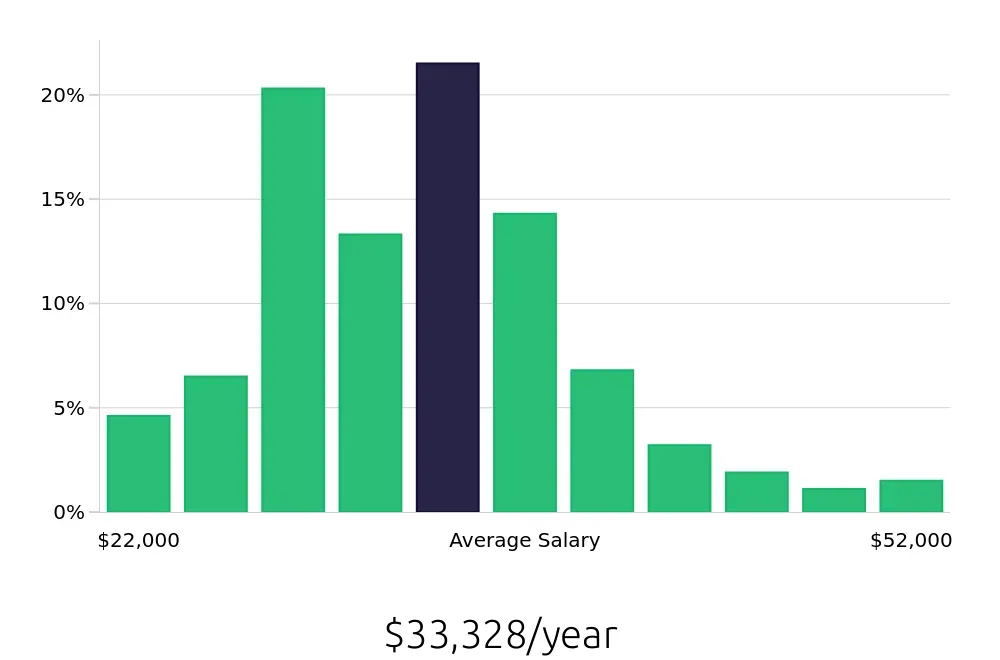
A career as a Pool Attendant is financially rewarding as well. The BLS data reveals an average national annual compensation of $39,270. This figure represents the total earnings many professionals can expect to receive annually. Additionally, the average hourly compensation stands at $18.88, providing a clear picture of the earnings potential on an hourly basis. These figures make it an attractive career choice for many.
For job seekers, these statistics indicate a stable and growing field. The combination of consistent job openings and competitive compensation makes the role of a Pool Attendant a solid career option. Aspiring professionals can feel confident about the future of this industry and the opportunities it presents.
Currently 129 Pool Attendant job openings, nationwide.
Continue to Salaries for Pool Attendant