What does a Preschool Teacher do?
A Preschool Teacher plays a vital role in shaping the early development of young children. They create a nurturing environment where children can learn through play and structured activities. These teachers plan and conduct lessons that promote social, emotional, and cognitive growth. They also assess children’s progress and report to parents. Being patient, creative, and attentive are key traits for this position.
Responsibilities of a Preschool Teacher include preparing lesson plans, teaching letters, numbers, and shapes, and reading books to the class. They must engage children in interactive activities to encourage learning. Communication with parents and guardians about their child’s development is also important. This role requires flexibility and the ability to adapt to each child’s learning pace. A Preschool Teacher helps lay the foundation for future academic success and social skills.
How to become a Preschool Teacher?
Becoming a preschool teacher offers a rewarding opportunity to shape young minds and foster early learning. It requires dedication, the right qualifications, and a passion for working with children. Follow these steps to embark on this fulfilling career path.
Start by earning a degree in early childhood education or a related field. Most preschool teachers hold at least an associate degree. Consider programs that include student teaching or internships to gain hands-on experience. Next, complete any required coursework and practicum hours specific to your state. This will prepare you for the classroom and ensure you meet all licensing requirements.
Obtain the necessary certifications and licenses. Each state has its own requirements, so research what is needed in your area. Typically, this involves passing background checks and exams. Some preschools may also require additional certifications, such as CPR or first aid training. Gather all documents and apply for your teaching license through your state's education department.
- Earn a relevant degree.
- Complete required coursework and practicum hours.
- Obtain certifications and licenses.
- Search for job openings in preschools, daycare centers, or private institutions.
- Prepare for interviews by practicing common questions and showcasing your passion for early childhood education.
Search for job openings in preschools, daycare centers, or private institutions. Use job boards, school websites, and professional networks to find opportunities. Tailor your resume and cover letter to highlight your education, experience, and skills related to preschool teaching. Prepare for interviews by practicing common questions and showcasing your passion for early childhood education. Demonstrate your ability to create a positive and nurturing learning environment.
How long does it take to become a Preschool Teacher?
Interested in shaping young minds? A career as a Preschool Teacher can be both rewarding and fulfilling. Understanding the time commitment helps set clear expectations. Typically, the journey requires a mix of education and practical experience.
First, earning a degree in Early Childhood Education takes about four years. This degree covers important topics like child development and teaching methods. After completing this education, gaining hands-on experience through internships or assistant teaching roles is valuable. Many states also require certification, which often includes passing a background check and completing a set number of supervised teaching hours. When all steps are finished, the total time from start to fully licensed Preschool Teacher can range from four to six years.
Preschool Teacher Job Description Sample
A Preschool Teacher is responsible for creating and implementing a safe and engaging learning environment for young children. They prepare lesson plans and activities that promote early childhood development and encourage social, emotional, and cognitive growth.
Responsibilities:
- Develop and implement age-appropriate lesson plans and activities that follow educational standards and curriculum guidelines.
- Create a nurturing and inclusive classroom environment that fosters the social, emotional, and intellectual growth of all children.
- Plan and facilitate indoor and outdoor activities that promote physical development and creativity.
- Assess the developmental progress of each child and document their progress through observations and assessments.
- Communicate with parents and guardians regarding the progress and well-being of their child, including any developmental concerns.
Qualifications
- Bachelor’s degree in Early Childhood Education, Child Development, or a related field.
- State certification or licensure in Preschool Education, if required by the state.
- Experience working with young children in a preschool or childcare setting.
- Strong understanding of early childhood development principles and best practices.
- Excellent communication and interpersonal skills.
Is becoming a Preschool Teacher a good career path?
Being a preschool teacher offers a unique blend of creativity and responsibility. This role allows educators to shape young minds and foster early learning experiences. Preschool teachers work in a dynamic environment, where each day brings new challenges and opportunities to engage children in fun and educational activities. The role often requires strong communication skills, patience, and a love for working with young children.
Choosing this career path comes with its own set of pros and cons. Preschool teachers enjoy a flexible schedule that includes long summer breaks. They also have the satisfaction of witnessing their students' growth and development. However, the job can be demanding, requiring teachers to manage a classroom full of energetic and sometimes unruly children. Additionally, preschool teachers often work with limited resources, which can make lesson planning and classroom management challenging at times.
Here are some pros and cons to consider:
- Pros:
- Flexible schedule with summer breaks
- Opportunity to influence early childhood development
- Ability to create a fun and engaging learning environment
- Cons:
- Managing a classroom full of young children can be challenging
- Often working with limited resources
- The job can be physically and emotionally demanding
What is the job outlook for a Preschool Teacher?
The role of a Preschool Teacher offers a promising job outlook for prospective educators. According to the Bureau of Labor Statistics (BLS), there are an average of 69,300 job positions available each year. This consistent demand highlights a steady need for qualified professionals in early childhood education. Job seekers looking to enter this field can expect a relatively stable career path with ample opportunities.
The job outlook for Preschool Teachers shows a positive trend. The BLS reports a projected percent change in job openings from 2022 to 2032 at 2.8%. This growth rate suggests that the demand for Preschool Teachers will remain steady, providing a reliable career path for those interested in early childhood education. With the expected increase in job openings, job seekers can anticipate good career prospects in this sector. This growth reflects the ongoing importance of early education in child development.
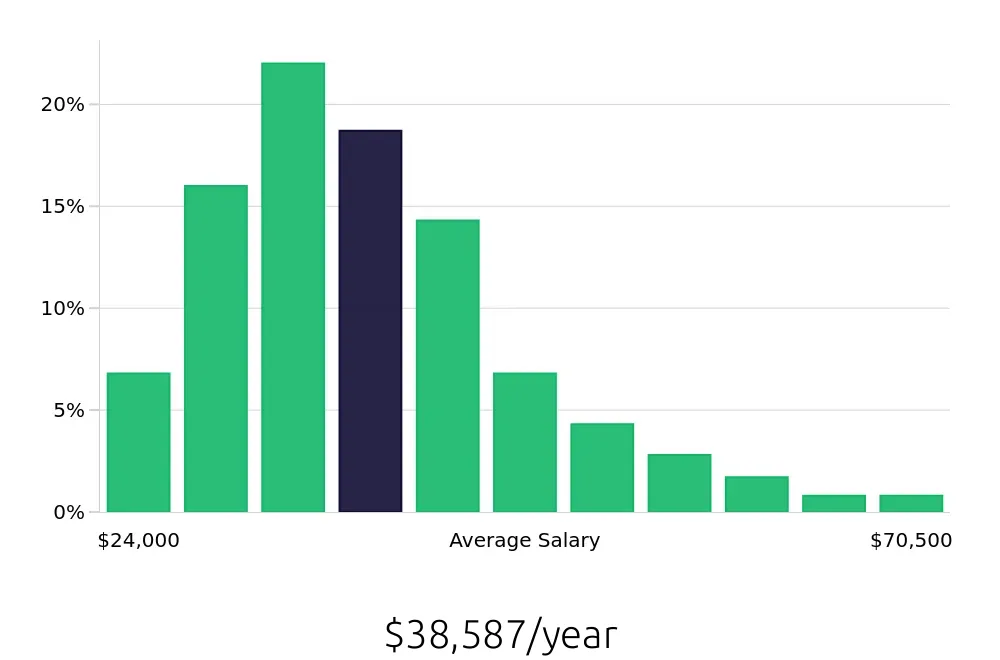
Preschool Teachers earn a respectable income, with an average national annual compensation of $47,110, as per the BLS. This figure translates to an average hourly rate of $22.65. These figures indicate that pursuing a career as a Preschool Teacher can be both rewarding and financially viable. The compensation data shows that educators in this role receive a fair wage, reflecting the value of their contributions to society. Job seekers will find this compensation attractive, offering a good balance between job satisfaction and financial stability.
Currently 5,242 Preschool Teacher job openings, nationwide.
Continue to Salaries for Preschool Teacher