What does a Private Chef do?
A private chef specializes in creating custom meal plans and preparing food for private clients. This can include families, executives, or individuals who want personalized culinary experiences. The private chef travels to the client’s home or designated location to cook meals. They ensure that all dishes meet the client’s dietary needs and preferences.
The role involves a range of responsibilities. The chef plans menus, shops for fresh ingredients, and executes cooking tasks. They often work closely with clients to learn about their tastes and any food allergies or restrictions. The private chef also manages kitchen tasks such as food preparation, cooking, and cleanup. Excellent communication skills are essential to understand and fulfill client requests. Attention to detail ensures that each meal is prepared to perfection.
How to become a Private Chef?
Becoming a private chef offers the chance to follow a culinary passion and make it a career. It requires dedication, skill, and specific steps to succeed in this field. This guide outlines the essential steps to become a private chef.
First, aspiring private chefs need a solid culinary education. A degree in culinary arts or a related field provides a strong foundation. Experience in high-end restaurants or cooking schools helps build the necessary skills. Next, gaining experience is crucial. Working under experienced chefs allows learning about different cuisines and cooking techniques. Internships and apprenticeships provide valuable on-the-job training.
- Obtain a culinary education.
- Gain experience in professional kitchens.
- Develop a unique cooking style.
- Build a network in the culinary industry.
- Market yourself as a private chef.
Developing a unique cooking style sets a chef apart. Experimenting with flavors and techniques helps create a signature cuisine. Building a network involves connecting with other chefs, food enthusiasts, and potential clients. Marketing oneself through social media, a website, or local advertisements helps attract clients. Continuous learning and adapting to new trends ensure success in the ever-evolving culinary world.
How long does it take to become a Private Chef?
The journey to becoming a private chef varies, often depending on education and experience. Many chefs start with a culinary degree, which takes about two years. This degree includes kitchen skills and food theory. After completing this education, chefs may work in restaurants to gain experience. This on-the-job training can take several years. Some choose to study further, perhaps earning a diploma or certification in specialized cooking techniques or cuisines.
Individuals interested in private chef work should also build a strong portfolio. Experience in high-end restaurants or catering events adds value. Networking within the culinary community can open doors to private chef positions. Experienced chefs might also seek certifications from recognized culinary institutions. These certifications can boost credibility and job prospects. Continuous learning and adapting to new culinary trends are key. With dedication and hard work, aspiring private chefs can achieve their goals in a few years to a decade.
Private Chef Job Description Sample
A Private Chef is a culinary professional responsible for preparing and cooking meals for a specific individual or family. This role requires advanced culinary skills, creativity, and the ability to tailor meals to individual dietary needs and preferences.
Responsibilities:
- Plan and prepare custom meals based on the dietary preferences, restrictions, and tastes of the client.
- Create and maintain a menu that evolves based on seasonal ingredients and client feedback.
- Shop for fresh, high-quality ingredients and manage kitchen inventory.
- Ensure food safety and hygiene standards are met in all meal preparations.
- Coordinate with other household staff, such as housekeepers, to ensure a seamless and efficient kitchen operation.
Qualifications
- A minimum of 5-10 years of professional cooking experience, preferably in fine dining or private chef environments.
- Proven experience as a Private Chef or in a similar role.
- Advanced culinary skills, including expertise in various cooking techniques and cuisines.
- Strong understanding of nutrition and the ability to prepare meals that cater to specific dietary needs.
- Excellent organizational and time-management skills.
Is becoming a Private Chef a good career path?
Working as a private chef offers a unique blend of creativity and responsibility. This role involves preparing personalized meals for clients in their homes or at private events. Private chefs create menus that match the tastes and dietary needs of their clients. They often work with families or individuals seeking a personal touch in their dining experiences. This career can be rewarding for those who love cooking and enjoy personalized work.
Choosing this career path comes with its own set of advantages and challenges. One of the main pros is the chance to showcase culinary skills on a personal level. Private chefs can express their creativity by crafting unique dishes. Another benefit is the potential for flexible hours. Many private chefs set their own schedules, which can lead to a better work-life balance. However, there are also some cons. This job can be demanding, requiring long hours, especially during events. Private chefs also need to handle the stress of preparing meals in a client's home. Balancing the personal needs of clients with their own business goals can be challenging.
Here are some pros and cons to consider:
- Personalized work experience
- Opportunity to showcase culinary skills
- Flexible work hours
On the other hand:
- Long hours during events
- Potential stress from working in clients' homes
- Balancing client needs with business goals
What is the job outlook for a Private Chef?
Private Chefs have a promising job outlook with an expected 6.4% increase in job openings from 2022 to 2032, according to the Bureau of Labor Statistics (BLS). This growth suggests a steady demand for culinary professionals who cater to high-end clientele, offering a lucrative career path for those in the field. Job seekers can look forward to numerous opportunities to showcase their skills and build a successful career.
The BLS reports an average of 439,300 job positions available per year for Private Chefs, highlighting the robust nature of this profession. With this number of job openings, aspiring chefs have ample chances to find positions that match their skills and career goals. The industry’s demand for qualified culinary experts ensures that those with the right expertise can secure stable and rewarding employment.
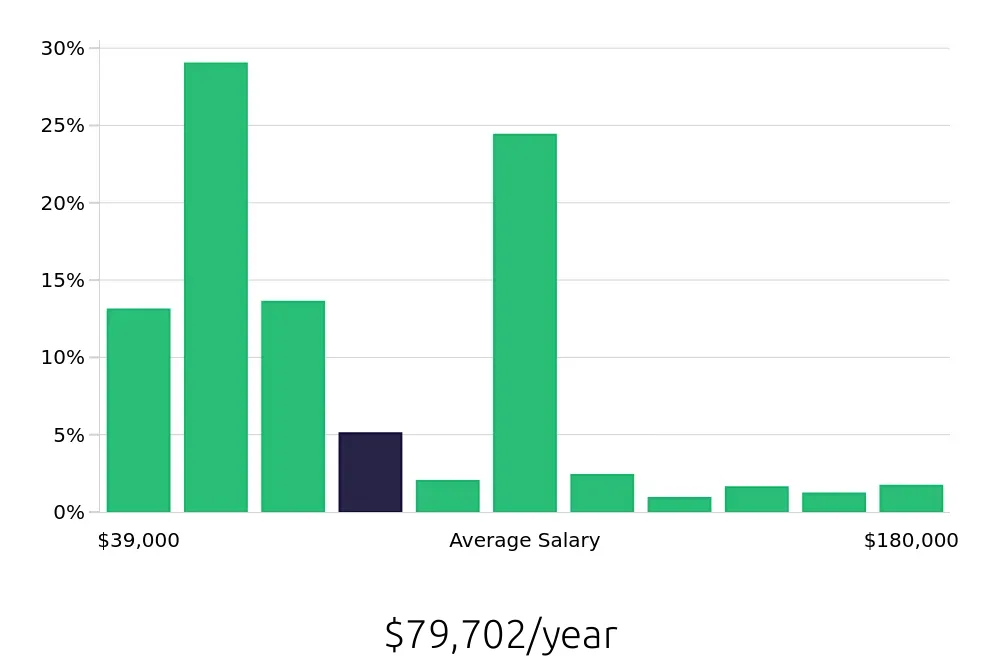
The BLS also reports an average annual salary of $34,360 for Private Chefs, with an hourly rate of $16.52. These figures reflect a competitive compensation package for individuals entering this field. For those who pursue advanced training and gain experience, there is potential for higher earnings, making it a financially attractive career choice for dedicated professionals.
Currently 119 Private Chef job openings, nationwide.
Continue to Salaries for Private Chef