What does a Private Teacher do?
A Private Teacher offers personalized education to individuals or small groups. This role focuses on tailoring lessons to meet the specific needs of each student. Private Teachers work one-on-one or in small settings, allowing for more individualized attention. They design lesson plans that align with each student's learning style and goals.
Responsibilities include assessing student needs, preparing customized lesson materials, and providing feedback on student progress. Private Teachers often focus on specific subjects, such as math, science, languages, or music. They create a supportive learning environment, encouraging students to ask questions and engage actively. This role requires patience, creativity, and strong communication skills.
How to become a Private Teacher?
Becoming a private teacher offers a rewarding career where you can make a direct impact on students' lives. This path requires dedication and careful planning. Follow these steps to embark on this fulfilling journey.
First, establish your credentials. Most students and parents seek teachers with solid qualifications. Hold at least a bachelor’s degree in education or a related field. Certifications can add to your credibility, and specialized training in areas like tutoring or test prep can set you apart.
- Choose a specialty: Decide which subjects or skills to teach. Popular options include math, science, languages, or test preparation.
- Get the necessary certifications: Check local regulations for any required licenses or certifications.
- Create a professional profile: Develop a website or use online platforms to showcase your services. Include your experience, qualifications, and testimonials from past students.
- Network within your community: Attend local events, join educational groups, and connect with other educators to build a client base.
- Set your rates: Research the market to set competitive yet fair rates. Consider offering packages or discounts for long-term commitments.
With these steps, a professional can effectively launch a career as a private teacher, offering personalized education and making a positive impact on students' academic journeys.
How long does it take to become a Private Teacher?
The journey to becoming a private teacher varies based on educational and personal goals. Many start with a bachelor's degree in education or a related field. This often takes about four years. Some teachers choose to pursue a master's degree for additional qualifications. This can take another two years. A few states require a teaching license. Obtaining this license might involve completing a teacher preparation program and passing exams. This process can take several months to a year. Experienced educators often build their reputations and networks over time, which can enhance career opportunities.
Personal choices also impact the timeline. Some educators gain experience through internships or volunteering while in college. Others may work in related fields before transitioning to private teaching. Career paths and life events, such as family commitments, can affect how quickly someone achieves their teaching goals. With dedication and the right steps, many private teachers find fulfilling roles within a few years. Each step brings closer to making a positive impact in students' lives.
Private Teacher Job Description Sample
A Private Teacher provides personalized education and instruction to students in a one-on-one or small group setting. This role involves developing customized lesson plans, assessing student progress, and adapting teaching methods to meet individual learning needs.
Responsibilities:
- Design and implement personalized lesson plans tailored to individual student needs and learning styles.
- Conduct regular assessments to evaluate student progress and understanding.
- Adapt teaching methods and materials to meet the specific needs and abilities of each student.
- Provide constructive feedback and guidance to help students improve and achieve their academic goals.
- Communicate regularly with parents or guardians to update them on student progress and discuss any concerns.
Qualifications
- Bachelor’s degree in Education or a related field.
- Teaching certification or license (if required by state or country).
- Proven experience as a private teacher or tutor.
- Strong knowledge of the subject matter being taught.
- Excellent communication and interpersonal skills.
Is becoming a Private Teacher a good career path?
Working as a private teacher can be a rewarding career path. This role allows educators to connect with students on a personal level. They can tailor lessons to meet individual needs and learning styles. This flexibility can make teaching more engaging and effective. Private teachers often work in comfortable settings, such as students' homes or quiet libraries.
There are both benefits and challenges in this career. On the positive side, private teachers have the freedom to design their own curriculum. This can lead to a more personalized learning experience for students. The job often allows for a flexible schedule. Teachers can choose their hours and the number of students they work with. However, private teachers also face some challenges. They might need to handle administrative tasks on their own, such as scheduling and invoicing. Income can vary greatly depending on the number of students and the rates charged.
Consider the following pros and cons before pursuing a career as a private teacher:
- Pros:
- Flexible work schedule
- Ability to create a personalized curriculum
- Comfortable teaching environment
- Cons:
- Income can be unstable
- Need to handle administrative tasks
- Potentially fewer benefits compared to public school teaching
What is the job outlook for a Private Teacher?
The job outlook for private teachers looks promising with an average of 39,100 job positions opening each year, as reported by the BLS. This number is expected to increase by 3.3% from 2022 to 2032. This growth suggests a steady demand for private educators who can offer personalized instruction in various subjects. Whether working with students needing help in specific subjects or those looking to advance their skills, private teachers have many opportunities.
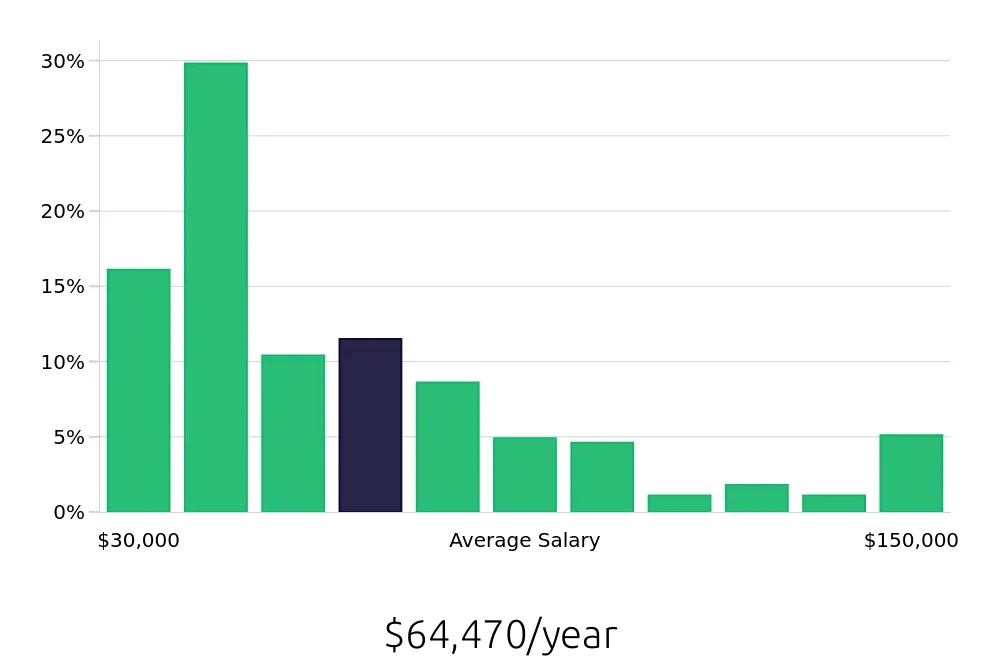
Private teachers enjoy a solid average national annual compensation of $48,580, according to the BLS. This figure reflects a competitive salary that can vary based on factors such as location, experience, and subject expertise. Those who specialize in high-demand subjects or offer tutoring for standardized tests may find even higher earning potential. With dedication and the right skills, private teachers can achieve a rewarding career both financially and professionally.
In addition to a stable income, private teachers benefit from flexible work hours and the chance to impact students' lives positively. Many private teachers set their own schedules, allowing for a better work-life balance. This flexibility can be especially appealing to those who prefer a less rigid work environment. To succeed, private teachers need strong communication skills, patience, and a passion for teaching. With these qualities, they can thrive in this growing field.
Currently 213 Private Teacher job openings, nationwide.
Continue to Salaries for Private Teacher