What does a Project Controls Specialist do?
A Project Controls Specialist plays a crucial role in managing and overseeing the financial and operational aspects of a project. This specialist ensures that projects remain on track by monitoring costs, schedules, and performance metrics. They work closely with project managers and team members to develop and maintain budgets, forecasts, and reports.
Responsibilities of a Project Controls Specialist include analyzing project data, preparing detailed reports, and presenting findings to senior management. They use specialized software to track progress and identify potential issues early. This specialist helps teams make informed decisions by providing accurate and timely information. They also assist in contract management, ensuring that project timelines and costs align with contractual agreements. With strong analytical skills, attention to detail, and a focus on efficiency, a Project Controls Specialist contributes significantly to the successful completion of projects.
How to become a Project Controls Specialist?
Becoming a Project Controls Specialist can lead to a rewarding career in project management and engineering. This role involves overseeing project schedules, costs, and resources. It requires a mix of technical skills, experience, and education. Follow these steps to start your journey in project controls.
First, gain relevant education and experience. Most employers look for candidates with at least a bachelor's degree in engineering, construction management, or a related field. Work experience in construction or a related industry helps too. Internships and entry-level positions can provide valuable experience.
- Earn a Degree: Obtain a bachelor's degree in engineering, construction management, or a similar area.
- Gain Experience: Work in construction or a related field to build practical skills.
- Learn Software: Master project management software, such as Primavera P6 or MS Project.
- Get Certified: Consider certifications like the Project Management Professional (PMP) or Certified Construction Professional (CCP).
- Seek Job Opportunities: Apply for Project Controls Specialist positions and use networking to find openings.
Second, learn to use project management software. Tools like Primavera P6, MS Project, and other scheduling software are essential. Familiarity with these tools makes a candidate more attractive to employers. Third, consider getting certified. Certifications such as the Project Management Professional (PMP) or Certified Construction Professional (CCP) can enhance your resume. These certifications show dedication and knowledge in the field.
How long does it take to become a Project Controls Specialist?
Choosing a career as a Project Controls Specialist can lead to a rewarding and stable job. This role focuses on managing costs, schedules, and budgets for projects. The time to become a Project Controls Specialist can vary. Some people enter this field quickly, while others take longer.
Most employers look for candidates with a bachelor’s degree in construction management, engineering, or a related field. This education often takes four years. During this time, students learn about project management and controls. Some choose to specialize further with a master’s degree, which can take an additional two years. Gaining practical experience helps too. Many gain experience through internships or entry-level positions. This hands-on work is valuable. It can speed up the process of becoming a full-fledged specialist.
Project Controls Specialist Job Description Sample
A Project Controls Specialist is responsible for providing cost and scheduling expertise to ensure project success within budget and timeline. This role involves analyzing project data, preparing reports, and providing recommendations to improve project performance.
Responsibilities:
- Develop and maintain project schedules, ensuring milestones and deliverables are met.
- Monitor project costs, track expenses, and manage budget forecasts.
- Prepare and present regular reports to project stakeholders, including progress, risks, and performance metrics.
- Conduct variance analysis to identify areas of concern and provide recommendations for corrective actions.
- Collaborate with project managers, engineers, and other stakeholders to ensure alignment of project controls with overall project goals.
Qualifications
- Bachelor's degree in Construction Management, Engineering, Business Administration, or a related field.
- Proven experience as a Project Controls Specialist or similar role, preferably in the construction or engineering industry.
- Strong knowledge of project management principles, cost estimation, and scheduling techniques.
- Proficiency in project management software (e.g., Microsoft Project, Primavera) and Microsoft Office Suite.
- Excellent analytical and problem-solving skills, with attention to detail.
Is becoming a Project Controls Specialist a good career path?
A Project Controls Specialist focuses on managing and controlling a project's budget and schedule. They ensure projects stay on track and within budget. This role involves analyzing project data and making adjustments as needed. It is a key position in industries like construction and engineering.
This career offers a mix of office work and site visits. Project Controls Specialists interact with different teams and stakeholders. They use various software tools to track progress and manage data. This role requires strong analytical skills and attention to detail.
Choosing this career path has its pros and cons. Here are some to consider:
- Pros:
- Stable demand in industries like construction and engineering.
- Opportunities for career growth and advancement.
- Access to training and professional development.
- Cons:
- Requires attention to detail and strong analytical skills.
- Can involve working long hours, especially during project deadlines.
- May require travel to project sites, which can be time-consuming.
What is the job outlook for a Project Controls Specialist?
The job outlook for Project Controls Specialists is positive, with an average of 107,000 job positions available each year. This steady demand means a good chance to find work in this field. The Bureau of Labor Statistics (BLS) projects a 4.1% growth in job openings from 2022 to 2032. This suggests that more companies will need these specialists to manage and control project costs and schedules.
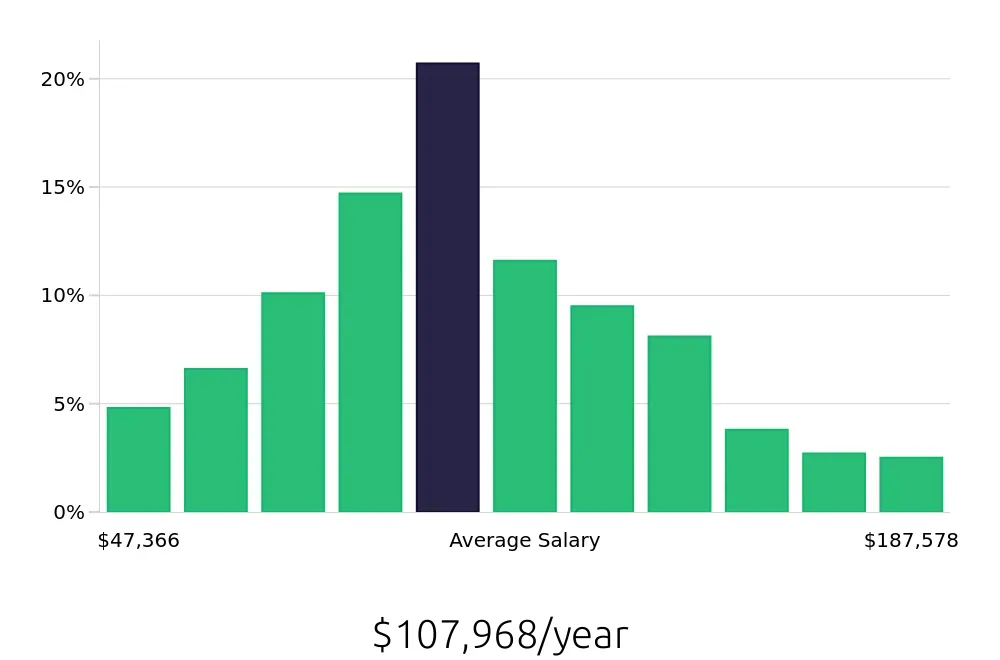
A Project Controls Specialist earns a strong average national annual compensation of $89,130, according to the BLS. This high salary reflects the importance of their role in ensuring projects stay on budget and on time. Hourly, specialists can earn an average of $42.85. This competitive pay makes the career attractive to many job seekers. The demand for skilled professionals and good pay makes it a desirable field.
Job seekers interested in becoming a Project Controls Specialist should note the growing opportunities and strong compensation. The combination of positive job growth and a good salary makes this career path appealing. With the right skills and qualifications, one can expect to find rewarding and well-compensated work in this field.
Currently 206 Project Controls Specialist job openings, nationwide.
Continue to Salaries for Project Controls Specialist