What does a Purchaser do?
A Purchaser plays a key role in managing the buying process for a company. This role involves selecting suppliers, negotiating contracts, and ensuring that goods and services meet the company’s needs. Purchasers carefully review bids and proposals to find the best value for the company. They also monitor delivery schedules to ensure that products arrive on time. Purchasers maintain good relationships with suppliers to facilitate smooth transactions and address any issues that may arise.
Key responsibilities of a Purchaser include evaluating market trends, analyzing pricing structures, and maintaining accurate purchase records. They work closely with various departments to understand their specific needs and make informed purchasing decisions. Purchasers must have strong analytical skills, attention to detail, and the ability to negotiate effectively. They often need to have a solid understanding of the products or services they are purchasing, as well as the supply chain process. By efficiently managing the purchasing function, Purchasers help companies save money and improve their operations.
How to become a Purchaser?
Becoming a Purchaser involves a clear process that opens doors to exciting career opportunities. To embark on this path, one must follow a structured set of steps designed to build necessary skills and experience.
Below is a detailed guide outlining the steps to become a Purchaser:
- Gain Relevant Education: Start with a degree in business, supply chain management, or a related field. This educational foundation provides the basic knowledge needed for a career in purchasing.
- Develop Key Skills: Learn essential skills such as negotiation, analytical thinking, and understanding supply chain operations. These skills are crucial for managing purchases effectively.
- Seek Entry-Level Experience: Gain experience through internships or entry-level positions in purchasing or procurement. This hands-on experience is valuable for understanding the day-to-day tasks of a Purchaser.
- Pursue Professional Certifications: Consider certifications such as Certified Professional Purchaser (CPP) or Certified Purchasing Professional (CPP). These credentials enhance credibility and knowledge in the field.
- Network and Apply: Connect with professionals in the industry through networking events and online platforms. Apply for jobs that match your skills and experience.
How long does it take to become a Purchaser?
Purchasing is a crucial role in many industries, ensuring that companies acquire goods and services efficiently. The time it takes to become a Purchaser varies based on several factors. Generally, it takes between two and four years to reach this career level. Most people start with a high school diploma or GED and gain experience through entry-level positions.
To progress, individuals often take courses in business, economics, or supply chain management. Some employers prefer or require a bachelor’s degree. Gaining certifications, such as Certified Purchasing Professional (CPP), can also speed up the process. Understanding the procurement process, developing strong communication skills, and mastering software tools are essential for success in this role.
By combining formal education with hands-on experience, a career in purchasing becomes both accessible and rewarding.
Purchaser Job Description Sample
We are seeking a detail-oriented and proactive Purchaser to join our team. The ideal candidate will be responsible for sourcing, selecting, and procuring goods and services to meet the organization's needs. The Purchaser will work closely with various departments to ensure timely and cost-effective procurement.
Responsibilities:
- Develop and implement procurement strategies to meet organizational needs.
- Source and select suppliers and negotiate contracts to secure the best terms and conditions.
- Collaborate with internal stakeholders to understand their requirements and preferences.
- Prepare and manage purchase orders, ensuring accuracy and compliance with company policies.
- Conduct market research to identify potential suppliers and emerging market trends.
Qualifications
- Bachelor’s degree in Business Administration, Supply Chain Management, or a related field.
- Proven experience as a Purchaser or in a similar role.
- Strong knowledge of procurement processes and best practices.
- Excellent negotiation and communication skills.
- Proficiency in procurement software and Microsoft Office Suite.
Is becoming a Purchaser a good career path?
A Purchaser plays a key role in any business that buys goods or services. This person looks at needs, finds suppliers, and makes deals. The job involves understanding what the company needs and finding the best options. A Purchaser works with many people, including suppliers, finance teams, and department heads.
This role can offer many benefits. Working as a Purchaser gives the chance to see how a business runs from many angles. It also provides the opportunity to build a network with suppliers. People in this role often get to travel and meet new people. They also have the chance to influence the company's budget and operations.
However, being a Purchaser also has its challenges. The job can be stressful due to tight deadlines and high expectations. It requires strong negotiation skills and attention to detail. Purchasers need to stay up-to-date with market trends and regulations. This job also involves a lot of paperwork and attention to detail.
Here are some pros and cons to consider:
- Pros:
- Opportunity to work across different departments
- Chance to build a network with suppliers
- Influence on company budget and operations
- Cons:
- Stressful due to tight deadlines
- Requires strong negotiation skills
- Needs to stay updated with market trends
What is the job outlook for a Purchaser?
Job seekers interested in becoming a Purchaser can find a stable employment landscape ahead. According to the Bureau of Labor Statistics (BLS), around 39,000 job positions open annually. This figure indicates a consistent flow of opportunities. The BLS also forecasts a modest decline in job openings, showing a -7.7% change from 2022 to 2032. Despite this, the role of a Purchaser remains vital across industries.
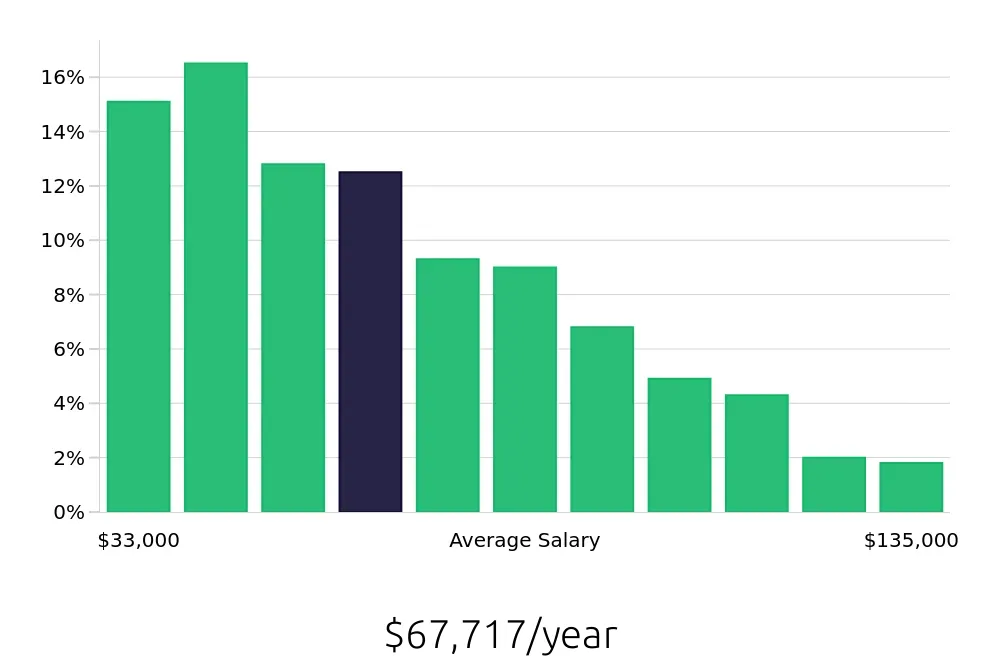
Purchasing roles offer competitive compensation. The BLS reports an average national annual salary of $77,850. This figure reflects the value placed on purchasing skills in various sectors. Additionally, the average hourly compensation stands at $37.43. This indicates that job seekers can expect fair wages for their expertise and responsibilities. These figures make the role attractive to those seeking both job stability and financial rewards.
For job seekers, the purchasing field offers a balanced mix of job security and financial benefits. With approximately 39,000 positions opening each year, according to the BLS, there are ample opportunities. The average annual salary of $77,850 and hourly rate of $37.43 add to the appeal. Although job openings may decline slightly by 2032, the purchasing profession remains a solid choice for those seeking stability and remuneration in their careers.
Currently 446 Purchaser job openings, nationwide.
Continue to Salaries for Purchaser