What does a Purchasing Agent do?
A Purchasing Agent works to acquire goods and services for a company. They search for the best deals and negotiate with suppliers to ensure the company gets high-quality products at competitive prices. This role involves analyzing market trends, reviewing supplier performance, and managing contracts.
Key responsibilities include conducting market research, placing purchase orders, and maintaining relationships with vendors. This position requires strong negotiation skills, attention to detail, and the ability to forecast future needs. A Purchasing Agent ensures that the company operates smoothly by securing the necessary materials and supplies.
Daily tasks may include:
- Reviewing purchase requisitions
- Comparing prices and negotiating terms
- Managing inventory levels
- Ensuring compliance with company policies
- Maintaining records of all transactions
How to become a Purchasing Agent?
Pursuing a career as a Purchasing Agent can offer an exciting opportunity to work within the supply chain of a company. This role involves buying goods and services to meet company needs. It requires a combination of analytical, organizational, and communication skills. Follow these steps to start a successful career in purchasing.
First, acquiring a relevant education forms the foundation for this career. Many employers seek candidates with a bachelor's degree in business, supply chain management, or a related field. This education provides the necessary knowledge of business practices and market trends. Second, gaining experience in a related role helps build essential skills. Positions like inventory control or logistics can offer valuable insights into supply chain operations. Third, obtaining industry certifications can enhance job prospects. Certifications such as the Certified Purchasing Professional (CPP) or Certified Professional in Supply Management (CPSM) demonstrate a commitment to professional development.
Next, developing strong communication skills is crucial. Purchasing Agents need to negotiate with suppliers, understand contracts, and manage relationships. Fourth, building a robust professional network can lead to job opportunities. Networking through industry events, online platforms like LinkedIn, and professional organizations can connect job seekers with potential employers. Lastly, staying updated with market trends and technologies is essential. Purchasing Agents should stay informed about new procurement tools and market changes to remain competitive in the field.
- Acquire a relevant education.
- Gain experience in a related role.
- Obtain industry certifications.
- Develop strong communication skills.
- Build a professional network.
How long does it take to become a Purchasing Agent?
Interest in a career as a Purchasing Agent often stems from the desire to play a key role in business operations. This profession involves selecting, buying, and negotiating with suppliers. It balances efficiency with cost-effectiveness. Most employers look for candidates who have both relevant education and experience.
To enter this field, one typically needs an associate's degree in business, supply chain management, or a related field. This education can take about two years to complete. Some positions may require a bachelor's degree. In addition to formal education, hands-on experience is important. This experience can come through internships, entry-level jobs, or apprenticeships. The combination of education and experience can take about four to six years. It equips individuals with the skills needed to excel as Purchasing Agents.
Purchasing Agent Job Description Sample
A Purchasing Agent plays a vital role in ensuring the smooth operation of a company by sourcing and acquiring goods and services needed for business operations. This role requires a blend of negotiation skills, market knowledge, and analytical abilities to secure the best deals while maintaining strong supplier relationships.
Responsibilities:
- Identify and evaluate potential suppliers to ensure a reliable supply of goods and services.
- Negotiate terms, prices, and delivery schedules with suppliers to achieve cost-effective solutions.
- Maintain accurate and detailed records of all purchases, ensuring compliance with company policies and legal requirements.
- Monitor market trends and supplier performance to identify opportunities for cost savings and quality improvements.
- Collaborate with cross-functional teams, including inventory management and logistics, to ensure seamless procurement processes.
Qualifications
- Bachelor’s degree in Business Administration, Supply Chain Management, or a related field.
- Proven experience as a Purchasing Agent or in a similar procurement role.
- Strong negotiation and communication skills, with the ability to build and maintain supplier relationships.
- Excellent analytical and problem-solving skills.
- Proficiency in procurement software and Microsoft Office Suite.
Is becoming a Purchasing Agent a good career path?
A Purchasing Agent plays a critical role in ensuring that a company has the right products and services at the right time. This position involves negotiating with suppliers, analyzing market trends, and managing budgets. With experience, a Purchasing Agent can advance to senior roles or specialize in procurement management. This career path offers diverse opportunities and growth potential, making it a solid choice for those interested in supply chain and logistics.
Working as a Purchasing Agent presents a mix of opportunities and challenges. Understanding these can help someone decide if this career suits them. Below is a list of some pros and cons to consider:
- Pros:
- Opportunities to develop negotiation skills.
- Potential for career growth and advancement.
- Variety of industries to work in, from manufacturing to retail.
- Importance of the role in ensuring smooth operations.
- Cons:
- May require long hours, especially during budget planning or negotiations.
- Constant need to stay updated with market trends.
- Pressure to meet budgets and deadlines.
- Interaction with multiple stakeholders, which can be demanding.
What is the job outlook for a Purchasing Agent?
Purchasing agents play a crucial role in the business world, acting as the link between suppliers and companies. This role requires strong negotiation skills and attention to detail. The U.S. Bureau of Labor Statistics (BLS) reports an average of 39,000 job openings each year for purchasing agents, indicating a steady demand in the job market. Job seekers should note that the outlook may change slightly, with a projected decrease of 7.7% from 2022 to 2032. This means it’s important to stay informed about industry trends and updates.
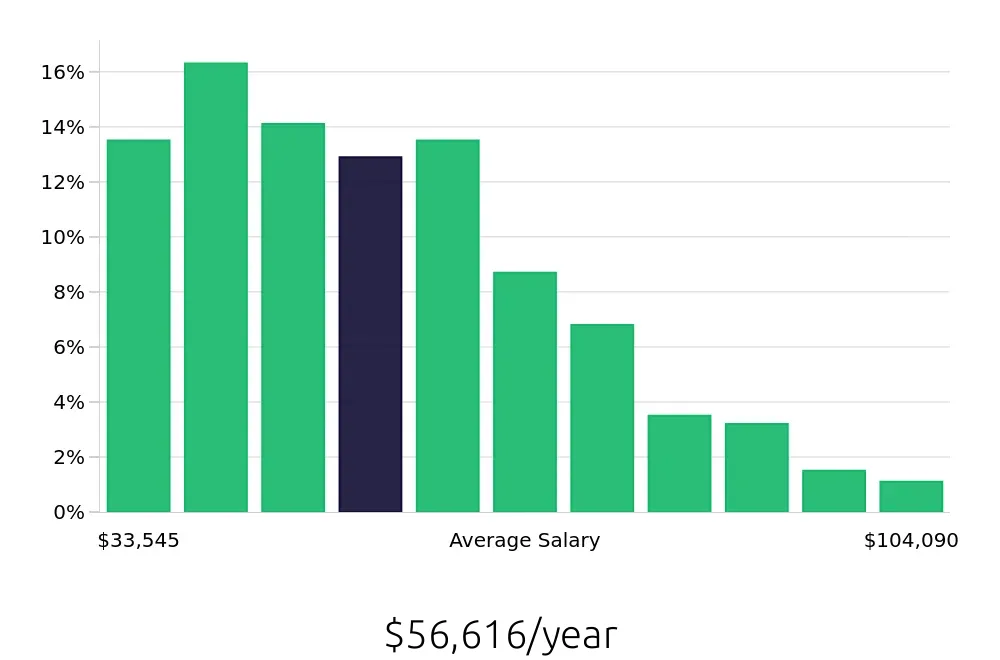
On average, purchasing agents enjoy a competitive salary. The BLS reports an annual compensation of $77,850 and an hourly rate of $37.43. These figures highlight the value companies place on effective purchasing agents, making this a financially rewarding career choice. A career in purchasing offers not only a stable job outlook but also the potential for good earnings. This combination makes it an attractive option for job seekers looking to balance stability with financial rewards.
The purchasing field offers many opportunities for career growth and specialization. Purchasing agents can focus on specific industries, such as manufacturing or retail, which often lead to higher demand and better compensation. Staying updated with industry trends and continuously improving skills can help job seekers advance in their careers. The BLS data shows that with dedication and the right qualifications, purchasing agents can secure a promising future in a growing industry.
Currently 393 Purchasing Agent job openings, nationwide.
Continue to Salaries for Purchasing Agent