What does a Quality Assurance Coordinator do?
A Quality Assurance Coordinator ensures that products or services meet the company's standards. This role involves inspecting, testing, and analyzing items before they reach customers. They identify any defects or issues and work with the production team to fix them. The coordinator plays a crucial role in maintaining the company’s reputation for quality.
The coordinator often creates and updates quality control procedures. They train other staff on these procedures. They also gather data and report on quality performance. This helps the company improve its processes. They work closely with various departments, including production, management, and customer service. Their goal is to ensure everything runs smoothly and meets the highest quality standards.
How to become a Quality Assurance Coordinator?
Becoming a Quality Assurance Coordinator can open up many career opportunities in various industries. This role involves ensuring that products or services meet quality standards. To embark on this career path, one must follow specific steps to gain the necessary skills and experience.
The journey to becoming a Quality Assurance Coordinator typically involves these steps:
- Acquire relevant education. Obtain a high school diploma or equivalent. Further education in areas like business, engineering, or computer science can be beneficial.
- Gain industry experience. Work in roles that involve quality control or assurance. This could be in manufacturing, IT, or any service-based industry.
- Develop key skills. Focus on skills such as attention to detail, problem-solving, and analytical thinking. Proficiency in quality assurance tools and software is also important.
- Obtain certifications. Consider certifications such as Certified Quality Auditor (CQA) or Certified Quality Engineer (CQE) to enhance your credentials.
- Apply for positions. Use your education, experience, and certifications to apply for Quality Assurance Coordinator roles. Tailor your resume and cover letter to highlight relevant skills and experiences.
Starting as an intern or in an entry-level position can provide valuable hands-on experience. Networking and seeking mentorship from experienced professionals in the field can also be highly beneficial. With dedication and the right qualifications, one can successfully become a Quality Assurance Coordinator and contribute to maintaining high standards in any organization.
How long does it take to become a Quality Assurance Coordinator?
To become a Quality Assurance Coordinator, consider a mix of education and experience. Most employers look for a bachelor’s degree in a related field, such as business, computer science, or engineering. These programs usually take four years. Many colleges also offer specialized courses in quality assurance.
Alongside a degree, gaining experience helps. You can start with entry-level positions in quality control. Working in these roles builds valuable skills. Some workers may start as interns or assistants. They learn about product testing and inspection. Over time, experience leads to promotions. On average, it takes about three to five years to gain the necessary experience. This combination of education and work experience creates a solid foundation for a career in quality assurance.
Quality Assurance Coordinator Job Description Sample
The Quality Assurance Coordinator is responsible for ensuring that all products and services meet the required quality standards and regulatory requirements. This role involves developing, implementing, and maintaining quality assurance programs and processes to enhance the quality and reliability of our offerings.
Responsibilities:
- Develop and implement quality assurance policies, procedures, and standards.
- Conduct regular quality audits and inspections to ensure compliance with quality standards and regulatory requirements.
- Collaborate with cross-functional teams to identify and resolve quality issues and improve processes.
- Analyze quality data and metrics to identify trends and areas for improvement.
- Prepare and maintain quality assurance documentation, reports, and records.
Qualifications
- Bachelor’s degree in Quality Management, Engineering, Business Administration, or a related field.
- Proven experience in a quality assurance or quality control role.
- Strong knowledge of quality assurance principles, methodologies, and standards.
- Proficiency in quality management systems and tools.
- Excellent analytical, problem-solving, and decision-making skills.
Is becoming a Quality Assurance Coordinator a good career path?
A Quality Assurance Coordinator plays a crucial role in ensuring products meet the highest standards before reaching customers. This professional works closely with production teams to identify potential issues and ensure processes run smoothly. They often conduct tests and audits to maintain quality standards. This job can be found in various industries, including manufacturing, food production, and software development.
This role has many benefits and a few challenges. Let’s explore some of the pros and cons.
- Pros:
- Great for those who enjoy problem-solving and detail-oriented work.
- Provides opportunities to work in diverse industries.
- Helps improve processes and product quality, impacting customer satisfaction.
- Cons:
- Can be repetitive and require long hours, especially during audits or product testing.
- Requires knowledge of industry standards and compliance regulations.
- May involve working in various environments, some of which can be challenging.
What is the job outlook for a Quality Assurance Coordinator?
Quality Assurance Coordinators play a vital role in ensuring products and services meet high standards. This career path offers a stable job outlook with an average of 15,300 positions available each year. According to the Bureau of Labor Statistics (BLS), the number of openings is expected to increase by 1.6% from 2022 to 2032. This trend is promising for job seekers looking for growth and stability.
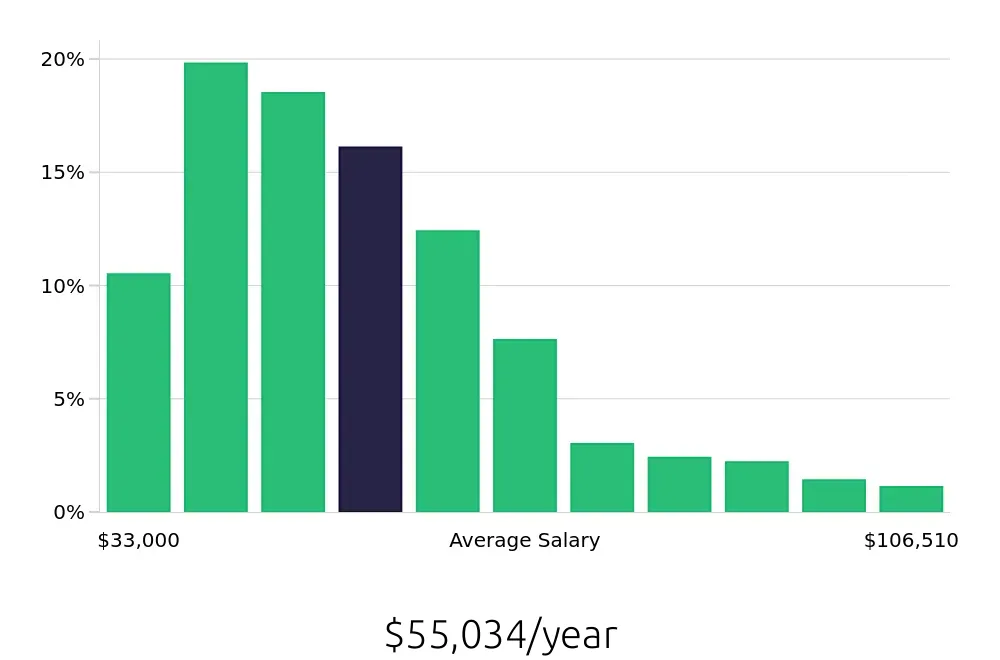
The average annual compensation for Quality Assurance Coordinators stands at $125,900, indicating a rewarding salary. Additionally, the average hourly rate is $60.53, reflecting the value placed on these professionals. This compensation is competitive and often includes benefits such as health insurance and retirement plans. With these figures, job seekers can expect to find attractive financial rewards in this field.
Career opportunities for Quality Assurance Coordinators are abundant across various industries, including manufacturing, healthcare, and technology. Employers value these professionals for their attention to detail and commitment to quality. Those interested in this role should consider pursuing relevant certifications and gaining experience through internships or entry-level positions to enhance their job prospects.
Currently 173 Quality Assurance Coordinator job openings, nationwide.
Continue to Salaries for Quality Assurance Coordinator