Position
Overview

What does a Quality Assurance Manager do?

A Quality Assurance Manager oversees the quality control processes in a company. This position ensures that products and services meet high standards. The manager develops and implements quality policies and procedures. They also conduct audits and inspections to find areas for improvement. This role involves training staff on quality standards and best practices.

Quality Assurance Managers work closely with other departments. They collaborate with production, engineering, and customer service teams. The manager analyzes data to identify trends and potential issues. They then develop action plans to address these issues. The goal is to improve overall quality and customer satisfaction. This position requires strong communication and leadership skills. It also needs attention to detail and problem-solving abilities.

View Quality Assurance Manager jobs nearby

How to become a Quality Assurance Manager?

Becoming a Quality Assurance Manager requires dedication and strategic planning. This role involves ensuring that products or services meet quality standards. It is a crucial position that demands both technical and leadership skills. Follow these steps to pursue a career in Quality Assurance Management.

First, build a strong foundation in quality assurance. Start with an education in a relevant field such as engineering, computer science, or business. Many employers prefer candidates with a bachelor’s degree. Gaining experience in quality assurance through internships or entry-level positions will also be beneficial.

  1. Gain Experience: Work in roles that involve quality control and assurance. This experience helps to understand the processes and standards needed in the field.
  2. Develop Skills: Focus on developing key skills such as attention to detail, problem-solving, and knowledge of quality management systems. Strong communication and leadership skills are also important.
  3. Get Certified: Consider certifications like Certified Quality Engineer (CQE) or Six Sigma to enhance credibility. These certifications show a commitment to professional growth.
  4. Network: Connect with professionals in the industry. Attend conferences, join professional organizations, and participate in online forums. Networking can open doors to job opportunities.
  5. Seek Advancement: Look for opportunities to move into management roles. Start in a quality assurance specialist position and work towards a managerial role. Showcase your ability to lead teams and manage projects effectively.

How long does it take to become a Quality Assurance Manager?

Pursuing a role as a Quality Assurance Manager generally takes a few years. Many start with a relevant bachelor's degree, often in business or engineering. They gain experience in quality control or a related field, which may take two to five years. Some may need extra training or certifications to advance. Quality Assurance Managers often work their way up through the ranks. They start in entry-level positions, learning the basics of quality control. With time and dedication, they can move to senior roles. Most people find success after several years of hands-on experience and ongoing education. This career path rewards commitment and skill development.

The path to becoming a Quality Assurance Manager involves a combination of education, experience, and skill development. Many professionals start with a bachelor’s degree in a related field such as engineering, business, or computer science. This educational foundation typically takes about four years to complete.

After obtaining a degree, gaining practical experience is essential. Most individuals enter the workforce with an entry-level position in quality assurance or a related field. This experience helps to build necessary skills and understanding of quality standards. This phase can last from two to five years, depending on the job and industry. Advancing to a managerial role often requires a few more years of experience, usually ranging from three to seven years in total. Throughout this time, individuals hone skills in process improvement, team leadership, and compliance with industry regulations.

Professionals aiming to become Quality Assurance Managers can benefit from certifications and continued education. Certifications such as Certified Quality Auditor (CQA) or Six Sigma can enhance credentials and open new opportunities. Continued learning through workshops, seminars, and advanced courses can also contribute to a successful career in quality assurance management.

Quality Assurance Manager Job Description Sample

The Quality Assurance Manager will be responsible for ensuring that products and services meet our company's quality standards. This role involves leading a team of quality assurance professionals, developing and implementing quality assurance processes, and working closely with other departments to improve quality across the organization.

Responsibilities:

  • Develop and implement quality assurance policies and procedures.
  • Lead and mentor a team of quality assurance professionals.
  • Conduct regular quality audits and inspections to ensure compliance with quality standards.
  • Collaborate with cross-functional teams to identify and resolve quality issues.
  • Create and maintain quality assurance documentation.

Qualifications

  • Bachelor's degree in Quality Assurance, Engineering, Business Administration, or a related field.
  • Minimum of 5 years of experience in quality assurance or a related field.
  • Proven leadership experience with a demonstrated ability to manage and motivate a team.
  • Strong knowledge of quality assurance principles, practices, and methodologies.
  • Excellent analytical, problem-solving, and decision-making skills.

Is becoming a Quality Assurance Manager a good career path?

A Quality Assurance Manager plays a crucial role in any organization, ensuring products or services meet high standards. This role involves overseeing quality control, developing policies, and working with teams to improve processes. It requires a mix of technical skills and leadership abilities. The role offers both rewarding and challenging aspects for those who pursue it.

Those interested in this career can find it both fulfilling and demanding. It allows for making a real difference in product quality. Managers also have the chance to shape company policies and improve overall operations. However, it can be a high-pressure job, requiring attention to detail and sometimes working long hours. The role demands strong communication skills and the ability to handle complex problem-solving.

Here are some pros and cons to consider for a career in Quality Assurance Management:

  • Pros:
  • Opportunity to improve product quality and customer satisfaction.
  • Chance to work across various departments and teams.
  • Possibility to influence company policies and processes.
  • Cons:
  • High-pressure environment with tight deadlines.
  • Requires strong attention to detail and a meticulous approach.
  • Can involve long hours, especially during critical product launches.

What is the job outlook for a Quality Assurance Manager?

Job seekers aiming for a role as a Quality Assurance Manager can look forward to a stable and growing job market. The Bureau of Labor Statistics (BLS) reports an average of 3,000 job positions opening each year, signaling a consistent demand for this role. With a projected job opening percent change of 6.0% from 2022 to 2032, the outlook remains positive. This growth suggests more opportunities for professionals entering the field or looking to switch careers.

Professionals in this role can also expect competitive compensation. The BLS data reveals an average national annual salary of $82,930. Additionally, hourly wages average around $39.87, reflecting the value placed on quality assurance in various industries. These figures provide a clear picture of what to expect financially, making this career path both attractive and rewarding. Job seekers will find that their skills in quality assurance are highly sought after, with good prospects for career advancement.

The demand for Quality Assurance Managers spans multiple sectors, including manufacturing, software development, and healthcare. This broad appeal ensures that qualified candidates have numerous options to choose from. With the growth in technology and increasing emphasis on quality control, professionals can anticipate a vibrant job market. Those with the right qualifications and experience will find themselves well-positioned for a successful career in quality assurance.

Currently 234 Quality Assurance Manager job openings, nationwide.

Continue to Salaries for Quality Assurance Manager

Learn about Quality Assurance Manager salaries, top-paying cities, and hiring companies. See how much you could earn!
Position
Salary
Salaries For Quality Assurance Manager
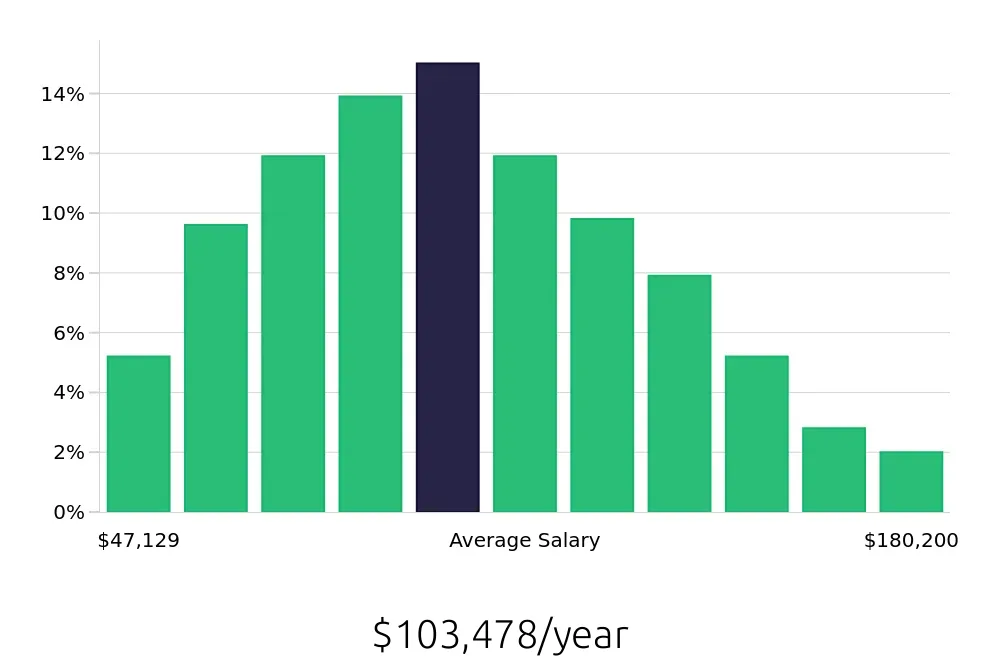
Averge salary $99,236 per year
Graph depicting the yearly salary distribution for Quality Assurance Manager positions, showing an average salary of $99,236 with varying distribution percentages across salary ranges.