What does a Quality Assurance Representative do?
A Quality Assurance Representative plays a critical role in ensuring that products or services meet set standards. This person examines products and processes to find any flaws or areas for improvement. They work closely with different teams to identify issues and suggest ways to fix them. The goal is to maintain high-quality standards and improve customer satisfaction.
Typical duties include conducting regular inspections, documenting findings, and collaborating with production and management teams. This role requires attention to detail and strong problem-solving skills. A Quality Assurance Representative helps to ensure that the final product meets all necessary requirements and expectations. They work to prevent defects and improve overall quality, contributing to the success of the company.
How to become a Quality Assurance Representative?
Becoming a Quality Assurance Representative involves a series of clear steps. This role is key for ensuring that products meet certain standards. It requires attention to detail and a commitment to quality. Here is a straightforward guide to help achieve this career.
The first step is to obtain the right education. Most companies look for candidates with a high school diploma. Some may require a college degree in a relevant field such as engineering or computer science. Additional courses in quality control or similar subjects can also be beneficial.
- Get the Right Education: Start with a high school diploma. Consider a degree in engineering or computer science. Courses in quality control can be a bonus.
- Gain Experience: Look for internships or entry-level jobs in quality assurance. This will provide hands-on experience. It will also help build a strong resume.
- Learn Key Skills: Develop skills in data analysis and problem-solving. Learn to use quality assurance tools and software. Strong communication skills are also important.
- Get Certified: Consider certifications such as Certified Quality Auditor (CQA) or Certified Quality Inspector (CQI). These can make your resume stand out.
- Apply for Jobs: Search for job openings in your area. Tailor your resume and cover letter to each position. Highlight your skills and experience in quality assurance.
Quality Assurance Representatives must be detail-oriented and dedicated to maintaining high standards. With the right education, experience, and certifications, anyone can succeed in this field.
How long does it take to become a Quality Assurance Representative?
Getting into the field of Quality Assurance requires time and dedication. The length of time needed can depend on several factors. These factors include your background, the type of training you seek, and the specific job requirements.
For those starting with little to no experience, the path often begins with a high school diploma or GED. Many employers prefer candidates with some college education. Some may also value specific degrees, such as in business, engineering, or computer science. Formal education can take two to four years. Most QA roles may require additional training, which can add a few months to a year. Certifications, such as Certified Quality Auditor (CQA) or Certified Quality Engineer (CQE), can boost your credentials. They usually take a few months to complete.
Experience also plays a vital role. Fresh graduates might start as entry-level QA technicians and work their way up. Others may enter as more experienced professionals. This could happen if they have transferable skills from a similar role. Gaining the necessary experience can take anywhere from a few months to several years, depending on your starting point and the industry you enter.
Quality Assurance Representative Job Description Sample
The Quality Assurance Representative is responsible for ensuring the highest standards of product quality and customer satisfaction. They work closely with cross-functional teams to identify, evaluate, and implement quality improvement initiatives. This role requires a keen eye for detail, strong analytical skills, and the ability to maintain a high level of accuracy in all tasks.
Responsibilities:
- Conduct thorough inspections and testing of products to ensure they meet established quality standards and specifications.
- Identify and document quality issues, and collaborate with production and engineering teams to resolve them.
- Develop and maintain quality assurance protocols and procedures to ensure compliance with regulatory and company standards.
- Participate in the development and implementation of quality improvement initiatives.
- Maintain accurate and detailed records of quality assurance activities, including test results and corrective actions taken.
Qualifications
- Bachelor’s degree in Quality Management, Engineering, or a related field.
- Minimum of 3-5 years of experience in a quality assurance role, preferably in a manufacturing or production environment.
- Strong knowledge of quality assurance principles, methodologies, and best practices.
- Excellent analytical and problem-solving skills.
- Strong attention to detail and a commitment to maintaining the highest standards of quality.
Is becoming a Quality Assurance Representative a good career path?
A Quality Assurance Representative plays a crucial role in ensuring products meet specific standards. This role involves testing products and processes to find any issues. The aim is to help companies improve quality and customer satisfaction. These representatives often work in manufacturing, food and beverage, or technology sectors.
This career offers several benefits. For instance, it provides job stability and the chance to make a real difference in product quality. Also, it often includes opportunities for professional growth and specialization in various industries. However, it is important to consider some challenges. The role can be repetitive and require attention to detail. Also, it may involve working in environments with strict safety protocols. Understanding these pros and cons can help job seekers make informed decisions about pursuing this career.
To break it down:
- Pros:
- Job stability
- Opportunities for growth
- Impact on product quality
- Cons:
- Repetitive tasks
- Attention to detail required
- Strict safety protocols
What is the job outlook for a Quality Assurance Representative?
Job seekers looking to enter the Quality Assurance field can find promising opportunities as Quality Assurance Representatives. According to the Bureau of Labor Statistics (BLS), there are about 31,000 job positions available each year. This steady demand makes it an attractive career choice. A stable job market means candidates can look forward to consistent hiring trends.
The BLS projects a 4.6% increase in job openings for Quality Assurance Representatives from 2022 to 2032. This growth is higher than many other occupations, which highlights the ongoing need for skilled professionals in this field. Job seekers can expect to find plenty of openings in various industries, including manufacturing, technology, and healthcare. This growth offers a good chance for career advancement and job stability.
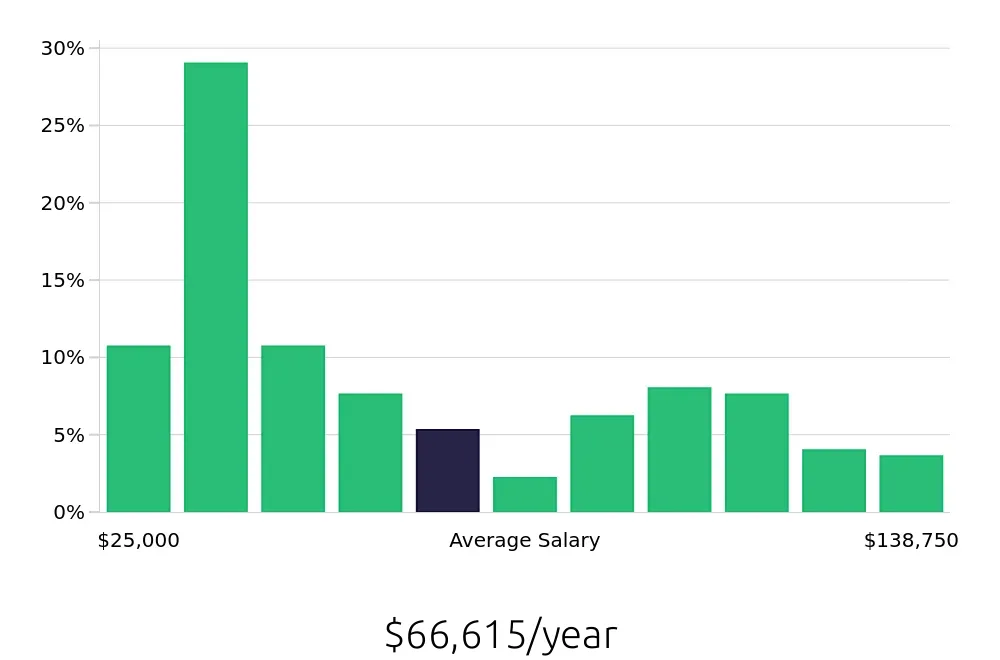
Quality Assurance Representatives enjoy a competitive salary, with an average annual compensation of $80,190, according to the BLS. On an hourly basis, the average compensation stands at $38.55, which reflects the skill and expertise needed for this role. These figures provide a clear picture of the financial rewards that come with this career. Job seekers can expect a rewarding experience both professionally and financially.
Currently 27 Quality Assurance Representative job openings, nationwide.
Continue to Salaries for Quality Assurance Representative