What does a Radiology Assistant do?
A Radiology Assistant plays an important role in the medical field. They work closely with radiologists to ensure that imaging tests are conducted properly. These tests include X-rays, MRIs, and CT scans. Radiology Assistants prepare patients for their procedures. They explain the process and help put patients at ease.
Radiology Assistants also manage the technical equipment. They ensure that it is working correctly before and during the imaging tests. They handle and process images, making sure they are clear and of high quality. This helps radiologists make accurate diagnoses. They also assist in scheduling appointments and handling paperwork. By doing so, they help keep the radiology department running smoothly.
The role of a Radiology Assistant is key to providing excellent patient care. They work in a fast-paced environment and must pay close attention to detail. This position offers opportunities to learn and grow in the medical field.
How to become a Radiology Assistant?
Becoming a Radiology Assistant is a rewarding path for those interested in healthcare. This role involves working closely with radiologists to help with imaging procedures. Following a clear process can guide someone toward this career. Here are the steps to become a Radiology Assistant.
First, obtaining the right education is essential. Most Radiology Assistants have a high school diploma or equivalent. Some employers prefer a post-secondary certificate or an associate’s degree in radiologic technology. These programs provide necessary training and skills.
- Earn a High School Diploma: Start with a high school diploma or GED. This is the basic requirement for entering the field.
- Complete a Radiologic Technology Program: Enroll in a program accredited by the Joint Review Committee on Education in Radiologic Technology (JRCERT). These programs typically take one to two years.
- Get Certified: After completing the program, pass the certification exam. The American Registry of Radiologic Technologists (ARRT) offers the certification.
- Gain Experience: Work in a hospital or clinic to gain practical experience. This helps in understanding the job better.
- Continue Education: Stay updated with the latest in radiology by taking continuing education courses. This ensures skills remain current.
How long does it take to become a Radiology Assistant?
Interested in a career as a Radiology Assistant? This path leads to a rewarding job with a clear timeline. Most start with a certificate or associate’s degree in radiologic technology. These programs usually last between one to two years. Some choose to further their education with a bachelor's degree, which adds another two years.
Upon completing the necessary education, Radiology Assistants must pass a certification exam. This exam assesses their knowledge and skills in radiologic procedures. Passing this exam is crucial to securing a job. Typically, this whole process takes about two to four years. The exact time depends on the individual’s chosen path and dedication to their studies.
Radiology Assistant Job Description Sample
We are seeking a highly skilled and dedicated Radiology Assistant to join our team. In this role, you will support radiologists and other healthcare professionals in providing quality patient care. You will be responsible for preparing patients for imaging procedures, operating diagnostic equipment, and ensuring the accuracy and quality of imaging results.
Responsibilities:
- Assist radiologists in performing imaging procedures such as X-rays, CT scans, MRIs, and ultrasounds.
- Prepare patients for imaging procedures by explaining the process and answering any questions.
- Position patients correctly to obtain optimal imaging results.
- Operate imaging equipment and ensure it is functioning properly.
- Monitor patients during imaging procedures to ensure their safety and comfort.
Qualifications
- High school diploma or equivalent required; associate’s or bachelor’s degree in radiologic technology preferred.
- Certification from an accredited radiology program or equivalent experience.
- State licensure or registration as a Radiologic Technologist (RT) if required.
- Strong knowledge of radiology equipment and imaging procedures.
- Excellent communication and interpersonal skills.
Is becoming a Radiology Assistant a good career path?
Radiology Assistants play a crucial role in the medical field. They help radiologists with patient care and imaging tasks. This role offers a mix of medical expertise and technical skills. It allows for a hands-on approach in a healthcare setting. Radiology Assistants often work in hospitals, clinics, or specialized imaging centers.
Becoming a Radiology Assistant has its own set of benefits and challenges. Below are some pros and cons to consider when thinking about this career path.
- Pros:
- Job Stability: The demand for medical imaging is growing. This can lead to stable employment opportunities.
- Collaborative Work: Radiology Assistants work closely with radiologists and other healthcare professionals. This can create a team-oriented work environment.
- Skill Development: The role allows for continuous learning. Assistants gain experience in various imaging technologies and patient care techniques.
- Cons:
- Physical Demands: The job can be physically demanding. Assistants may spend long hours on their feet and lift patients.
- Emotional Stress: Working with patients in a medical setting can be emotionally challenging. Assistants need to be prepared for stressful situations.
- Limited Career Progression: Advancement opportunities can be limited. Career growth may require additional education or certifications.
What is the job outlook for a Radiology Assistant?
Job seekers looking to enter the healthcare field may find a promising career in radiology. Radiology Assistants support radiologists by preparing patients for imaging procedures and handling the technical aspects of the tests. This role is crucial in a healthcare setting and offers stability and growth opportunities.
The job outlook for Radiology Assistants looks positive. The Bureau of Labor Statistics (BLS) reports that about 26,300 new positions will open each year. The BLS also predicts a 6.9% increase in job openings from 2022 to 2032. This steady growth suggests that there will be plenty of opportunities for those who enter this field.
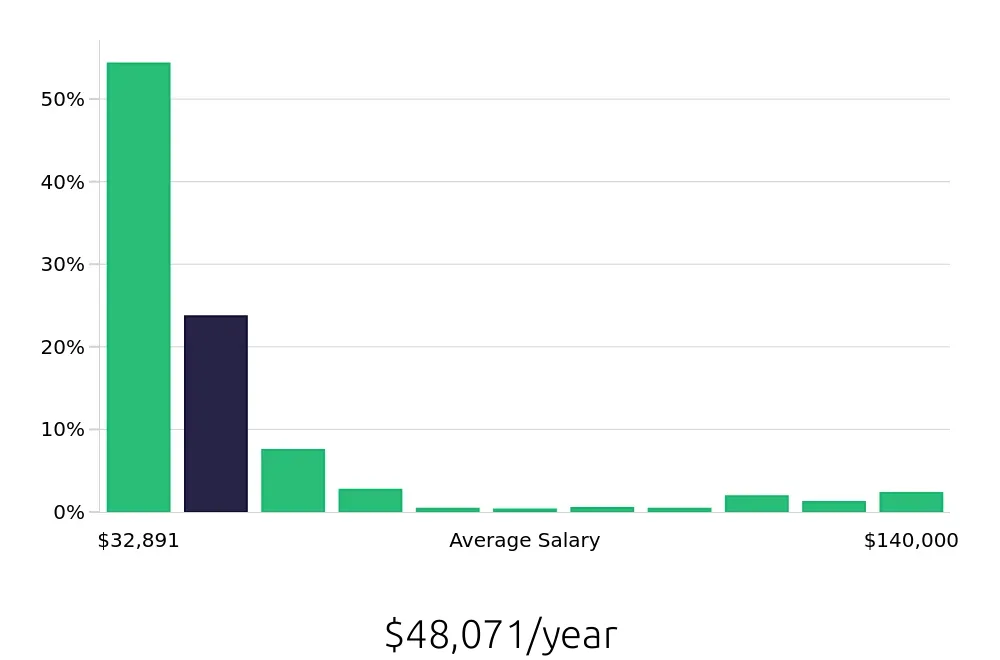
Radiology Assistants can expect to earn a competitive salary. According to the BLS, the average national annual compensation is $79,710. This translates to about $38.32 per hour. These figures indicate that this career can offer both job security and a good income.
Currently 356 Radiology Assistant job openings, nationwide.
Continue to Salaries for Radiology Assistant