What does a Real Estate Attorney do?
A Real Estate Attorney specializes in legal matters related to property. They help clients buy, sell, and manage property. This includes handling contracts, deeds, and titles. They ensure all paperwork is correct and legal. This helps prevent future legal issues.
Real Estate Attorneys also assist with zoning laws and land use regulations. They may help resolve disputes between neighbors or tenants. They work to protect their clients' interests. This includes making sure all property transactions are fair and legal. With their knowledge, they help clients navigate the complex world of real estate law.
How to become a Real Estate Attorney?
Becoming a Real Estate Attorney involves a clear process that requires dedication and specific educational steps. This career path offers rewarding opportunities for those interested in the legal aspects of property and land. By following these steps, an individual can successfully transition into a role as a Real Estate Attorney.
Start with obtaining a bachelor's degree, ideally in a field related to law or business. This foundational education provides the necessary knowledge for future studies. Next, earn a Juris Doctor (JD) degree from an accredited law school. This degree is essential for practicing law and understanding legal principles.
- Earn a bachelor's degree.
- Complete a Juris Doctor (JD) program.
- Pass the bar exam in the state where one plans to practice.
- Gain experience in real estate law.
- Consider additional certifications or specializations.
Taking the bar exam is the next step. Passing this exam allows an individual to practice law. After passing, seek internships or entry-level positions in law firms or real estate companies. Experience in real estate law will strengthen one's resume and expertise. Finally, consider obtaining additional certifications or specializations in real estate law to enhance career prospects.
How long does it take to become a Real Estate Attorney?
Interest in real estate law can lead to a rewarding career. Most people who want to work in this field wonder about the time needed for training and qualifications. Generally, it takes about seven years to become a real estate attorney. This includes four years of college, three years of law school, and additional time for bar exam preparation and passing. Each step plays a crucial role in building the knowledge and skills needed for this profession.
First, a person needs to complete an undergraduate degree. Typically, this takes four years. Subjects such as political science, economics, or business can be helpful. Next, one must pass the Law School Admission Test (LSAT). Admission to law school depends on this test score. Law school takes three years to complete. During these years, students study legal principles, ethics, and other areas important for the law. After law school, they must take and pass the bar exam in their state. This exam tests their understanding of law and their readiness to practice. Passing the bar exam is necessary to become a licensed attorney. After passing the exam, they can begin working as a real estate attorney.
Real Estate Attorney Job Description Sample
We are seeking a skilled Real Estate Attorney to join our legal team. The ideal candidate will have extensive experience in real estate law, with a strong focus on property transactions, leasing, and development. The successful candidate will be responsible for providing legal advice, drafting and reviewing contracts, and representing clients in real estate transactions.
Responsibilities:
- Provide legal advice on real estate transactions, including purchases, sales, leases, and financing.
- Draft and review real estate contracts, including purchase agreements, leases, and deeds.
- Conduct due diligence on real estate transactions, including title searches and property inspections.
- Represent clients in negotiations and closings, and prepare legal documents related to real estate transactions.
- Advise clients on real estate-related matters, such as zoning, land use, and environmental regulations.
Qualifications
- Juris Doctor (JD) degree from an accredited law school.
- Admission to the state bar in good standing.
- Minimum of 5 years of experience in real estate law.
- Strong knowledge of real estate transactions, including purchases, sales, leases, and financing.
- Excellent written and verbal communication skills.
Is becoming a Real Estate Attorney a good career path?
A career as a Real Estate Attorney involves legal work focused on property matters. This includes buying, selling, and managing land and buildings. Attorneys help clients with contracts, zoning laws, and property disputes. They ensure transactions follow the law and protect clients' rights.
Working as a Real Estate Attorney has many benefits. First, it offers job stability. Real estate deals keep happening, so there is always work. Second, attorneys can earn a good salary. Experienced lawyers often earn a high income. Third, it allows for specialization. Attorneys can focus on areas like commercial real estate or residential property. This makes the work interesting and focused.
However, there are some challenges to consider. First, the job can be stressful. Attorneys must meet deadlines and handle client concerns. Second, the work involves a lot of paperwork. Real estate deals require detailed legal documents. Third, it can be competitive. Many lawyers compete for clients, which means working hard to stand out.
Here are some pros and cons to think about:
- Pros:
- Job stability
- Good earning potential
- Opportunities for specialization
- Cons:
- Stressful deadlines
- Lots of paperwork
- High competition
What is the job outlook for a Real Estate Attorney?
A career as a Real Estate Attorney offers solid job prospects. The Bureau of Labor Statistics (BLS) reports an average of 51,600 job positions per year. This consistent demand makes it a reliable field for job seekers. The job openings are expected to see a modest 3.3% change from 2022 to 2032, which is a positive sign for stability and growth.
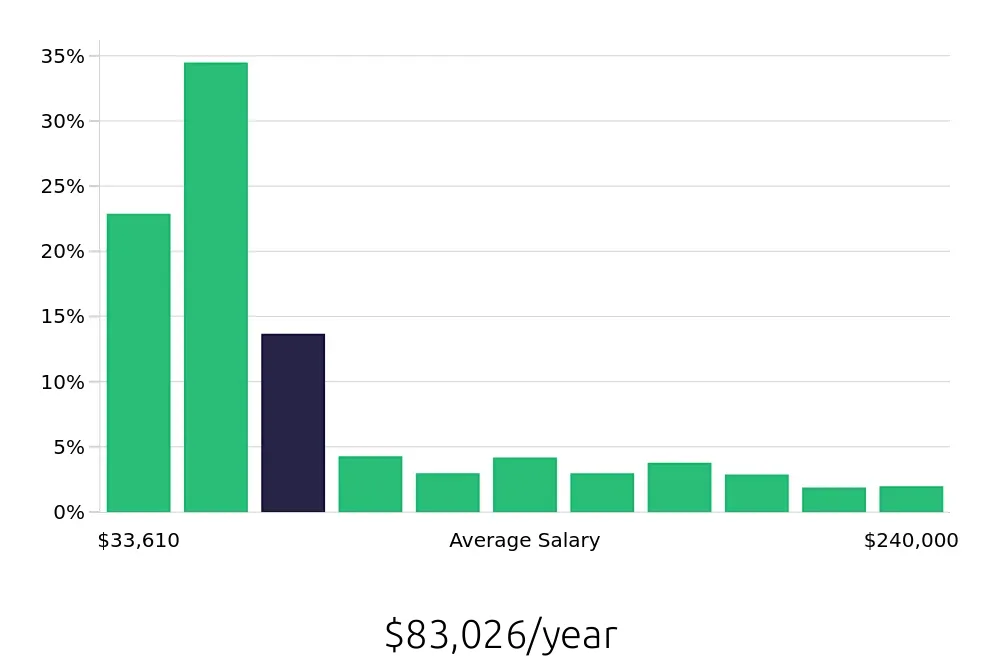
Real Estate Attorneys enjoy competitive compensation. According to the BLS, the average national annual salary stands at $73,010. This figure reflects a rewarding career choice for those with legal expertise. Additionally, the average hourly rate is $35.10, making it a lucrative field to enter. These figures highlight the financial benefits of pursuing this career path.
The role of a Real Estate Attorney involves managing property transactions and legal issues related to real estate. This includes handling deeds, mortgages, and property rights. With the consistent job openings and strong compensation, this career offers both professional growth and financial stability. Job seekers interested in the legal aspects of real estate should find this a promising opportunity.
Currently 435 Real Estate Attorney job openings, nationwide.
Continue to Salaries for Real Estate Attorney