What does a Receptionist do?
A Receptionist plays a vital role in the smooth operation of an office. They greet visitors and answer phone calls. They often manage the front desk, ensuring that the reception area is welcoming and organized. A Receptionist schedules appointments, handles mail, and provides administrative support. They help to maintain a professional environment by ensuring that everyone who enters the office is treated with courtesy and respect.
To be successful in this role, a Receptionist must be detail-oriented and excellent at multitasking. They need to have strong communication skills, both verbal and written. Attention to detail is crucial for managing schedules and keeping records accurate. The ability to stay calm under pressure and handle unexpected situations is also important. A Receptionist often serves as the first point of contact for clients and visitors, making a positive impression critical to the overall success of the office.
- Greeting visitors and clients
- Answering phone calls
- Managing front desk activities
- Scheduling appointments
- Handling mail and correspondence
- Providing administrative support
How to become a Receptionist?
Becoming a receptionist can be a fulfilling career choice. This role involves greeting visitors, answering phone calls, and managing administrative tasks. Here is a clear path to start this career. Follow these steps to begin your journey in this field.
Follow these steps to become a receptionist. Each step will help you get closer to your goal. By completing these steps, you can gain the skills and experience needed for this role.
- Get a high school diploma or GED: Start with the basics. A high school diploma or GED is the first step. This shows you have a good understanding of basic skills.
- Learn basic computer skills: Learn how to use computers. Skills in word processing, spreadsheets, and email are important. This will help you with office tasks.
- Take a receptionist course: Consider taking a course. These courses teach office skills and customer service. They also cover scheduling and filing.
- Gain experience: Look for part-time jobs or internships. This will help you gain real-world experience. It also shows employers you have practical skills.
- Apply for receptionist jobs: Use your skills and experience to apply for jobs. Prepare a resume and cover letter. Highlight your skills and experience. Look for jobs in offices, hotels, or healthcare facilities.
How long does it take to become a Receptionist?
Starting a career as a receptionist can be a rewarding path for those interested in customer service and administrative work. The time it takes to become a receptionist varies depending on the path one chooses. Most people can start working as a receptionist with a high school diploma and on-the-job training. This path often takes about one to two years. Companies may prefer candidates who have completed a postsecondary program in office administration or a related field. These programs typically last from six months to one year.
Professionals may find that additional training or certifications help them advance their careers. Many receptionists choose to earn certifications in customer service or office management. These can take an additional few months to complete. Some receptionists advance to roles with more responsibility by gaining experience and completing further education. This process can take several years, but it offers the potential for career growth and higher pay.
Receptionist Job Description Sample
We are seeking a highly organized and personable Receptionist to join our team. The ideal candidate will be the first point of contact for our clients and employees, ensuring a warm and welcoming atmosphere. The Receptionist will handle various administrative tasks and support the smooth operation of our office.
Responsibilities:
- Greet visitors, clients, and employees warmly upon arrival.
- Answer, screen, and forward incoming calls to the appropriate personnel.
- Manage and update the appointment calendar for staff and clients.
- Handle incoming and outgoing mail and packages.
- Maintain office supplies inventory and place orders as necessary.
Qualifications
- High school diploma or equivalent required; additional education or training in office administration is a plus.
- Previous experience in a receptionist or administrative support role preferred.
- Excellent communication skills, both verbal and written.
- Strong organizational and multitasking abilities.
- Proficiency in Microsoft Office Suite and familiarity with office equipment.
Is becoming a Receptionist a good career path?
A Receptionist plays a key role in the front-line operations of an organization. They greet visitors, answer phones, and manage administrative tasks. This job often serves as a gateway to other career opportunities within the company. A Receptionist can often transition into roles like office manager or administrative assistant, offering a pathway for career advancement.
Working as a Receptionist has several benefits. First, it provides a chance to develop excellent communication skills. This job demands clear and effective communication, both verbal and written. It also offers opportunities to build a network within the company, as a Receptionist interacts with many different people. Additionally, this role can lead to a structured work environment, with set hours and clear expectations.
However, there are some challenges to consider. The job can be repetitive, focusing mainly on greeting guests and managing phone calls. This role may also involve working in high-pressure situations, especially in larger organizations. It is important to note that job growth in this field is limited, as many organizations are moving towards digital solutions for reception duties.
Below are some pros and cons to help weigh the options:
- Pros:
- Opportunity to develop communication skills
- Potential for career advancement within the company
- Structured work environment
- Cons:
- Potential for repetitive tasks
- High-pressure situations
- Limited job growth
What is the job outlook for a Receptionist?
The job outlook for Receptionists shows promising stability and growth. According to the Bureau of Labor Statistics (BLS), around 142,600 job positions become available each year. This number highlights the continuous demand for Receptionists in various industries. The BLS also projects a 0.4% change in job openings from 2022 to 2032, indicating a steady and reliable career path for those in this role.
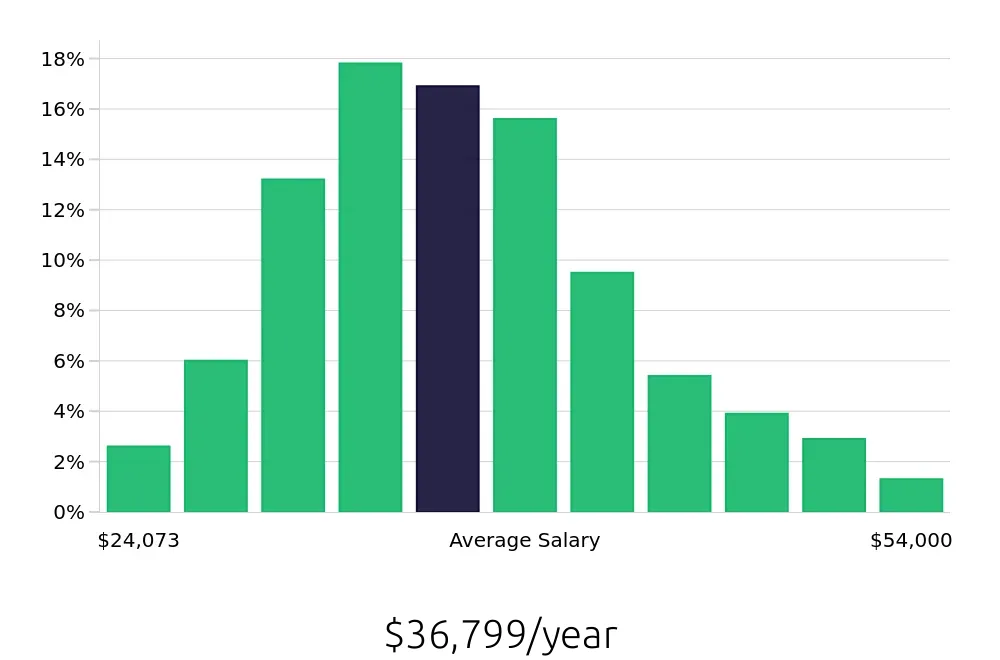
Receptionists can expect a competitive average national annual compensation of $36,590, according to the BLS. This figure reflects the value placed on the role within the industry. On an hourly basis, the average compensation stands at $17.59, offering a good earning potential for those entering or working in this field. These compensation statistics make Receptionist positions attractive for individuals seeking stable and rewarding employment.
Job seekers interested in becoming a Receptionist can look forward to a role that combines customer service and administrative skills. With the BLS data showing a healthy job outlook and reasonable compensation, this career path provides a solid foundation for professional growth. The combination of steady job openings and decent earnings makes Receptionist positions a great choice for those looking to enter or advance in the job market.
Currently 10,028 Receptionist job openings, nationwide.
Continue to Salaries for Receptionist