What does a Recycling Technician do?
A Recycling Technician plays a crucial role in managing and processing recyclable materials. This position focuses on ensuring that recyclable items are collected, sorted, and prepared for reuse. Recycling Technicians work in facilities that handle a variety of materials, including paper, plastic, glass, and metal. They must follow strict safety protocols to handle these materials correctly.
The typical duties of a Recycling Technician include operating machinery to separate materials, performing quality checks to ensure purity, and maintaining the cleanliness of the work environment. They also inspect incoming materials for contamination. Attention to detail and a commitment to environmental sustainability are essential for this role. Recycling Technicians work closely with other team members to optimize the recycling process and contribute to reducing waste.
How to become a Recycling Technician?
Becoming a recycling technician involves several key steps. This career helps protect the environment and can be a rewarding path for many. Here is a clear outline to guide someone through the process.
The journey starts with education and training. First, a high school diploma or GED is necessary. Next, consider enrolling in a vocational school or community college. These programs often offer courses in environmental science and waste management. Courses may cover topics like recycling processes, hazardous materials handling, and safety procedures.
- Earn a high school diploma or GED.
- Enroll in a vocational school or community college.
- Complete training programs in recycling and waste management.
- Gain hands-on experience through internships or entry-level jobs.
- Obtain any necessary certifications or licenses.
Hands-on experience is crucial. Seek internships or entry-level jobs in recycling centers or waste management companies. This experience helps build skills and networks within the industry. Working in the field provides insight into daily operations and challenges.
How long does it take to become a Recycling Technician?
Becoming a recycling technician involves specific education and training. The time it takes varies depending on the path taken. Generally, it may take a few months to a couple of years to fully qualify.
Most recycling technicians start with a high school diploma or equivalent. Some opt for additional training through community colleges or technical schools. Programs can last from several months to two years. These courses cover essential topics. They include understanding recycling processes, safety procedures, and the use of recycling equipment.
Hands-on experience also plays a big role. Many technicians begin with entry-level positions in recycling facilities. They learn on the job, gaining valuable skills. With time and dedication, technicians can advance to more specialized roles. Some may choose to earn certifications. These credentials can enhance job prospects and skills. It all adds up to a rewarding career in recycling.
Recycling Technician Job Description Sample
A Recycling Technician is responsible for operating and maintaining recycling equipment and facilities to ensure efficient and effective recycling processes. The role involves collecting, sorting, and processing recyclable materials to facilitate environmental sustainability.
Responsibilities:
- Operate and maintain recycling equipment to sort, process, and baling recyclable materials.
- Collect recyclable materials from designated areas and ensure they are correctly sorted.
- Monitor recycling processes to ensure efficiency and compliance with environmental regulations.
- Perform routine maintenance and inspections on recycling machinery and facilities.
- Collaborate with waste management teams to optimize recycling programs and processes.
Qualifications
- High school diploma or equivalent required; relevant vocational training or certification in recycling or waste management preferred.
- Proven experience as a Recycling Technician or in a similar role.
- Knowledge of recycling processes, equipment, and safety procedures.
- Ability to operate and maintain heavy machinery and equipment.
- Strong understanding of environmental regulations and sustainability practices.
Is becoming a Recycling Technician a good career path?
Working as a Recycling Technician allows individuals to contribute to environmental sustainability. This role involves sorting, processing, and managing recyclable materials. Technicians work in facilities, on collection routes, or in various industries. They ensure waste gets recycled instead of ending up in landfills. This job provides hands-on work and the satisfaction of supporting green initiatives.
There are several pros and cons to consider for this career. On the positive side, Recycling Technicians help reduce pollution and conserve natural resources. They play a crucial role in making the planet healthier. This job can offer steady employment and opportunities for advancement. The work environment can be outdoors, which is pleasant for many people.
However, there are also challenges to think about. The work can be physically demanding and may involve handling hazardous materials. Technicians might work in unpleasant conditions, such as bad weather or near waste sites. There can also be risks associated with lifting heavy items and operating machinery. Those considering this career should weigh these factors carefully.
Here are some pros and cons to consider:
- Pros:
- Helps the environment by reducing waste.
- Steady job opportunities in growing industries.
- Opportunities for career advancement.
- Hands-on work that makes a real difference.
- Cons:
- Physically demanding tasks.
- Potential exposure to hazardous materials.
- May involve unpleasant working conditions.
- Risks from heavy lifting and machinery operation.
What is the job outlook for a Recycling Technician?
The job outlook for Recycling Technicians looks promising for aspiring professionals. The Bureau of Labor Statistics (BLS) reports an average of 18,600 job positions available each year. This number reflects a stable and consistent demand for skilled individuals in this field. Job seekers can be confident that opportunities will continue to arise, offering a solid foundation for career growth and stability.
The projected job openings percent change from 2022 to 2032 is a healthy 3.2%, indicating a positive trend in the industry. This growth can be attributed to increasing awareness and importance of sustainability practices. As more businesses and municipalities prioritize recycling, the need for skilled technicians to manage these operations will grow. For job seekers, this trend means a steady increase in opportunities and the potential for career advancement.
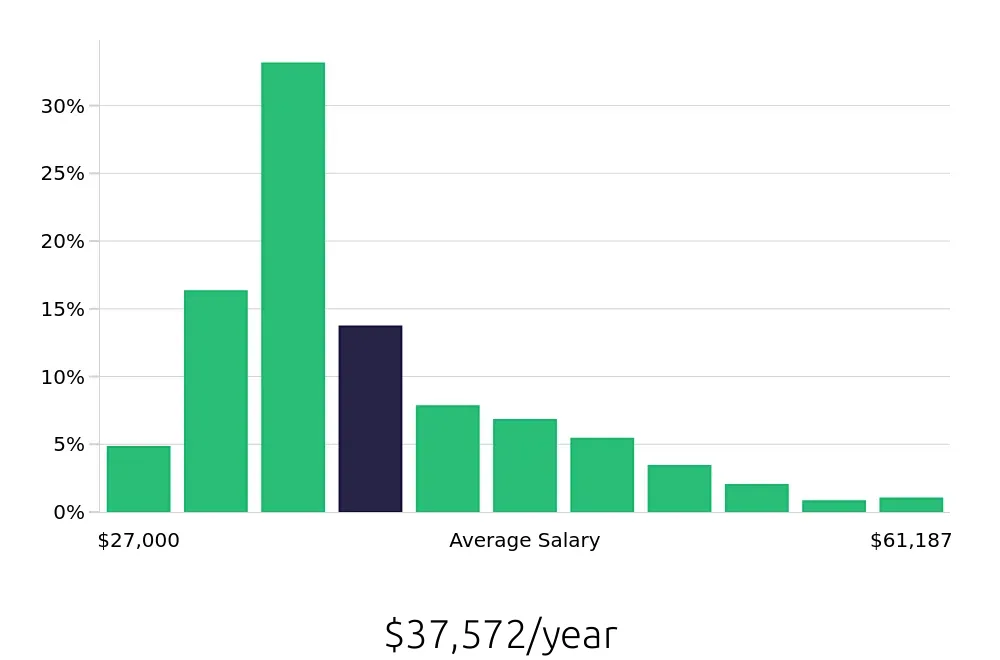
Financially, Recycling Technicians can expect a competitive compensation package. The average national annual salary stands at $47,810, with an hourly rate of $22.99. These figures provide a clear picture of the earning potential in this field. Job seekers should view these statistics as a reflection of the value and expertise required in this profession. With a strong job outlook and attractive compensation, this career path offers both stability and growth potential.
Currently 219 Recycling Technician job openings, nationwide.
Continue to Salaries for Recycling Technician