What does a Registered Behavior Technician do?
A Registered Behavior Technician (RBT) plays a key role in helping individuals with autism or other developmental challenges. They work under the supervision of Board Certified Behavior Analysts (BCBAs) to implement behavior intervention plans. These plans aim to improve communication, social skills, and daily living skills.
The RBT focuses on applying behavior analysis techniques in practical settings. This may include working one-on-one with clients in their homes, schools, or community. The goal is to create positive changes in behavior. RBTs collect data on their clients' progress. They also report their observations to the BCBA. This ensures that the treatment plans remain effective and personalized.
How to become a Registered Behavior Technician?
Becoming a Registered Behavior Technician (RBT) involves completing specific steps to gain the skills and credentials needed for this rewarding career. This path offers meaningful work and the chance to make a difference in people's lives.
The journey to becoming an RBT begins with understanding the requirements and following a clear process. Below are the essential steps to achieve RBT certification.
- Complete a 40-hour training program. This program covers important topics like ABA principles, behavior reduction, and skill acquisition.
- Pass a competency assessment. This test ensures the candidate can apply the learned skills effectively in real-world settings.
- Submit an application to the Behavior Analyst Certification Board (BACB). The application requires detailed information about the training and competency assessment.
- Complete a background check. This step is necessary to meet the safety requirements for working with clients.
- Obtain and maintain RBT certification. This involves renewing the certification every two years and completing ongoing training to stay up-to-date with best practices.
How long does it take to become a Registered Behavior Technician?
Starting a career as a Registered Behavior Technician (RBT) offers rewarding work in the behavioral health field. Many find it a fulfilling path due to the direct impact on clients. The time it takes to become an RBT depends on several factors. These include the educational path chosen and any prior experience. Typically, the process can take anywhere from a few weeks to several months.
A common route involves completing a 40-hour training program. This training covers key topics such as behavior reduction, skill acquisition, and documentation. Some training providers offer this program in an intensive, condensed format. Completing the training leads to an RBT certification. After the training, a competency assessment follows. This assessment ensures the candidate can apply the learned skills effectively. Once the competency is verified, the individual can register with the Behavior Analyst Certification Board (BACB). Registration completes the path to becoming an RBT.
Registered Behavior Technician Job Description Sample
A Registered Behavior Technician (RBT) is responsible for implementing behavior-reduction and skill-acquisition plans developed by Board Certified Behavior Analysts (BCBA) or Board Certified Assistant Behavior Analysts (BCaBA). The RBT works in various settings, such as schools, clinics, and homes, to provide direct care to individuals with autism or other developmental disabilities.
Responsibilities:
- Implement behavior-reduction and skill-acquisition plans designed by BCBAs or BCaBAs.
- Collect and record data on targeted behaviors and skill acquisition.
- Provide one-on-one instruction to individuals with autism or other developmental disabilities.
- Collaborate with BCBAs or BCaBAs to analyze data and make necessary adjustments to treatment plans.
- Communicate regularly with caregivers, teachers, and other stakeholders to ensure consistent implementation of behavior plans.
Qualifications
- High school diploma or equivalent required; bachelor’s degree in psychology, education, or a related field preferred.
- Registered Behavior Technician (RBT) certification through the Behavior Analyst Certification Board (BACB).
- Experience working with individuals with autism or other developmental disabilities is highly desirable.
- Strong understanding of behavioral principles and techniques.
- Excellent written and verbal communication skills.
Is becoming a Registered Behavior Technician a good career path?
A career as a Registered Behavior Technician (RBT) offers opportunities to make a meaningful impact on individuals with developmental disorders. RBTs work closely with Board Certified Behavior Analysts (BCBAs) to implement behavior intervention plans. This role provides hands-on experience and a chance to learn valuable skills in behavior analysis. Professionals in this field often work in various settings, including schools, clinics, and homes. They contribute to improving the quality of life for clients by helping them develop positive behaviors and reduce challenging ones.
Choosing this career path has its advantages and challenges. Here are some pros and cons to consider:
- Pros:
- Flexible work schedules, including part-time and full-time options.
- Opportunities for professional growth and career advancement.
- Making a positive difference in people's lives.
- Gaining experience that can lead to higher positions in the field of behavior analysis.
- Cons:
- Requires a certification and ongoing training.
- May involve working with difficult behaviors.
- Emotional challenges from working with clients who have significant needs.
- Potential for low pay, especially in the early stages of the career.
What is the job outlook for a Registered Behavior Technician?
The job outlook for Registered Behavior Technicians (RBTs) is quite promising. According to the Bureau of Labor Statistics (BLS), an average of 87,700 job positions open each year. This trend is expected to grow by 8.6% from 2022 to 2032. This positive outlook presents a great opportunity for job seekers in this field.
RBTs enjoy a stable career path with growing demand. The need for professionals who can work with individuals with behavioral challenges is increasing. This trend applies across various settings, including schools, clinics, and private practices. As awareness of behavioral health grows, so does the demand for skilled RBTs. This creates more job openings and career advancement opportunities.
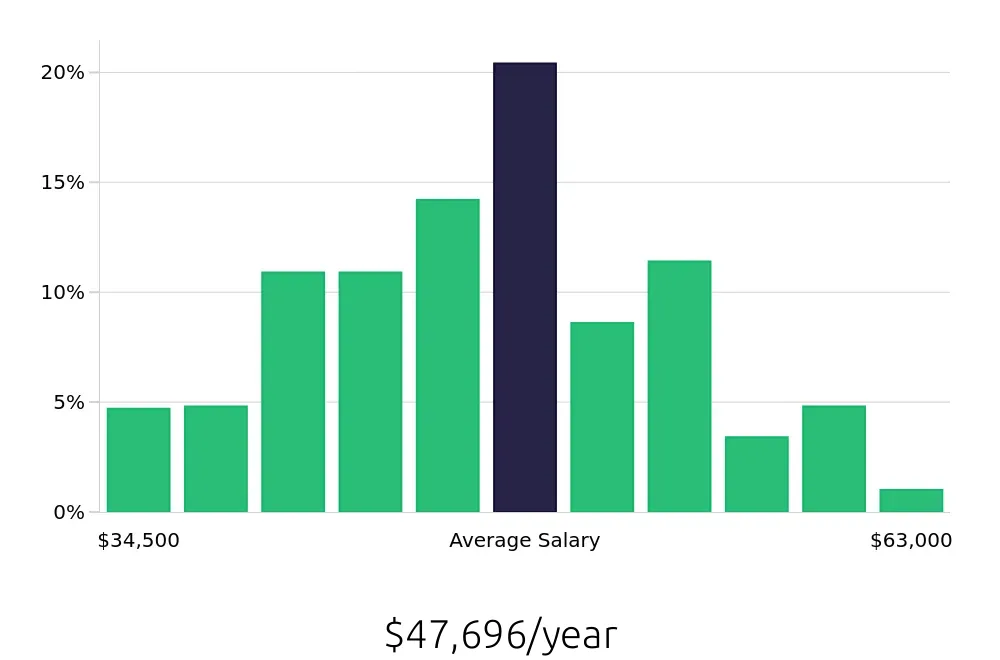
RBTs can also expect a competitive salary. The BLS reports an average annual compensation of $45,720. This equates to about $21.98 per hour. These figures reflect the value placed on the skills and expertise RBTs bring to the table. With experience and additional certifications, earning potential can increase even further. This makes the career both rewarding and financially viable for many professionals.
Currently 8,587 Registered Behavior Technician job openings, nationwide.
Continue to Salaries for Registered Behavior Technician