What does a Registered Dietitian do?
A Registered Dietitian plays a vital role in helping people make healthy food choices. They use their deep understanding of nutrition to create personalized meal plans. This helps individuals meet their health goals, whether it's losing weight, managing a chronic condition, or enhancing sports performance. They often work in hospitals, schools, or private practices, offering expert advice to patients and clients.
Their responsibilities extend beyond just creating diet plans. A Registered Dietitian also educates people on the importance of good nutrition. They conduct workshops and seminars to inform the community. They also stay up-to-date with the latest research in nutrition science. This ensures they provide the most current and effective advice. Working with doctors, nurses, and other healthcare providers, they help create a comprehensive plan for each patient's health needs.
How to become a Registered Dietitian?
Becoming a Registered Dietitian involves several important steps. Each step is crucial to gain the knowledge and experience needed to help people improve their health through food and nutrition. This process can lead to a rewarding career in the healthcare industry.
Here are five key steps to becoming a Registered Dietitian:
- Earn a Bachelor's Degree: Start with a bachelor's degree in nutrition, dietetics, or a related field. This will give the foundation needed for further education and training.
- Complete an Internship: Participate in an internship or supervised practice program. This hands-on experience is important to apply classroom knowledge in real-world settings.
- Pass the Examination: Take and pass the Registration Examination for Dietitians. This exam tests knowledge in foodservice systems, nutrition therapy, and dietetics management.
- Gain Supervised Experience: Accumulate the required hours of supervised practice. This often involves working under the guidance of a registered dietitian.
- Apply for Registration: Once all requirements are met, apply for registration with the Commission on Dietetic Registration. This final step will make someone a Registered Dietitian.
Following these steps can help job seekers enter the field of dietetics successfully. Each step builds on the last, leading to a rewarding career as a Registered Dietitian. This profession offers many opportunities to make a positive impact on people's lives through nutrition.
How long does it take to become a Registered Dietitian?
The journey to becoming a Registered Dietitian (RD) involves several key steps. Firstly, a bachelor’s degree in nutrition or a related field is required. This typically takes four years to complete. After earning the bachelor’s degree, an individual must complete a dietetic internship program. These programs often last between six months and a year. Together, these two steps make up the foundational educational requirements.
Upon completing the necessary education, individuals take the Commission on Dietetic Registration (CDR) exam. Passing this exam is crucial to earning the RD credential. Many find it helpful to study for several months before taking the exam. This ensures they have a strong grasp of the material. After passing the exam, RDs must also complete continuing education to maintain their credential. This adds an ongoing commitment to professional growth and learning.
Registered Dietitian Job Description Sample
We are seeking a skilled and compassionate Registered Dietitian to join our team. The ideal candidate will be responsible for providing expert nutritional advice and support to clients, developing individualized nutrition plans, and collaborating with healthcare professionals to improve overall wellness.
Responsibilities:
- Assess clients' nutritional needs through interviews, physical examinations, and medical histories.
- Develop and implement personalized nutrition plans and goals tailored to individual client needs.
- Provide education and counseling on nutrition, dietary changes, and healthy lifestyle choices.
- Monitor and evaluate clients' progress and adjust plans as necessary to achieve desired outcomes.
- Collaborate with physicians, nurses, and other healthcare professionals to provide comprehensive care.
Qualifications
- Bachelor's degree in Nutrition, Dietetics, or a related field.
- Completion of a supervised practice program and registration with the Commission on Dietetic Registration (CDR).
- Strong knowledge of nutrition science, dietary guidelines, and meal planning.
- Excellent communication, counseling, and interpersonal skills.
- Ability to work effectively with a diverse population.
Is becoming a Registered Dietitian a good career path?
The career of a Registered Dietitian (RD) offers numerous opportunities in various healthcare settings. This role involves helping people improve their health through nutrition. RDs work in hospitals, clinics, schools, and private practices. They create meal plans, offer nutrition advice, and teach about healthy eating. The demand for RDs continues to grow as more people focus on their health.
Choosing this career path comes with its own set of advantages and challenges. Understanding these can help job seekers make an informed decision. RDs enjoy the satisfaction of improving people's health. They also have job stability and opportunities for growth. However, the path to becoming an RD requires a lot of education and training. The job can be stressful, especially when working with patients who have serious health issues.
Here are some pros and cons to think about:
- Pros:
- Helping people improve their health through nutrition.
- Job stability and growing demand.
- Opportunities for career growth and specialization.
- Flexible work settings, including hospitals, schools, and private practice.
- Cons:
- Requires a lot of education and training.
- Can be emotionally challenging, especially with seriously ill patients.
- Work can be repetitive, focusing on meal planning and counseling.
- Potential for burnout due to the demanding nature of the job.
What is the job outlook for a Registered Dietitian?
The job outlook for Registered Dietitians is promising. The Bureau of Labor Statistics (BLS) reports about 5,600 job openings each year. This trend suggests a steady demand for skilled professionals in this field. With a growing emphasis on health and nutrition, job opportunities are expected to increase.
Looking ahead, the BLS predicts a 6.6% growth in job openings from 2022 to 2032. This growth is driven by an increasing focus on health and wellness. More people are seeking professional advice on diet and nutrition, boosting the need for Registered Dietitians. This makes it an excellent time for job seekers to enter this field.
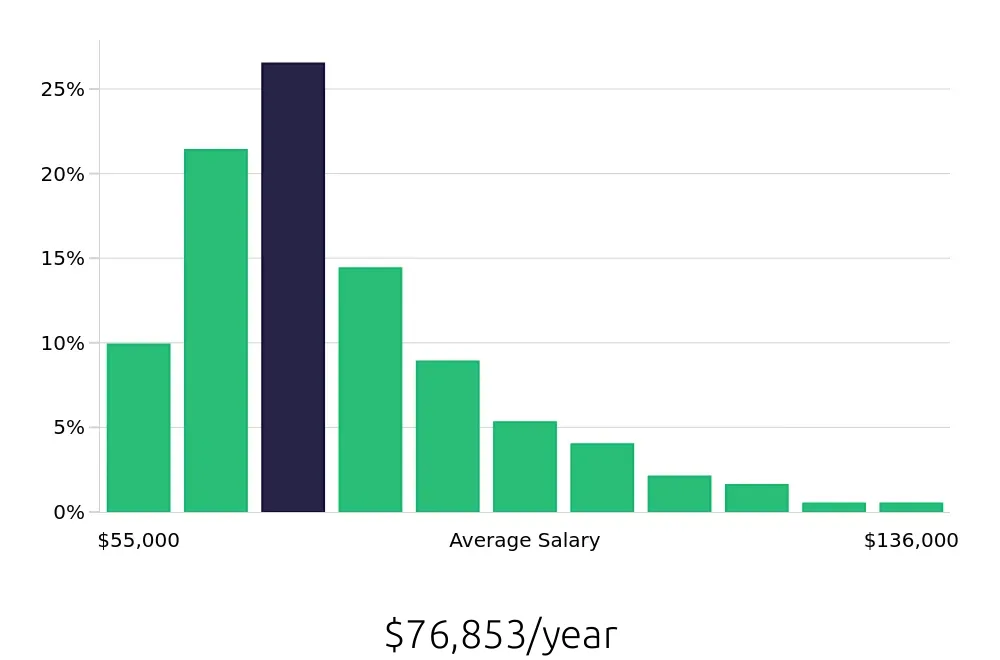
Registered Dietitians enjoy a competitive salary. The BLS reports an average national annual compensation of $71,280. On an hourly basis, the average compensation stands at $34.27. These figures reflect the value and expertise of professionals in this role. For those considering a career as a Registered Dietitian, these numbers highlight the financial rewards of the profession. Interested job seekers can find more information on the BLS website, linked at the beginning of this article.
Currently 2,097 Registered Dietitian job openings, nationwide.
Continue to Salaries for Registered Dietitian