What does a Registered Dietitian do?
A Registered Dietitian (RD) plays a vital role in promoting health and wellness. They assess individuals’ nutritional needs and create personalized meal plans. RDs work in various settings, including hospitals, schools, and private practices. They educate people on healthy eating habits and the importance of balanced diets. RDs also research and develop nutrition programs to meet community needs.
Registered Dietitians collaborate with healthcare teams to manage diet-related conditions. They monitor patients’ progress and adjust meal plans as needed. RDs often work with athletes and individuals with specific dietary needs, such as those with diabetes or food allergies. They also provide guidance on weight management and healthy lifestyle choices. With their expertise, RDs help people achieve optimal health and well-being through proper nutrition.
How to become a Registered Dietitian?
Becoming a Registered Dietitian offers a rewarding career in health and nutrition. The journey involves several important steps that lead to certification and a successful career. Follow this guide to understand the process.
First, earning a bachelor’s degree is essential. Most programs require courses in food, nutrition, and related sciences. It is important to choose a program accredited by the Academy of Nutrition and Dietetics. Completing this degree sets the foundation for further education and training.
- Earn a Bachelor's Degree: Obtain a degree in a related field from an accredited institution.
- Complete a Dietetic Internship: Gain practical experience by completing a supervised practice program.
- Pass the CDR Exam: Take and pass the Registration Examination for Dietitians to become certified.
- Gain Required Hours: Accumulate the necessary hours of supervised practice as a dietitian.
- Apply for Registration: Submit an application for registration and wait for approval.
After completing the degree, the next step involves a dietetic internship. This program offers hands-on experience and supervised practice. It usually lasts six months to a year and meets specific standards set by the Academy of Nutrition and Dietetics.
How long does it take to become a Registered Dietitian?
Interested in a career as a Registered Dietitian? The journey takes dedication but offers rewarding results. It usually takes between four to six years to complete the necessary education and training. First, one needs to earn a bachelor’s degree in a field related to nutrition.
After gaining this degree, the next step involves completing a supervised practice program. This program often includes internships or dietetic residencies. These programs offer hands-on experience and typically last about one year. Upon completion, candidates must pass a national exam. Passing this exam leads to becoming a Registered Dietitian. This career path requires commitment but opens doors to many opportunities in health and nutrition.
Registered Dietitian Job Description Sample
We are seeking a compassionate and knowledgeable Registered Dietitian to join our healthcare team. The ideal candidate will be responsible for providing nutritional assessments, developing individualized meal plans, and educating patients on healthy eating habits to promote wellness and manage medical conditions.
Responsibilities:
- Conduct nutritional assessments and evaluations of patients to determine their dietary needs and goals.
- Develop and implement personalized nutrition care plans based on individual health conditions and lifestyle.
- Educate patients on the benefits of healthy eating habits and provide practical advice on meal planning and food choices.
- Monitor and evaluate patients' progress, making adjustments to meal plans as necessary.
- Collaborate with other healthcare professionals to provide comprehensive patient care.
Qualifications
- Registered Dietitian (RD) credential from the Commission on Dietetic Registration (CDR).
- Bachelor’s degree in Nutrition, Dietetics, or a related field.
- Completion of an accredited Dietetic Internship Program.
- Strong knowledge of nutrition science and dietary guidelines.
- Excellent communication and interpersonal skills.
Is becoming a Registered Dietitian a good career path?
A career as a Registered Dietitian offers a rewarding journey through the world of nutrition and health. This profession focuses on helping people make better food choices to improve their health. Registered Dietitians often work in hospitals, clinics, and private practices. They can also find opportunities in schools, sports teams, and the food industry. This role combines science with practical advice, making it both challenging and fulfilling.
Pursuing this career path brings many benefits. Registered Dietitians have stable job opportunities and competitive salaries. They play a vital role in public health, making a real difference in people's lives. The job often involves variety, as dietitians can specialize in areas like pediatrics, sports nutrition, or weight management. Continuing education is encouraged, allowing for career growth and specialization. However, there are challenges to consider. This career demands a strong educational background, including a bachelor’s degree and a supervised internship. The path to registration can be lengthy and requires passing a national exam.
Below are some pros and cons to consider when thinking about a career as a Registered Dietitian:
- Pros:
- Helping people improve their health
- Job stability and growth opportunities
- Variety in work environments and specializations
- Competitive salary and benefits
- Cons:
- Requires a lengthy education and training
- Must pass a national exam to become registered
- Can be emotionally demanding, especially when dealing with serious health issues
- May require long hours, including evenings and weekends
What is the job outlook for a Registered Dietitian?
The job outlook for Registered Dietitians (RDs) shows promising growth for job seekers in the field. The Bureau of Labor Statistics (BLS) reports an average of 5,600 job positions available each year. This consistent demand highlights the growing need for professionals who can provide dietary advice and help individuals improve their health. RDs play a crucial role in healthcare, education, and various other sectors, making it a versatile career choice for many.
Another positive aspect for RDs is the job openings percent change from 2022 to 2032, which is expected to grow by 6.6%. This increase reflects the expanding need for experts in nutrition and dietetics. With the rising awareness about health and wellness, more people seek professional advice to manage their diet. This trend benefits those looking to enter or advance in the field of dietetics. Job seekers will find many opportunities as the need for skilled RDs grows.
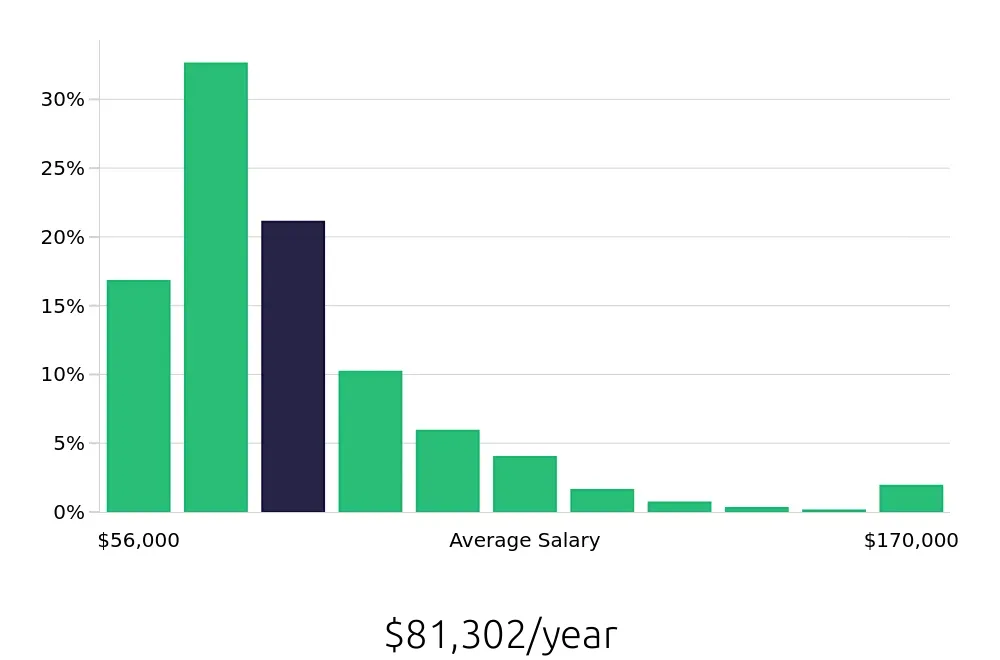
Registered Dietitians can also expect a competitive salary. The BLS reports an average national annual compensation of $71,280 and an hourly rate of $34.27. This compensation reflects the value placed on the expertise and skills RDs bring to their roles. The stable and rewarding salary makes this career attractive for those considering a future in dietetics. With a healthy job outlook and good compensation, becoming an RD is a wise choice for many job seekers.
Currently 1,820 Registered Dietitian job openings, nationwide.
Continue to Salaries for Registered Dietitian