What does a Regulatory Affairs Manager do?
A Regulatory Affairs Manager plays a crucial role in ensuring companies comply with laws and regulations. This professional works to interpret and implement regulatory requirements. They manage interactions with regulatory bodies, preparing documents and reports as needed. The goal is to maintain compliance and avoid penalties.
Responsibilities include monitoring changes in regulations and guiding the company's response. The manager coordinates with various departments, such as legal, quality assurance, and product development. They ensure that all products and services meet regulatory standards. This role also involves risk management and strategic planning. The manager often represents the company in meetings with regulatory agencies.
Key tasks of a Regulatory Affairs Manager include:
- Reviewing new regulations
- Creating compliance plans
- Submitting applications to regulatory authorities
- Training staff on regulatory requirements
- Maintaining detailed records of all compliance activities
How to become a Regulatory Affairs Manager?
Becoming a Regulatory Affairs Manager offers a promising career path for those interested in the intersection of healthcare, law, and business. This role involves ensuring that products meet all necessary regulations and standards before they reach the market. Achieving this position requires a series of deliberate steps that can lead to success.
The journey to becoming a Regulatory Affairs Manager includes several key steps. Each step is designed to build the necessary skills and experience needed for the role. Here are five essential steps in this process:
- Obtain a Relevant Degree: Start with a bachelor's degree in a related field, such as biology, chemistry, or pharmacy. This foundational education provides the scientific knowledge needed for the job.
- Gain Practical Experience: Seek internships or entry-level positions in regulatory affairs or related fields. This experience helps understand the practical side of regulatory processes.
- Pursue Advanced Education: Consider a master's degree in regulatory affairs, public health, or a related discipline. Advanced education enhances understanding and credibility in the field.
- Network with Professionals: Join industry groups and attend conferences. Building a professional network can lead to job opportunities and valuable insights.
- Gain Certification: Obtain relevant certifications, such as the Regulatory Affairs Certification from the Regulatory Affairs Professionals Society (RAPS). Certification can make a candidate more attractive to employers.
How long does it take to become a Regulatory Affairs Manager?
Getting ready for a role as a Regulatory Affairs Manager can take some time. Most people start with a bachelor's degree in a related field. This degree often takes four years to complete. Those with a strong interest in science might choose majors like biology, chemistry, or pharmaceutical sciences. After earning a bachelor's degree, one should gain experience in the field. This can involve working in entry-level roles or internships within the pharmaceutical or medical device industry. Experience helps build the skills needed for regulatory affairs.
To move further, some professionals choose to get a master's degree. This can take an additional two years. A master's degree in regulatory affairs or a related area can offer deeper knowledge and better job chances. Some roles might ask for a master's degree or equivalent work experience. Certification can also help. Regulatory affairs professionals can look for certifications from groups like the Regulatory Affairs Professionals Society (RAPS). These steps can take about six to eight years in total. With dedication and the right qualifications, someone can become a Regulatory Affairs Manager.
Regulatory Affairs Manager Job Description Sample
A Regulatory Affairs Manager is responsible for ensuring that all company products and services comply with the regulatory requirements set forth by government agencies and industry standards. This role involves developing and implementing regulatory strategies, managing regulatory submissions, and collaborating with cross-functional teams to navigate complex regulatory landscapes.
Responsibilities:
- Develop and implement regulatory strategies to ensure compliance with federal, state, and local regulations.
- Oversee the preparation and submission of regulatory documents, including 510(k)s, PMA/ANDAs, and other required filings.
- Collaborate with cross-functional teams including R&D, quality assurance, legal, and marketing to ensure regulatory compliance.
- Stay informed on current and upcoming regulatory changes and assess the impact on the company's products and services.
- Maintain relationships with regulatory agencies, including FDA, EMA, and other relevant bodies.
Qualifications
- Bachelor's degree in Life Sciences, Regulatory Affairs, or related field. Advanced degree preferred.
- Minimum of 5-7 years of experience in regulatory affairs, preferably in the medical device, pharmaceutical, or biotechnology industry.
- Strong understanding of regulatory requirements and processes, including FDA regulations, ICH guidelines, and international regulatory frameworks.
- Excellent communication and interpersonal skills, with the ability to work effectively with cross-functional teams.
- Strong project management skills with the ability to prioritize tasks and manage multiple projects simultaneously.
Is becoming a Regulatory Affairs Manager a good career path?
A Regulatory Affairs Manager oversees the compliance of products with laws and regulations. They work with government agencies to ensure products are safe and effective. This role requires a deep understanding of regulations and laws. It also involves coordinating with various departments within a company. Managers in this field must stay current with industry changes and regulations.
Being a Regulatory Affairs Manager offers both benefits and challenges. It provides a stable career with good job security. It also offers opportunities to make a significant impact on public health. However, it can be a high-pressure job with long hours. It requires continuous learning to stay updated with regulations.
Here are some pros and cons to consider:
- Pros:
- Job security and stability.
- Opportunity to make a difference in public health.
- Good salary and benefits.
- Career growth opportunities.
- Cons:
- High-pressure environment.
- Long working hours, especially during product launches.
- Continuous learning needed to stay updated with regulations.
- High responsibility and accountability.
What is the job outlook for a Regulatory Affairs Manager?
The job outlook for Regulatory Affairs Managers is strong, making this a promising career path for professionals. The U.S. Bureau of Labor Statistics reports an average of 94,400 job positions available each year. This indicates a stable and growing demand for skilled managers in this field. With an expected percent change of 3.3% from 2022 to 2032, this career is set to continue its upward trend.
A Regulatory Affairs Manager plays a crucial role in ensuring that products meet all regulatory requirements. This role is vital in industries such as pharmaceuticals, medical devices, and food and beverage. The need for compliance with federal and state regulations drives the demand for these professionals. Employers value their ability to navigate complex regulatory environments, making them indispensable to their teams.
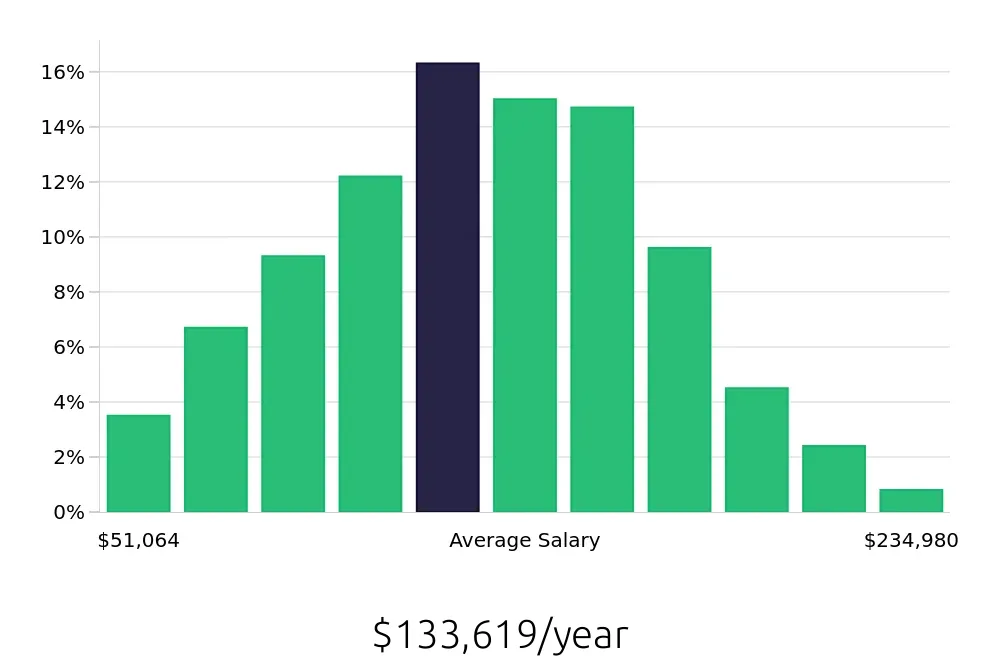
Apart from a growing job outlook, Regulatory Affairs Managers enjoy a competitive salary. The average national annual compensation is $146,320, with an hourly rate of $70.35, according to the BLS. This compensation reflects the high level of responsibility and expertise required for the role. For job seekers, these figures highlight the financial rewards that come with a successful career in Regulatory Affairs Management.
Currently 131 Regulatory Affairs Manager job openings, nationwide.
Continue to Salaries for Regulatory Affairs Manager