What does a Regulatory Coordinator do?
A Regulatory Coordinator manages compliance with government regulations and industry standards. This role involves ensuring that a company adheres to all legal requirements. The coordinator works closely with various departments to implement regulatory processes. They review documents, track changes in regulations, and report compliance status.
Key tasks include preparing and submitting reports to regulatory bodies, conducting internal audits, and coordinating training for staff on compliance issues. The coordinator also liaises with external regulatory agencies. They must stay informed about new laws and regulations that affect their organization. This position is critical for maintaining a company's good standing with regulatory authorities.
Essential skills for a Regulatory Coordinator include strong attention to detail, excellent organizational skills, and the ability to communicate effectively. They should also have a solid understanding of regulatory frameworks and industry-specific rules.
How to become a Regulatory Coordinator?
Interested in a career as a Regulatory Coordinator? This role involves ensuring that organizations comply with laws and regulations. The journey to this position can be clear and straightforward. By following these steps, you can set yourself on a path to success.
First, obtaining the right education is crucial. Many Regulatory Coordinators hold at least a bachelor’s degree in a related field. Common degrees include business administration, health administration, or biology. This academic background provides the foundation needed to understand complex regulations.
- Earn a Relevant Degree: A bachelor’s degree in business, health administration, or a science field.
- Gain Experience: Look for internships or entry-level jobs in regulatory affairs, healthcare, or compliance.
- Develop Key Skills: Focus on skills like attention to detail, analytical thinking, and excellent communication.
- Obtain Certification: Consider getting certified through organizations like the Regulatory Affairs Professionals Society (RAPS).
- Network: Connect with professionals in the field through events and online platforms like LinkedIn.
Next, gaining experience through internships or entry-level positions is vital. Working in regulatory affairs, healthcare, or compliance helps you understand the industry better. It also allows you to apply what you learned in school to real-world situations.
Another important step is developing key skills. Regulatory Coordinators must have strong attention to detail, analytical thinking, and communication skills. These abilities help them ensure compliance with regulations and communicate effectively with team members and regulatory bodies.
Obtaining certification can further enhance your resume. Certifications from recognized organizations like RAPS demonstrate your commitment to the field and your expertise. They also make you more attractive to potential employers.
Finally, networking plays a significant role. Building connections with professionals in the field can open doors to job opportunities. Attend industry events and join professional organizations to expand your network.
How long does it take to become a Regulatory Coordinator?
The path to becoming a Regulatory Coordinator involves several steps, each adding value to your knowledge and skills. Typically, candidates start with a high school diploma or equivalent. Following this, they may pursue a postsecondary certificate or an associate's degree in regulatory affairs or a related field. This educational journey usually takes about two to four years. Many employers also look for candidates with experience in areas such as healthcare, pharmaceuticals, or environmental science.
For those seeking a more in-depth understanding, a bachelor’s degree can be beneficial. This degree often takes an additional two to four years to complete. Some candidates choose to gain practical experience through internships or entry-level positions before fully committing to this path. A Regulatory Coordinator must stay current with industry regulations and updates. Continuing education and professional development can enhance career prospects and job performance. Balancing education and experience often takes about four to six years, but dedicated professionals can complete this timeline sooner.
Regulatory Coordinator Job Description Sample
The Regulatory Coordinator will be responsible for ensuring compliance with regulatory requirements across all departments within the organization. This role involves working closely with various teams to implement and maintain effective regulatory processes and procedures.
Responsibilities:
- Maintain and update all regulatory documentation and records, ensuring compliance with local, state, and federal regulations.
- Collaborate with internal teams to develop and implement regulatory compliance programs.
- Conduct regular audits to ensure adherence to regulatory standards and identify areas for improvement.
- Prepare and submit regulatory filings and reports to relevant authorities as required.
- Stay informed of changes in regulatory requirements and communicate these changes to relevant departments.
Qualifications
- Bachelor's degree in Business, Healthcare, Law, or a related field.
- Minimum of 3-5 years of experience in a regulatory or compliance role.
- Strong understanding of regulatory requirements and industry standards.
- Excellent communication and interpersonal skills.
- Detail-oriented with strong organizational skills.
Is becoming a Regulatory Coordinator a good career path?
A Regulatory Coordinator plays a key role in ensuring businesses comply with legal and regulatory requirements. This job involves researching, preparing, and submitting documents to government agencies. It requires a detailed understanding of laws and regulations. The role often involves working with legal, quality assurance, and production teams. Professionals in this field help companies avoid fines and maintain good standing with regulatory bodies.
Working as a Regulatory Coordinator offers several benefits. They have the chance to work in various industries, including pharmaceuticals, food and beverage, and medical devices. This role often includes office work, offering a stable work environment. Regulatory Coordinators can advance to higher roles like Regulatory Affairs Manager. They also gain valuable experience in compliance and regulatory processes. However, the job can have its challenges. It requires constant updates on changing regulations. This can be time-consuming and demanding. The work may also involve high-pressure situations when deadlines are near.
To consider if this career is right, look at the pros and cons:
- Pros:
- Opportunities to work in many industries
- Stable office work environment
- Potential for career advancement
- Gaining expertise in compliance and regulations
- Cons:
- Must stay updated with changing laws
- Can be time-consuming
- May involve high-pressure situations
What is the job outlook for a Regulatory Coordinator?
The job outlook for Regulatory Coordinators looks positive. According to the Bureau of Labor Statistics (BLS), this profession sees an average of 800 job openings each year. With a projected change of 1.1% from 2022 to 2032, there will continue to be steady demand for these professionals. The role involves ensuring compliance with regulatory standards, making it essential across various industries.
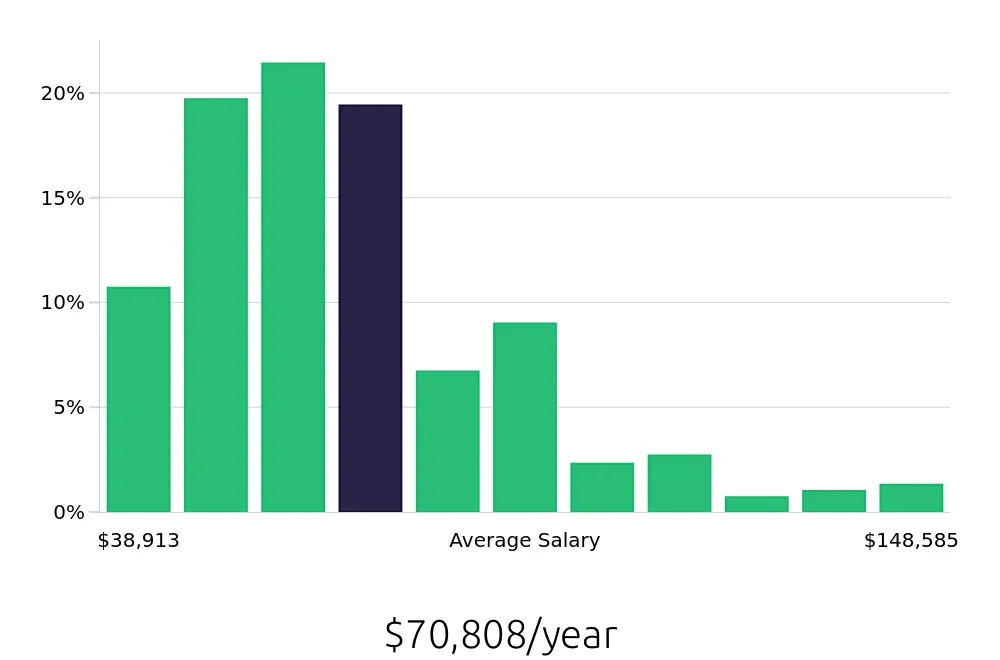
Regulatory Coordinators can expect a solid salary as well. The BLS reports that the average national annual compensation for this role is $126,950. This figure reflects the importance and responsibility of managing regulatory requirements in different sectors. Such a competitive salary makes this a lucrative career choice for those with the necessary skills and qualifications. The hourly compensation stands at $61.03, adding to the appeal of this profession.
Job seekers interested in becoming Regulatory Coordinators will find ample opportunity in this growing field. The blend of consistent demand, good compensation, and professional growth makes this career path attractive. As regulatory environments become more complex, the need for skilled coordinators will only increase. This role offers a promising future for those who pursue it.
Currently 39 Regulatory Coordinator job openings, nationwide.
Continue to Salaries for Regulatory Coordinator