What does a Rehabilitation Specialist do?
A Rehabilitation Specialist plays a vital role in helping individuals recover from injuries, illnesses, or disabilities. This professional creates personalized treatment plans to help patients regain their strength and mobility. They work closely with doctors, physical therapists, and other healthcare providers to ensure the best possible outcomes for their patients.
The Rehabilitation Specialist assesses patients' conditions, develops goals, and tracks progress. They use a variety of techniques, including exercises, stretches, and other therapies. This job requires strong communication skills, as the specialist must explain procedures and motivate patients throughout their recovery process. Attention to detail and the ability to adapt treatment plans to meet individual needs are essential.
Key responsibilities of a Rehabilitation Specialist include:
- Evaluating patients' physical conditions
- Designing and implementing rehabilitation programs
- Monitoring patient progress and making necessary adjustments
- Educating patients on injury prevention and wellness
- Collaborating with a multidisciplinary healthcare team
This role provides meaningful support to those in need, making it both rewarding and important in the healthcare field.
How to become a Rehabilitation Specialist?
Becoming a Rehabilitation Specialist involves several key steps. This profession focuses on helping individuals recover from injuries, surgeries, or disabilities. It requires a blend of medical knowledge and empathy. This guide outlines the process to start a career in rehabilitation.
Start by earning a relevant degree. Many Rehabilitation Specialists have a degree in physical therapy, occupational therapy, or a related field. A bachelor’s degree is a good first step. A master’s degree can offer more job opportunities and higher pay. Look for accredited programs that provide hands-on experience.
- Gain necessary education.
- Complete a clinical internship.
- Obtain required certifications.
- Start applying for jobs.
- Continue professional development.
Once the education is complete, gain practical experience through a clinical internship. These internships are usually part of degree programs. They allow students to work with patients under supervision. This experience is crucial for future employers. It also helps in understanding the day-to-day tasks of a Rehabilitation Specialist.
After gaining experience, obtain necessary certifications. Each state has its own requirements for licensing. Common certifications include the Physical Therapist Licensure Exam or the Occupational Therapy National Board Exam. Check the specific requirements for the state where you plan to work.
With education and certifications in hand, begin applying for jobs. Look for positions in hospitals, clinics, or rehabilitation centers. Tailor resumes and cover letters to highlight relevant skills and experiences. Networking can also help in finding job opportunities.
After starting the job, continue professional development. Attend workshops, seminars, and conferences. Keep up with the latest research and treatments. This ongoing education can lead to career advancement and better patient care.
How long does it take to become a Rehabilitation Specialist?
Pursuing a career as a Rehabilitation Specialist offers a rewarding path in the healthcare field. Many people find this role fulfilling because it involves helping others improve their quality of life. The journey to becoming a Rehabilitation Specialist involves several steps, each requiring dedication and effort. On average, it takes about four to six years to complete the necessary education and training. This timeline includes both undergraduate and graduate studies, along with any internships or clinical experience needed.
Individuals first need to earn a bachelor's degree in a relevant field, such as exercise science, psychology, or occupational therapy. This stage usually takes four years. After completing the bachelor's degree, the next step is to gain specialized knowledge. This often means earning a master's degree or a doctoral degree in rehabilitation services or a related discipline. These advanced degrees can take an additional two to four years to complete. Finally, gaining practical experience through internships or supervised clinical work is crucial. This hands-on experience ensures that specialists are well-prepared to enter the field and provide effective care to their patients.
Rehabilitation Specialist Job Description Sample
The Rehabilitation Specialist plays a pivotal role in helping individuals recover and regain functionality following an injury, illness, or surgery. This role requires a compassionate and knowledgeable professional who can develop and implement rehabilitation plans tailored to each patient's specific needs and goals.
Responsibilities:
- Assess patients' physical, emotional, and cognitive conditions to develop appropriate rehabilitation plans.
- Implement rehabilitation programs that include physical therapy, occupational therapy, and other modalities to improve patients' mobility, strength, and independence.
- Monitor and document patients' progress and adjust rehabilitation plans as necessary.
- Collaborate with a multidisciplinary team, including doctors, nurses, and other healthcare professionals, to ensure comprehensive patient care.
- Educate patients and their families about the rehabilitation process, expected outcomes, and strategies for continued improvement.
Qualifications
- Bachelor's or Master's degree in Physical Therapy, Occupational Therapy, Rehabilitation Science, or a related field.
- Licensed and in good standing as a Physical Therapist, Occupational Therapist, or Rehabilitation Specialist, as required by the state.
- Minimum of 2-3 years of experience in a clinical rehabilitation setting.
- Strong understanding of rehabilitation principles, techniques, and modalities.
- Excellent communication and interpersonal skills to effectively interact with patients, families, and healthcare team members.
Is becoming a Rehabilitation Specialist a good career path?
A Rehabilitation Specialist helps people recover from injuries or illnesses. They work in hospitals, clinics, or private practices. This job lets a specialist work with patients one-on-one. They create personalized plans to help patients regain their strength and skills. A specialist may use exercises, equipment, or therapy.
Working as a Rehabilitation Specialist has many benefits. First, the job is rewarding. Specialists see patients improve every day. It feels good to help others. Second, the job offers good pay. Many specialists earn a comfortable salary. Third, the field is growing. More people need rehabilitation services as the population ages.
However, the job has some challenges. The work can be physically demanding. Specialists must lift and move patients. It can be tiring. The job also involves long hours. Specialists often work beyond their regular shifts to help patients. Another challenge is dealing with difficult patients. Some patients may be in pain or frustrated. It requires patience and a calm attitude.
In summary, being a Rehabilitation Specialist means helping people recover. The job offers personal rewards and good pay. But, it also has its challenges. Specialists must be ready to work hard and handle difficult situations.
Consider these pros and cons before starting this career:
- Pros:
- Helping people recover
- Good pay
- Growing field
- Cons:
- Physically demanding
- Long hours
- Dealing with difficult patients
What is the job outlook for a Rehabilitation Specialist?
The job outlook for Rehabilitation Specialists looks promising, with an average of 89,200 job positions available each year, according to the Bureau of Labor Statistics (BLS). This steady demand reflects the growing need for professionals who help individuals recover from injuries or illnesses. As the population ages and healthcare needs evolve, these specialists will continue to play a crucial role in patient care and recovery.
Rehabilitation Specialists can expect positive growth in job openings. The BLS predicts an 11.9% increase in job opportunities from 2022 to 2032. This growth highlights the increasing demand for rehabilitation services across various healthcare settings. Job seekers in this field can look forward to a growing number of options and a stable career path.
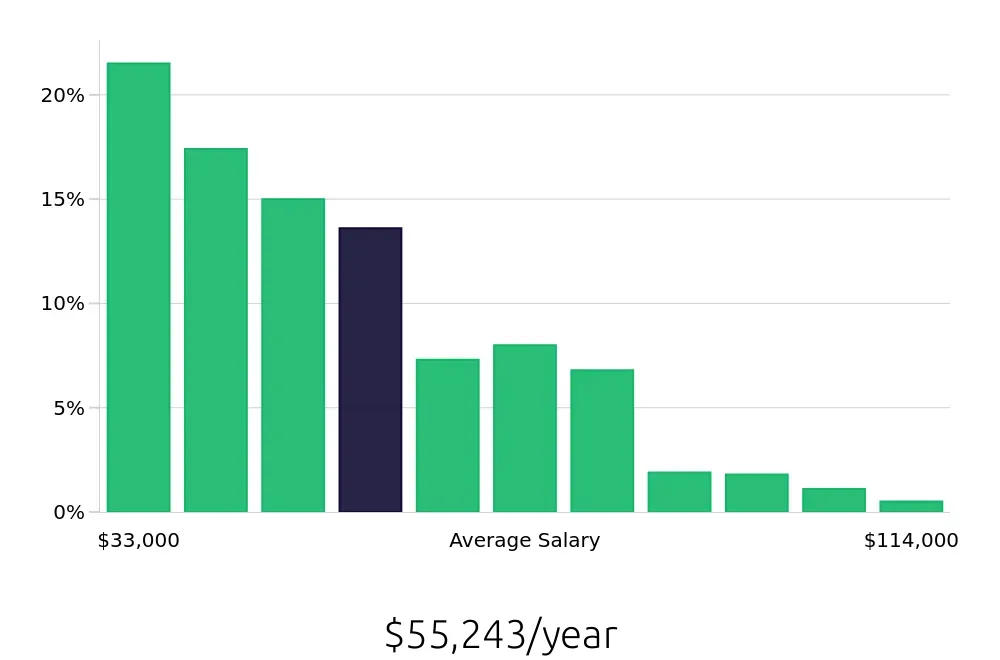
The average national annual compensation for Rehabilitation Specialists is $61,790, with an hourly rate of $29.71, as reported by the BLS. This competitive salary reflects the importance of the role and the specialized skills required. With the potential for professional growth and job stability, becoming a Rehabilitation Specialist offers a rewarding career choice for those committed to helping others improve their quality of life.
Currently 288 Rehabilitation Specialist job openings, nationwide.
Continue to Salaries for Rehabilitation Specialist