What does a Rehabilitation Specialist do?
A Rehabilitation Specialist focuses on helping individuals who have suffered injuries or illnesses recover their abilities. This role involves creating personalized rehabilitation plans. The specialist assesses the needs of each patient. They then design exercises and therapies to improve mobility and strength. A Rehabilitation Specialist works closely with doctors, physical therapists, and other healthcare professionals. They aim to maximize the patient's recovery and independence.
The Rehabilitation Specialist also educates patients and their families about the rehabilitation process. This education includes explaining exercises and therapies. They provide guidance on how to perform them at home. The specialist monitors progress and makes adjustments to treatment plans as needed. This role requires strong communication skills and a compassionate approach. It ensures that patients feel supported throughout their recovery journey.
In this role, one needs to stay updated with the latest rehabilitation techniques and technologies. A Rehabilitation Specialist values teamwork and continuous learning. They often work in hospitals, rehabilitation centers, or private practices. This position plays a crucial role in enhancing the quality of life for those recovering from injuries or illnesses.
How to become a Rehabilitation Specialist?
Becoming a Rehabilitation Specialist can lead to a rewarding career helping others regain their independence and improve their quality of life. This role requires dedication and specialized knowledge. Follow these steps to start your journey in this fulfilling field.
First, consider the skills and qualities needed for the job. Rehabilitation Specialists must have a compassionate nature, strong communication skills, and a solid understanding of medical conditions. These traits will help in supporting patients through their recovery journey.
- Earn a relevant degree: Start with a bachelor’s degree in fields such as occupational therapy, physical therapy, or rehabilitation counseling. This foundation is crucial for understanding human health and recovery.
- Gain practical experience: Look for internships or volunteer opportunities in hospitals or rehabilitation centers. This hands-on experience will build skills and make your resume stronger.
- Obtain necessary certifications: Depending on the state and specific role, you may need to get certified. Check the requirements in your area and prepare for any exams or training needed.
- Apply for entry-level positions: Use your education and experience to apply for jobs. Even starting in a support role can help gain valuable experience and contacts in the field.
- Continue education and stay current: The field of rehabilitation is always evolving. Take courses and attend workshops to keep skills fresh and to advance in the career.
How long does it take to become a Rehabilitation Specialist?
Interest in helping others often leads many to consider a career as a Rehabilitation Specialist. This rewarding path requires dedication and education. Most candidates earn a bachelor's degree in a related field first. This step usually takes about four years. Those who wish to advance or specialize may pursue a master's degree. This adds another two years. For those who want to become certified, they must complete relevant clinical training. This can vary but often takes another one to two years.
Choosing a career as a Rehabilitation Specialist can be very fulfilling. The journey involves several steps. First, complete a bachelor’s degree in areas like psychology, social work, or occupational therapy. This initial education sets the foundation. Next, gaining practical experience is key. Most specialists complete a supervised internship or clinical residency. This ensures they are ready to help clients effectively. Finally, certification or licensure may be required based on the state or specialty. This final step confirms the specialist meets professional standards and can legally practice.
Rehabilitation Specialist Job Description Sample
A Rehabilitation Specialist is responsible for developing and implementing personalized rehabilitation plans for patients with physical, mental, or emotional disabilities. This role involves working closely with a multidisciplinary team to help patients achieve their highest level of functioning and independence.
Responsibilities:
- Develop and implement individualized rehabilitation plans based on patient assessments.
- Conduct regular evaluations of patient progress and adjust treatment plans as necessary.
- Provide therapeutic interventions, including physical therapy, occupational therapy, and speech therapy.
- Collaborate with physicians, nurses, and other healthcare professionals to coordinate patient care.
- Educate patients and their families about rehabilitation processes and strategies for ongoing support.
Qualifications
- Bachelor’s degree in Rehabilitation Science, Physical Therapy, Occupational Therapy, or a related field.
- License or certification in the relevant rehabilitation discipline (e.g., Physical Therapist License, Occupational Therapist License).
- Minimum of 2 years of experience in a rehabilitation setting.
- Strong understanding of rehabilitation principles and practices.
- Excellent communication and interpersonal skills.
Is becoming a Rehabilitation Specialist a good career path?
A Rehabilitation Specialist helps people regain their abilities after injury or illness. They work in hospitals, clinics, or private practices. These specialists create and implement therapy plans to help patients recover. This career requires strong communication skills and empathy. Job growth for Rehabilitation Specialists looks promising.
The path to becoming a Rehabilitation Specialist starts with education. Most professionals hold a bachelor’s degree in physical therapy, occupational therapy, or a related field. Some roles may require a master’s degree. After education, a license is necessary to practice. This means passing an exam and meeting state requirements. Continuing education is often needed to keep skills sharp and the license current.
Working as a Rehabilitation Specialist has both advantages and disadvantages.
- Pros:
- Helping others improve their quality of life.
- Job stability with steady demand in healthcare.
- Good earning potential with opportunities for advancement.
- Cons:
- Long hours, sometimes including evenings and weekends.
- Physical demands that may lead to injury over time.
- Emotional stress from working with patients in challenging situations.
What is the job outlook for a Rehabilitation Specialist?
The job outlook for Rehabilitation Specialists promises a positive trend for prospective job seekers. According to the Bureau of Labor Statistics (BLS), the field sees an average of 89,200 job positions available each year. This consistent demand indicates a steady need for qualified professionals in this sector.
Looking ahead, job growth for Rehabilitation Specialists is expected to increase by 11.9% from 2022 to 2032, as per BLS projections. This rise reflects growing healthcare needs and an increasing focus on rehabilitation services. This growth offers numerous opportunities for those entering or advancing in this career.
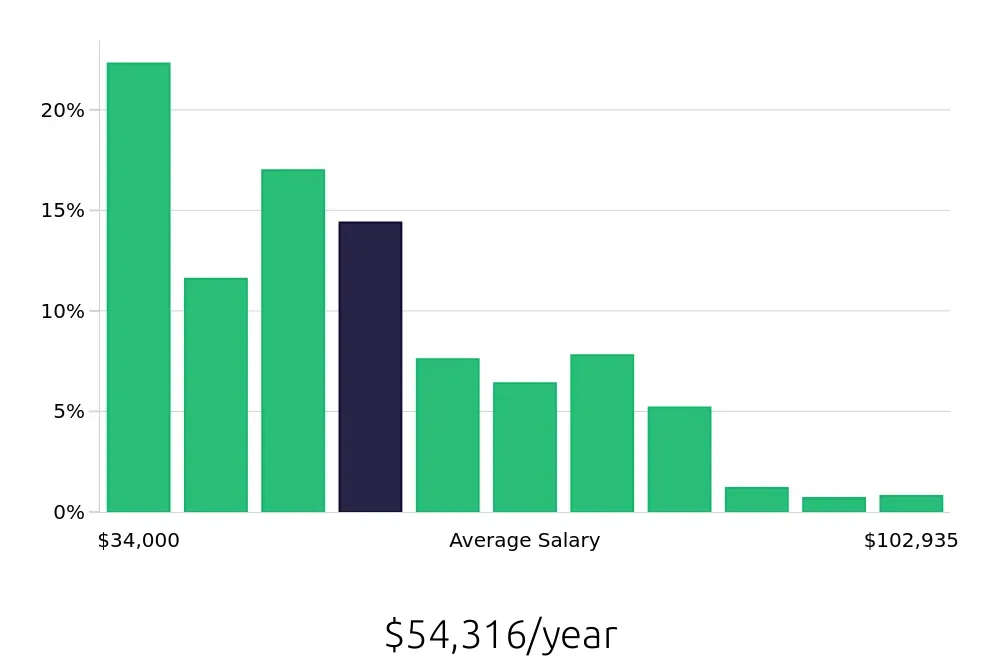
Professionals in this field can expect an average annual salary of $61,790. Hourly compensation averages $29.71, highlighting the rewarding nature of this profession. With a stable job market and competitive pay, Rehabilitation Specialists can look forward to a promising career path.
Currently 225 Rehabilitation Specialist job openings, nationwide.
Continue to Salaries for Rehabilitation Specialist