What does a Research Associate do?
A Research Associate plays a crucial role in advancing knowledge and contributing to scientific studies. They conduct detailed investigations and gather data to support various research projects. This role involves working closely with senior researchers and scientists, ensuring that all research adheres to ethical standards and meets project objectives. Research Associates often prepare reports, analyze findings, and present their results to stakeholders.
Responsibilities of a Research Associate include designing experiments, collecting and analyzing data, and interpreting results. They must be meticulous in their work, ensuring accuracy and reliability in every step of the research process. Additionally, Research Associates often collaborate with other professionals, sharing insights and contributing to a collective understanding of the subject matter. This position requires strong analytical skills, attention to detail, and the ability to work independently and as part of a team.
How to become a Research Associate?
Becoming a Research Associate involves several key steps. This role requires a mix of education, experience, and specific skills. Follow these steps to pursue this career path.
First, one should complete a relevant degree. A bachelor’s degree in a field such as science, social science, or engineering is ideal. Next, gaining research experience through internships or assistant positions is crucial. This helps develop practical skills. Building a strong network within the academic community can open up job opportunities. Attending conferences and joining professional organizations aids in this regard. Finally, obtaining certifications in specialized research tools and methodologies can enhance job prospects.
Here are the five steps to becoming a Research Associate:
- Earn a relevant bachelor’s degree.
- Gain research experience through internships or assistantships.
- Network within the academic and professional community.
- Attend relevant conferences and join professional organizations.
- Obtain certifications in specialized research tools and methodologies.
How long does it take to become a Research Associate?
Starting a career as a Research Associate can lead to many rewarding opportunities. The time it takes to become one depends on several factors. Most people need a bachelor’s degree in a relevant field, like science or engineering. This takes about four years to complete. Some positions may also require a master’s degree, adding another two years. Gaining experience through internships or entry-level jobs can help too. Many find it useful to work in research settings to build the skills they need.
In addition to formal education, getting certifications can make a candidate more competitive. For instance, courses in data analysis or specific lab techniques can be valuable. Some employers might prefer candidates with certain certifications, which can take several months to earn. Networking with professionals in the field and attending conferences or workshops can also help. These activities can take extra time but add to a candidate’s expertise and visibility in the job market.
Research Associate Job Description Sample
As a Research Associate, you will contribute to the advancement of scientific knowledge by conducting research studies, analyzing data, and collaborating with a team of researchers to produce high-quality research outputs.
Responsibilities:
- Conducting literature reviews and staying current on trends and developments in the field of research.
- Designing, planning, and executing research projects in accordance with established protocols and methodologies.
- Collecting, analyzing, and interpreting research data using various analytical techniques and software tools.
- Collaborating with principal investigators, team members, and external partners to achieve research objectives.
- Authoring and co-authoring research papers, reports, and other scholarly publications.
Qualifications
- A Master’s or Ph.D. degree in a relevant scientific discipline.
- Proven experience in conducting independent research and publishing in peer-reviewed journals.
- Strong analytical and problem-solving skills with attention to detail.
- Proficiency in statistical analysis software and data management tools.
- Excellent written and verbal communication skills.
Is becoming a Research Associate a good career path?
Working as a Research Associate offers a unique blend of intellectual challenge and practical application. This role involves conducting experiments, analyzing data, and contributing to research projects across various industries. Professionals in this field collaborate with teams and often publish findings in scientific journals, enhancing their visibility within the academic and professional community.
This career path provides a platform for those passionate about discovery and analysis. Research Associates engage in cutting-edge projects, which can lead to significant contributions in fields such as medicine, technology, and environmental science. They must stay updated with the latest trends and technologies, ensuring their work remains relevant and impactful.
Choosing a career as a Research Associate comes with several advantages:
- Engagement in meaningful research projects
- Opportunities to publish findings in scientific journals
- Collaboration with experts in various fields
- Potential for career advancement into higher research roles
However, there are also some challenges to consider:
- Competitive job market requiring advanced degrees and specialized skills
- Long hours spent on experiments and data analysis
- Potential for high-stress environments, especially during critical research phases
What is the job outlook for a Research Associate?
The job market for Research Associates offers promising opportunities for job seekers. The Bureau of Labor Statistics (BLS) reports an average of 4,400 job positions available each year. This consistent demand highlights the importance of research across various industries. The BLS also projects a positive job outlook, with a 4.8% increase in openings from 2022 to 2032. This growth indicates a stable career path for those entering this field.
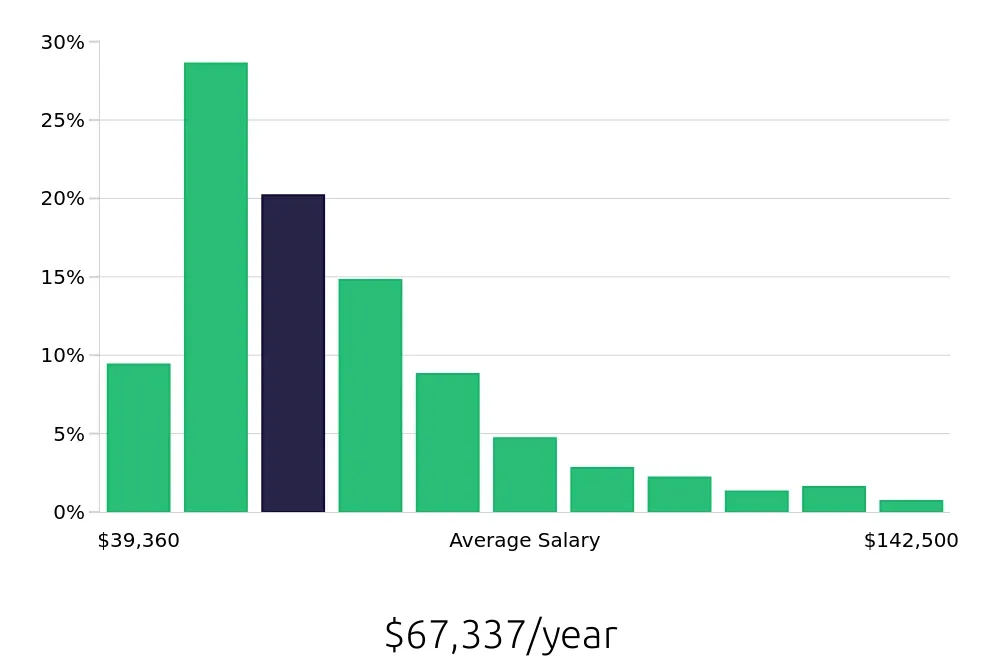
Compensation for Research Associates is competitive as well. According to the BLS, the average national annual salary stands at $62,370. This figure reflects the value placed on research roles in contributing to scientific advancements and business strategies. Additionally, the average hourly wage is $29.99, offering a good balance between time and earnings. These figures make Research Associate positions attractive to professionals seeking both job security and financial reward.
Research Associates play a critical role in numerous sectors, from healthcare to technology. This versatility allows professionals to explore different fields and industries. The demand for skilled researchers ensures that there are ample opportunities for career growth and specialization. Job seekers can look forward to a rewarding career with ample job prospects and competitive compensation.
Currently 1,265 Research Associate job openings, nationwide.
Continue to Salaries for Research Associate