Position
Overview

What does a Research Director do?

A Research Director plays a pivotal role in guiding and overseeing all research activities within a company. This professional ensures that research projects align with the company’s strategic goals. The Research Director manages a team of researchers, providing direction and support. They analyze data to derive actionable insights, ensuring the company makes informed decisions. This position requires strong leadership skills and a keen eye for detail.

The Research Director also collaborates with other departments to understand their research needs. They develop research methodologies and ensure all projects meet high standards of quality. Additionally, the Research Director communicates findings to stakeholders and senior management. This role involves staying current with industry trends and best practices. Success in this position depends on excellent organizational skills and the ability to drive research initiatives forward.

Key responsibilities of a Research Director include:

  • Supervising a team of researchers
  • Designing and implementing research projects
  • Analyzing data and presenting findings
  • Collaborating with other departments
  • Staying updated with industry trends
View Research Director jobs nearby

How to become a Research Director?

Becoming a Research Director involves a clear path of education, experience, and skill development. This role requires a blend of analytical thinking, leadership, and strategic planning. Professionals interested in this path can follow several key steps to achieve their goal.

First, a solid educational foundation is crucial. A bachelor's degree in a relevant field like social sciences, business, or engineering often serves as a starting point. Many Research Directors also pursue advanced degrees, such as a master's or Ph.D., to enhance their expertise and increase their chances of being considered for higher roles.

  1. Earn a relevant degree: Begin with a bachelor’s degree in a field such as business, social sciences, or engineering.
  2. Gain practical experience: Work in roles that provide experience in research, data analysis, and project management.
  3. Specialize in a research area: Develop expertise in a specific research domain to stand out as a specialist.
  4. Pursue advanced education: Consider a master's degree or Ph.D. to deepen your knowledge and research capabilities.
  5. Develop leadership skills: Take on roles that require managing teams and projects to build essential leadership and management skills.

How long does it take to become a Research Director?

A Research Director typically spends five to ten years in their career path. This journey starts with earning a bachelor’s degree in a related field. Gaining experience in research roles helps to build necessary skills. After earning a bachelor’s degree, professionals often pursue a master’s degree or a Ph.D. This higher education takes an additional two to four years. Gaining industry experience in various research roles provides valuable insights and skills. Working in these roles allows individuals to develop strong leadership and analytical abilities. This combination of education and experience often leads to promotion into a Research Director position.

To lead a team of researchers and shape the future of a company, one must climb the ranks to become a Research Director. This journey typically requires a solid foundation in relevant education and hands-on experience. Most often, this path starts with a bachelor’s degree in fields like business, psychology, or a related discipline. This degree lays the groundwork for understanding research methods and analytical skills.

After earning a bachelor's degree, gaining experience through positions such as research assistant or analyst positions becomes crucial. These roles allow aspiring directors to build their skills and gain valuable insights into research practices. With several years in these roles, professionals can advance to senior positions like Research Manager or Principal Researcher. Continued education through a master's degree or Ph.D. can further enhance qualifications and open doors to more senior roles. This combination of education and experience often takes about 5 to 10 years to achieve the position of Research Director.

Research Director Job Description Sample

We are seeking an experienced and visionary Research Director to lead and manage our research team. The Research Director will be responsible for developing and implementing research strategies, ensuring the quality and integrity of research projects, and fostering a culture of innovation and excellence within the team.

Responsibilities:

  • Develop and implement research strategies that align with organizational goals.
  • Oversee all aspects of research projects, including study design, data collection, analysis, and reporting.
  • Ensure the quality and integrity of research activities and outcomes.
  • Foster a culture of innovation and excellence within the research team.
  • Collaborate with cross-functional teams to integrate research findings into business strategies.

Qualifications

  • A PhD in a relevant field (e.g., Social Sciences, Health Sciences, Engineering, etc.).
  • Proven experience as a Research Director or similar leadership role in a research-intensive environment.
  • Extensive knowledge of research methodologies, data analysis techniques, and statistical software.
  • Strong leadership and management skills, with the ability to inspire and lead a team.
  • Excellent communication and interpersonal skills, with the ability to present complex information clearly and effectively.

Is becoming a Research Director a good career path?

A Research Director leads teams of researchers. They design studies, collect data, and analyze results. This role suits those who love problem-solving and working with numbers. Companies in healthcare, technology, and consumer goods often hire Research Directors. The job requires strong leadership and communication skills. It offers a chance to shape strategies and make a real impact.

Becoming a Research Director comes with its pros and cons. On the positive side, it offers high earning potential and job satisfaction. The role lets you work on challenging and interesting projects. However, it can also be demanding. Long hours and high stress are common. It requires a lot of responsibility and accountability. Balancing different projects and meeting deadlines can be tough. Consider these factors before pursuing this career.

Here are some pros and cons to think about:

  • Pros:
  • High earning potential
  • Job satisfaction from impactful work
  • Opportunities for professional growth
  • Cons:
  • Long hours and high stress
  • High responsibility and accountability
  • Balancing multiple projects can be difficult

What is the job outlook for a Research Director?

Job seekers interested in a role as a Research Director can look forward to a stable career path. The Bureau of Labor Statistics (BLS) reports an average of 44,100 job positions available each year. This steady number offers a promising outlook for those who pursue this role. The BLS also predicts a 1.6% change in job openings from 2022 to 2032, indicating consistent opportunities for professionals in this field.

One of the most attractive aspects of a career as a Research Director is the salary. According to the BLS, the average national annual compensation is $107,830. This figure reflects the value and expertise that Research Directors bring to organizations. Additionally, the average national hourly compensation is $51.84, underscoring the financial benefits of this career. These figures make the position highly desirable for those with the necessary skills and experience.

Prospective Research Directors should note that this career not only offers financial rewards but also significant professional growth. The demand for research and analysis continues to rise across various industries, ensuring a steady stream of job opportunities. With the right qualifications and experience, job seekers can look forward to a fulfilling and lucrative career as a Research Director.

Currently 46 Research Director job openings, nationwide.

Continue to Salaries for Research Director

Learn about Research Director salaries, top-paying cities, and hiring companies. See how much you could earn!
Position
Salary
Salaries For Research Director
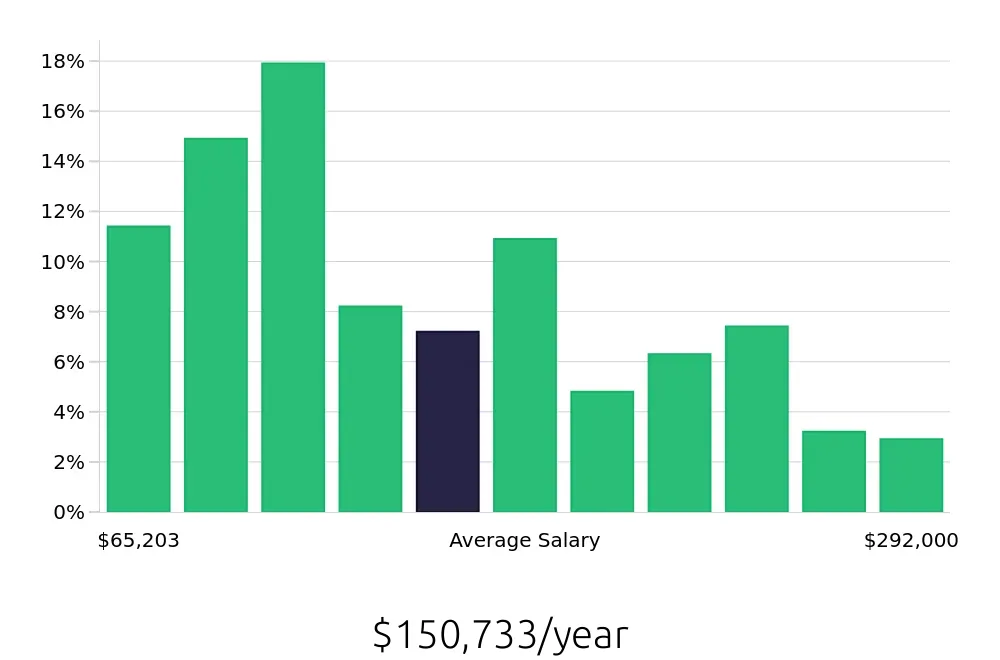
Averge salary $150,844 per year
Graph depicting the yearly salary distribution for Research Director positions, showing an average salary of $150,844 with varying distribution percentages across salary ranges.