What does a Research Manager do?
A Research Manager oversees all aspects of research projects within an organization. They design research plans, collect and analyze data, and present findings to key stakeholders. This role requires strong analytical skills and attention to detail. Research Managers work closely with team members to ensure projects meet deadlines and stay within budget. They also stay updated on industry trends and best practices to enhance research methods.
Research Managers collaborate with different departments to identify research needs. They develop surveys, conduct interviews, and utilize various research tools. This position involves managing budgets and resources effectively. Research Managers interpret complex data to provide actionable insights. They present their findings in clear, concise reports, helping organizations make informed decisions. This role is critical in driving strategic planning and improving business operations.
How to become a Research Manager?
A career as a Research Manager can be very rewarding. This role involves leading research projects and teams to uncover valuable insights. This guide provides a clear path to becoming a Research Manager. Follow these steps to advance in your career.
Firstly, gain a solid educational background. Most Research Managers hold at least a bachelor’s degree in fields like business, social sciences, or statistics. Some prefer a master's degree for higher positions. Having a strong academic foundation provides the necessary skills and knowledge.
- Gain Relevant Experience: Seek roles that involve research and data analysis. Positions in market research, academic research, or data analytics offer valuable experience.
- Develop Leadership Skills: Take on projects that require leadership. Manage teams, delegate tasks, and learn to motivate others. Leadership experience is crucial for a Research Manager.
- Build a Strong Network: Connect with professionals in the research field. Attend industry conferences, join professional associations, and engage with peers. Networking can open doors to new opportunities.
- Master Analytical Tools: Learn to use tools like SPSS, SAS, or R for data analysis. Proficiency in these tools enhances your ability to conduct and interpret research.
- Seek Advanced Roles: Apply for senior research positions or managerial roles. Gain experience in overseeing projects and managing teams. Aim for roles that offer growth and responsibility.
How long does it take to become a Research Manager?
Pursuing a career as a Research Manager involves several steps. Most individuals start with a bachelor's degree in a field like business, statistics, or social sciences. This education can take about four years. Some may choose to continue their studies, earning a master's degree. This additional study typically lasts another two to three years. A master's degree can provide a competitive edge in the job market.
Experience plays a crucial role in this career path. New graduates often begin in entry-level research positions. Over time, they gain experience and skills necessary for management roles. This process can take several years. Often, professionals work in roles such as Research Assistant, Data Analyst, or Project Coordinator before advancing to a managerial position. Gaining relevant experience usually takes three to five years. Dedication and continued learning help pave the way to becoming a Research Manager.
Research Manager Job Description Sample
The Research Manager will be responsible for overseeing and coordinating research projects to support the company's strategic goals. This role involves managing a team of researchers, analyzing data, and presenting findings to senior management. The ideal candidate will have strong analytical skills, a deep understanding of research methodologies, and experience in a leadership role.
Responsibilities:
- Develop and implement research plans and methodologies in line with company objectives.
- Lead a team of researchers, providing guidance, training, and support.
- Manage budgets and allocate resources effectively to ensure projects are completed on time and within budget.
- Analyze data and interpret findings to provide actionable insights.
- Prepare and present research reports and recommendations to senior management.
Qualifications
- Bachelor’s degree in a relevant field (e.g., Business, Social Sciences, Data Analysis). A Master’s degree or PhD is preferred.
- Proven experience as a Research Manager or similar role.
- Strong analytical and problem-solving skills.
- Excellent leadership and team management capabilities.
- Proficiency in research tools and software (e.g., SPSS, R, Python).
Is becoming a Research Manager a good career path?
A Research Manager's role involves overseeing and directing research projects to gather and analyze data. This position often involves working in various industries such as technology, healthcare, and marketing. The manager’s duties may include planning studies, managing teams, and ensuring projects meet goals. This career offers many opportunities and challenges.
Working as a Research Manager has several advantages. First, it provides a chance to work on meaningful projects that can impact businesses and society. Managers often collaborate with diverse teams and have a significant influence on project outcomes. They also have the opportunity to develop leadership skills and advance their careers. However, this role comes with its own set of challenges. Managers must handle tight deadlines and manage multiple projects at once. They need to balance team dynamics and stakeholder expectations. Additionally, they may face pressure to deliver results that meet high standards.
Here are some pros and cons of being a Research Manager:
- Pros:
- Opportunity to work on impactful projects
- Collaboration with diverse teams
- Chance to develop leadership skills
- Potential for career advancement
- Cons:
- Tight deadlines and high-pressure situations
- Balancing multiple projects and responsibilities
- Need to manage team dynamics and stakeholder expectations
- Pressure to deliver high-quality results
What is the job outlook for a Research Manager?
The job outlook for Research Managers is quite promising for those entering the field. According to the Bureau of Labor Statistics (BLS), there are around 13,600 job positions available each year. This number suggests a steady demand for professionals who can manage and direct research projects. With a 4.1 percent change expected from 2022 to 2032, the growth rate indicates a positive trend for job seekers.
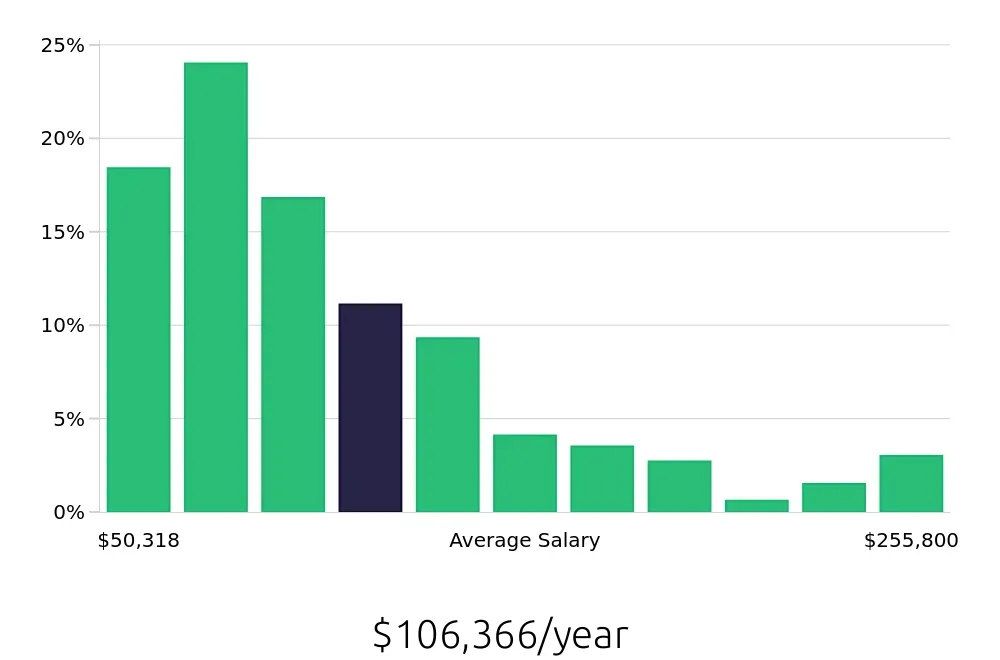
Research Managers play a crucial role in various industries, from healthcare to technology. Their ability to oversee and coordinate research projects makes them valuable assets to many companies. These professionals typically earn a strong average annual compensation of $172,290, according to BLS data. The hourly rate stands at $82.83, reflecting the high value placed on their expertise and contributions.
For job seekers, the growing demand and competitive salaries make the Research Manager role an attractive career choice. This field offers opportunities for career advancement and the chance to make significant contributions to innovative projects. With the right skills and experience, candidates can look forward to a fulfilling and financially rewarding career in research management.
Currently 137 Research Manager job openings, nationwide.
Continue to Salaries for Research Manager