What does a Residential Commercial Installer do?
A Residential Commercial Installer works with clients to design and implement electrical, plumbing, and HVAC systems in residential and commercial settings. This professional ensures that all installations meet safety codes and regulations. They work with blueprints and technical drawings to plan the layout of systems. The installer also troubleshoots and repairs any issues that arise during or after installation.
The role involves collaborating with architects, engineers, and other tradespeople to ensure the best possible outcome. This installer must have strong problem-solving skills and a keen attention to detail. They also need to communicate effectively with clients to understand their needs and explain technical information. The installer often works in challenging environments, requiring physical stamina and the ability to work at heights. This position offers opportunities to be part of meaningful projects that improve the quality of spaces where people live and work.
How to become a Residential Commercial Installer?
To become a Residential Commercial Installer, one must follow a clear and structured path. This profession involves installing systems in homes and businesses, including HVAC, electrical, and security systems. Starting this career starts with education and training.
A solid foundation starts with obtaining the necessary education. Most employers require a high school diploma or GED. Some may prefer candidates with vocational training or an associate degree in a related field. Gaining this education sets the groundwork for the next steps.
- Obtain a high school diploma or GED.
- Consider pursuing vocational training or an associate degree in fields like electrical work or HVAC.
- Gain practical experience through apprenticeships or entry-level positions.
- Obtain necessary certifications and licenses, such as those for HVAC or electrical work.
- Look for job opportunities and continue to grow skills through ongoing education and training.
With formal education complete, the next step involves gaining hands-on experience. This can be done through apprenticeships or entry-level jobs under experienced professionals. These positions provide valuable practical skills and knowledge. Additionally, certain certifications and licenses are often required by law.
Employers typically seek candidates with relevant certifications. These might include NATE certification for HVAC technicians or journeyman electrician licenses. Obtaining these credentials shows commitment and competence in the field. Finally, job seekers should actively look for opportunities within the industry. Networking and using job boards can help find the right position.
How long does it take to become a Residential Commercial Installer?
The journey to becoming a Residential Commercial Installer involves several steps. First, gaining a foundational understanding of electrical systems is essential. This can take place through formal education or on-the-job training. Most programs last between one to two years. These programs teach basic skills in reading blueprints, handling tools, and understanding safety protocols.
After completing foundational training, the next step is gaining practical experience. Many new installers start as apprentices, working under experienced professionals. This hands-on experience can take one to three years. Throughout this period, learners refine their skills and build a portfolio of completed projects. Gaining certifications in specific areas like HVAC or renewable energy can enhance job prospects and career advancement.
With adequate training and experience, professionals can then pursue certifications. These certifications validate skills and knowledge. They are often required for higher-paying positions or independent contracting. This entire process, from education to certification, typically takes three to five years.
Pursuing this career path requires dedication and continuous learning. The effort invested pays off with a rewarding career in residential and commercial installations.
Residential Commercial Installer Job Description Sample
We are seeking a skilled Residential Commercial Installer to install, maintain, and repair electrical, plumbing, and HVAC systems in residential and commercial buildings. The ideal candidate will have a solid understanding of installation procedures, safety protocols, and customer service standards.
Responsibilities:
- Install, maintain, and repair electrical, plumbing, and HVAC systems.
- Read and interpret blueprints, technical drawings, and schematics.
- Conduct regular inspections to ensure systems are functioning correctly and safely.
- Perform routine maintenance and troubleshooting on installed systems.
- Collaborate with engineers and other professionals to resolve technical issues.
Qualifications
- High school diploma or equivalent required; technical training or degree in electrical, plumbing, or HVAC preferred.
- Proven experience as a Residential Commercial Installer or similar role.
- Strong understanding of electrical, plumbing, and HVAC systems and components.
- Proficiency in reading and interpreting blueprints, technical drawings, and schematics.
- Ability to lift heavy objects and work in various positions (standing, kneeling, bending).
Is becoming a Residential Commercial Installer a good career path?
A Residential Commercial Installer finds work in the growing field of home and business technology. This role involves installing and maintaining systems like security, audio-visual, and networking equipment. People in this career enjoy working with cutting-edge technology and helping others improve their living or working environments. It is a role that combines technical skills with customer service, making it both challenging and rewarding.
Interested individuals should consider both the advantages and challenges of this career path. Working as a Residential Commercial Installer offers the chance to work on various projects, from home theaters to commercial security systems. The job often requires travel, giving installers the opportunity to see different places. However, the job can also be demanding, with long hours and the need to stay updated with the latest technology. Balancing technical expertise with good communication skills is key to success in this field.
Below are some pros and cons to think about:
- Pros:
- Variety of projects
- Opportunity to travel
- Growing demand in the industry
- Cons:
- Long and sometimes irregular hours
- Need to keep up with new technology
- Potential for physical strain
What is the job outlook for a Residential Commercial Installer?
If you are considering a career as a Residential Commercial Installer, you will find a steady demand for your skills. According to the Bureau of Labor Statistics (BLS), about 5,900 job openings are expected each year. This consistent demand offers a reliable opportunity for those entering the field. The job outlook is favorable, with a projected 3.2% growth from 2022 to 2032. This means that the demand for Residential Commercial Installers will continue to rise steadily in the coming years.
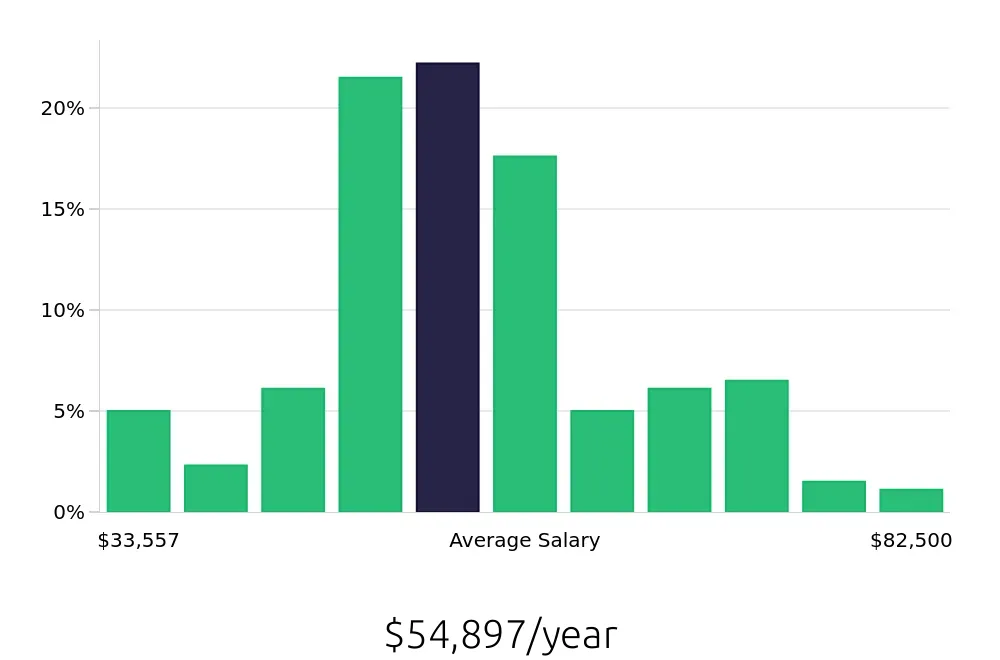
Residential Commercial Installers enjoy a competitive average annual salary of $64,740, as reported by the BLS. This compensation reflects the skill and expertise required for the role. Additionally, the average hourly wage stands at $31.12, providing good earning potential. For those seeking a stable career with the potential for financial growth, this field is a strong option to consider. The industry rewards those who take the time to learn and master their craft.
Job seekers should note that the Residential Commercial Installer role offers good employment opportunities. With a mix of steady demand, projected growth, and competitive pay, this career path is appealing. It provides a stable environment and the chance for professional development. The combination of these factors makes this career a solid choice for anyone looking to build a stable and rewarding profession.
Currently 65 Residential Commercial Installer job openings, nationwide.
Continue to Salaries for Residential Commercial Installer