What does a Residential Gas Heat Technician do?
A Residential Gas Heat Technician specializes in installing, maintaining, and repairing gas heating systems in homes. They work with various systems, including furnaces, boilers, and heat pumps. Technicians ensure these systems run efficiently and safely. They often diagnose problems, make necessary repairs, and perform routine maintenance. This role requires a strong understanding of heating systems and the ability to work with gas equipment.
Technicians must follow safety standards and local regulations when working with gas. They often work in residential settings, both indoors and outdoors. Problem-solving skills and attention to detail are essential. Technicians may also provide customers with tips on maintaining their heating systems to ensure long-term efficiency and safety. This role is crucial for keeping homes warm and comfortable during cold months.
Responsibilities of a Residential Gas Heat Technician include:
- Installing new heating systems
- Performing maintenance checks
- Diagnosing and repairing heating issues
- Ensuring compliance with safety standards
- Educating customers on system maintenance
How to become a Residential Gas Heat Technician?
Becoming a Residential Gas Heat Technician involves a series of steps that lead to a rewarding career in the HVAC industry. This career path requires technical knowledge and the ability to work with complex systems. With dedication and the right education, one can achieve this goal.
To start, understanding the basics of heating systems is crucial. This knowledge forms the foundation of all further training and experience. Below are five key steps to becoming a Residential Gas Heat Technician:
- Get a High School Diploma or GED: The first step is to complete high school or obtain a GED. This provides the basic education needed to understand more complex subjects later.
- Complete a Vocational Training Program: Enroll in a vocational school or community college. Look for programs that focus on HVAC systems. These programs offer hands-on training and classroom instruction.
- Gain Work Experience: Apply for internships or entry-level positions while still in school. Practical experience is essential to learning how to handle real-world problems.
- Pass Certification Exams: After training, take and pass the required certification exams. This step proves your knowledge and skills to potential employers.
- Obtain a License: Some areas require a license to work as a Residential Gas Heat Technician. Make sure to check local laws and apply for a license if needed.
How long does it take to become a Residential Gas Heat Technician?
The path to becoming a Residential Gas Heat Technician involves several steps. First, a high school diploma or GED is needed. Vocational training programs or apprenticeships often last between one to four years. These programs combine classroom instruction with hands-on experience.
In these training programs, individuals learn about heating systems, safety procedures, and how to fix issues with gas appliances. Each step builds the skills needed for the job. Some states require technicians to pass a licensing exam. This ensures they meet the necessary standards to work safely. Successful completion of the training and licensing process sets the foundation for a rewarding career in residential gas heating.
Residential Gas Heat Technician Job Description Sample
As a Residential Gas Heat Technician, you will be responsible for installing, maintaining, and repairing gas heating systems in residential properties. Your expertise will ensure the safe and efficient operation of heating systems, providing warmth and comfort to homeowners.
Responsibilities:
- Install, maintain, and repair gas heating systems in residential properties.
- Perform routine inspections and maintenance on heating systems to ensure optimal performance.
- Diagnose and troubleshoot issues with heating systems, identifying necessary repairs or replacements.
- Conduct safety checks and ensure compliance with local building codes and regulations.
- Repair or replace faulty parts, such as burners, heat exchangers, and control systems.
Qualifications
- High school diploma or equivalent required; technical training or associate's degree in HVAC/R preferred.
- Valid state or local licensure or certification as a heating technician.
- Minimum of 2-3 years of experience in residential gas heating systems.
- Strong understanding of gas heating systems, controls, and safety protocols.
- Proficiency in using hand and power tools, diagnostic equipment, and testing instruments.
Is becoming a Residential Gas Heat Technician a good career path?
A Residential Gas Heat Technician specializes in installing, maintaining, and repairing heating systems in homes. This role involves working on furnaces, boilers, and other heating equipment. Technicians must understand how gas and electrical systems function. They also need skills in using various tools and equipment.
The job offers hands-on work that makes each day different. Technicians often work with homeowners, helping to ensure their comfort. This role can lead to job stability and the chance to build relationships within a community. However, it may require working in various weather conditions and sometimes at inconvenient hours. Technicians must also stay updated on new technologies and safety standards.
Here are some pros and cons of this career:
- Pros:
- Hands-on work with practical skills
- Job stability and demand
- Opportunities to build customer relationships
- Potential for higher earnings with experience
- Cons:
- Possible exposure to weather elements
- Need to work outside regular business hours
- Requirement to stay updated with technology
- Safety concerns when working with gas
What is the job outlook for a Residential Gas Heat Technician?
The job outlook for Residential Gas Heat Technicians looks promising for those seeking a stable career in heating and cooling systems. According to the Bureau of Labor Statistics (BLS), the average number of job positions available each year is 5,900. This steady demand shows that professionals with the right skills can find plenty of opportunities in this field.
Looking ahead, the BLS projects a 3.2% growth in job openings for Residential Gas Heat Technicians from 2022 to 2032. This growth rate is a positive sign for job seekers who want to build a career in residential heating. As more homes require heating system maintenance and installation, the need for skilled technicians will continue to grow.
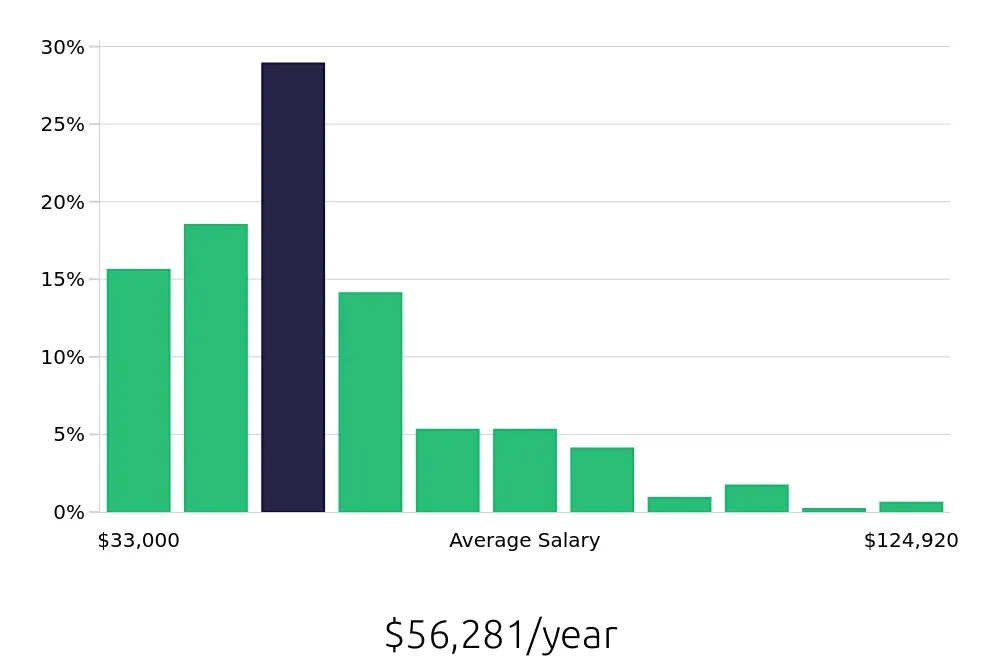
Residential Gas Heat Technicians also enjoy a strong average annual salary. The BLS reports that the national average annual compensation is $64,740. This figure highlights the earning potential for those who pursue this career path. With competitive wages and a stable job market, becoming a Residential Gas Heat Technician can offer both professional growth and financial stability.
Currently 219 Residential Gas Heat Technician job openings, nationwide.
Continue to Salaries for Residential Gas Heat Technician