What does a Residential Specialist do?
A Residential Specialist ensures that housing units are well-maintained and meet all safety standards. This role involves regular inspections of the properties to check for any maintenance issues. Specialists also work closely with tenants to address their concerns and make necessary repairs. They coordinate with maintenance teams to schedule repairs and ensure work is completed efficiently. This role requires good communication skills and the ability to handle various tasks simultaneously. Working as a Residential Specialist means being proactive in keeping housing conditions safe and comfortable for all residents.
In this position, the Residential Specialist handles various duties that include managing tenant complaints, scheduling maintenance work, and ensuring all housing units comply with health and safety regulations. They also conduct regular property tours to identify any needed repairs or improvements. The Specialist works with budget plans to allocate funds for necessary upgrades and maintenance. This role demands attention to detail and the ability to prioritize tasks effectively. By fulfilling this role, the Residential Specialist plays a crucial part in maintaining a high-quality living environment for all residents.
Key responsibilities of a Residential Specialist include:
- Conducting property inspections
- Addressing tenant concerns
- Coordinating with maintenance teams
- Ensuring compliance with regulations
- Managing repair schedules
- Handling budget allocations
How to become a Residential Specialist?
Becoming a Residential Specialist is a rewarding career path for those interested in real estate and customer service. This role involves helping people find their ideal home, understanding their needs, and guiding them through the home-buying process. To embark on this career, follow the steps below to ensure a smooth transition into this profession.
The first step is to complete an education that focuses on real estate or a related field. Many community colleges and universities offer programs in real estate, real estate management, or business. This education provides a foundation in real estate principles, market trends, and customer service. The next step is to gain experience in the real estate industry. Internships, part-time jobs, or volunteer work with real estate agencies can offer valuable insights and hands-on experience. These opportunities allow individuals to learn from experienced professionals and understand the day-to-day operations of a real estate office.
Another essential step is to obtain a real estate license. Licensing requirements vary by state, but typically involve completing a pre-licensing course and passing a state exam. This license is crucial for legally representing clients and conducting real estate transactions. Networking with industry professionals is also important. Attending real estate seminars, joining local real estate associations, and connecting with peers can open doors to job opportunities and provide support throughout the career.
- Complete an education in real estate or a related field.
- Gain experience through internships or part-time work.
- Obtain a real estate license by passing the state exam.
- Network with industry professionals through seminars and associations.
- Continuously update skills and knowledge through ongoing education.
How long does it take to become a Residential Specialist?
A Residential Specialist may work in various roles, including home energy advisor or inspector. This career path offers a rewarding journey through multiple steps. Most people complete this process in 1 to 5 years. The time it takes can vary based on several factors.
First, someone may begin by earning a high school diploma or GED. This initial step usually takes 4 years. After high school, a person can choose to attend a vocational school or community college. These programs can last 1 to 2 years. During this time, individuals learn about building codes, energy efficiency, and home inspections. Some may also gain certifications. These can include LEED accreditation or state-specific home inspector licenses. Once qualified, individuals can then seek employment. They can start as an assistant or entry-level inspector. With experience, they can advance to a full Residential Specialist role.
Residential Specialist Job Description Sample
The Residential Specialist is responsible for ensuring the quality and safety of residential properties. This role involves conducting inspections, maintaining records, and working with residents to improve living conditions.
Responsibilities:
- Conduct regular inspections of residential properties to ensure compliance with safety and health standards.
- Maintain accurate records of inspections, repairs, and resident complaints.
- Coordinate with maintenance staff to address any identified issues promptly.
- Communicate with residents to address their concerns and provide updates on property conditions.
- Develop and implement policies and procedures to enhance residential living standards.
Qualifications
- High school diploma or equivalent required; bachelor's degree in a related field preferred.
- Proven experience in residential property management or a related field.
- Knowledge of housing codes and regulations.
- Strong communication and interpersonal skills.
- Ability to work independently and as part of a team.
Is becoming a Residential Specialist a good career path?
A Residential Specialist focuses on home inspections and property management. This role allows professionals to interact with clients, assess property conditions, and ensure homes meet safety standards. The job often requires visiting various properties, making it dynamic and varied. A Residential Specialist can find work with real estate agencies, government bodies, or private companies.
Working in this field offers several benefits. Specialists gain experience in property management and inspection, which can lead to career advancement. The job provides a chance to work outdoors and meet new people. It also offers opportunities to help clients improve their living conditions. However, some challenges exist. The role can be physically demanding and may involve working in all weather conditions. Specialists also need to handle difficult situations, such as finding property issues.
Consider these points when thinking about a career as a Residential Specialist:
- Pros:
- Variety in daily tasks and locations
- Opportunities for career growth and advancement
- Helping clients improve their homes
- Good pay for experienced specialists
- Cons:
- Physical demands of the job
- Exposure to all weather conditions
- Dealing with challenging situations
- Potential for irregular working hours
What is the job outlook for a Residential Specialist?
The role of a Residential Specialist offers a promising career path with solid job prospects. The Bureau of Labor Statistics (BLS) reports an average of 17,600 job positions open each year. This suggests a steady demand for professionals in this field. Job seekers can expect a stable employment environment, making it an attractive choice for those looking to build a career.
Looking ahead, the job outlook for Residential Specialists remains positive. The BLS forecasts a 6% growth in job openings from 2022 to 2032. This growth rate indicates a favorable trend, offering more opportunities for new entrants to the job market. Aspiring professionals can look forward to increased demand in this sector over the next decade.
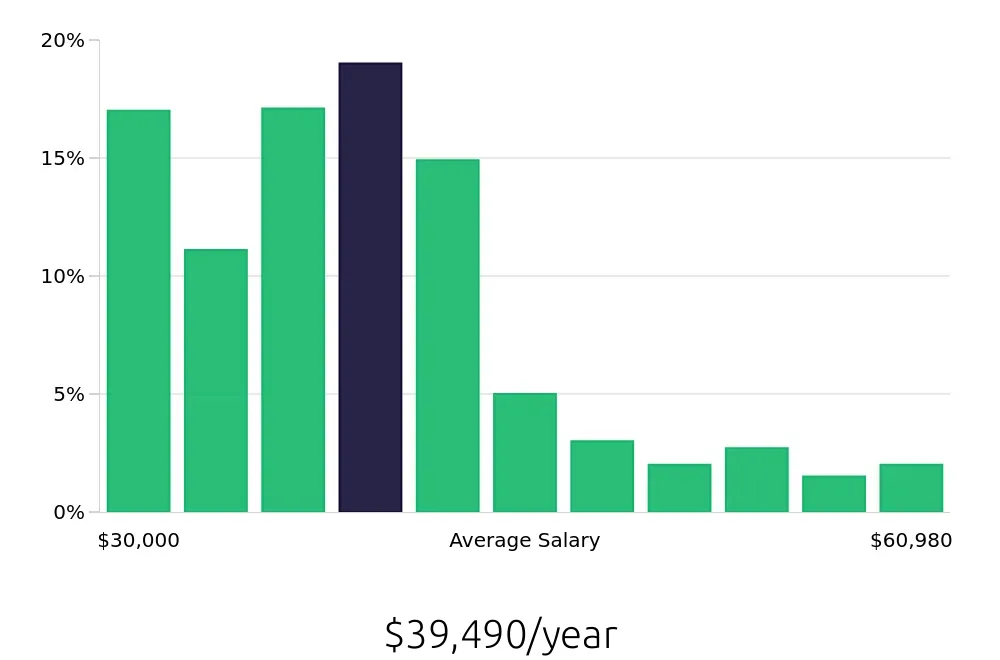
In terms of compensation, Residential Specialists earn a competitive average of $40,200 annually, according to the BLS. This figure reflects a stable and rewarding career choice. Hourly compensation stands at $19.33, which is attractive for those seeking a good work-life balance. These figures make the profession a viable option for job seekers prioritizing financial stability and growth.
Currently 307 Residential Specialist job openings, nationwide.
Continue to Salaries for Residential Specialist