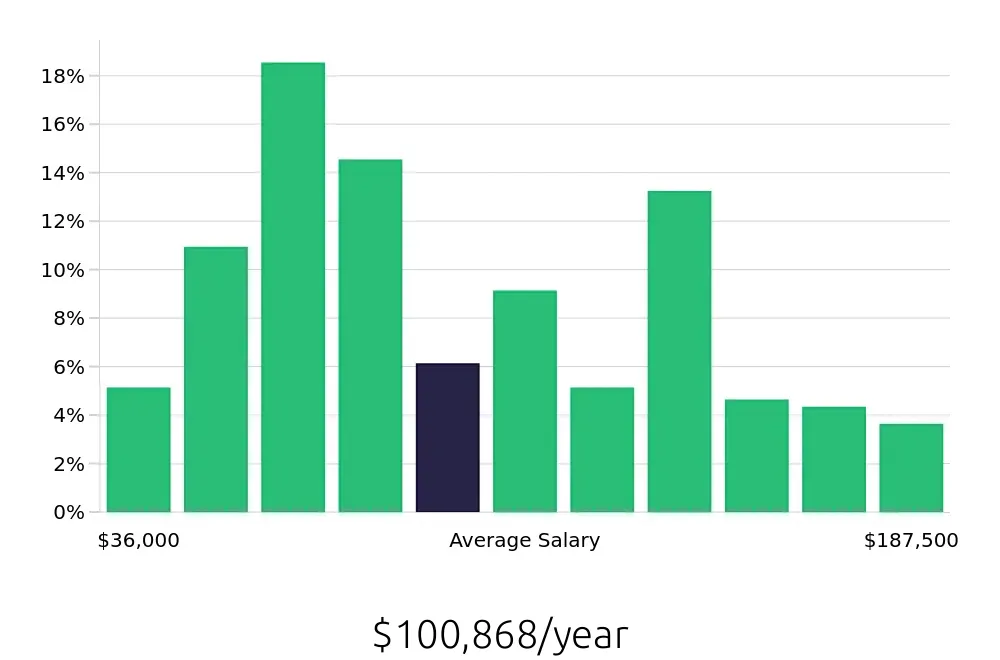
What does a Resource Specialist do?
A Resource Specialist plays a crucial role in ensuring that teams and projects have the necessary materials and information to succeed. This role involves managing and organizing resources to support day-to-day operations. The Resource Specialist communicates with various departments to understand their needs and coordinates the distribution of resources efficiently.
Key responsibilities include maintaining inventory, ordering supplies, and ensuring that resources are available when needed. The Specialist also assists in tracking resource usage and provides reports to help management make informed decisions. This position requires excellent organizational skills and the ability to work well under pressure. The Resource Specialist helps to streamline operations and support the overall success of the organization.
Key tasks may include:
- Managing and maintaining inventory records
- Ordering and receiving supplies and materials
- Assisting in budget management for resources
- Providing support to various departments
- Generating reports on resource usage and availability
How to become a Resource Specialist?
A Resource Specialist is an important role for many organizations. This person helps to manage resources and ensures that everything runs smoothly. Becoming a Resource Specialist can be a rewarding career. It requires specific steps to achieve. Follow these steps to start your journey.
First, gaining the right education is crucial. Most Resource Specialist roles need at least a high school diploma. Some positions might ask for a degree in a related field. Classes in business, management, or information technology can help. Look for programs that offer courses in these areas.
- Education: Obtain a high school diploma or GED. A degree in a relevant field can be helpful.
- Skills: Develop strong communication, organization, and problem-solving skills. Experience with computer software and databases is also valuable.
- Experience: Gain experience through internships or entry-level jobs. Look for roles that allow you to work with resources.
- Networking: Connect with professionals in the field. Attend job fairs and industry events. Join relevant professional groups.
- Applying: Search for job openings. Tailor your resume and cover letter to each position. Apply to multiple jobs to increase your chances.
Second, developing key skills is important. Resource Specialists need to be good at communicating. They must organize information well. Problem-solving skills are also essential. Using computers and databases can be part of the job. Taking courses or workshops can help build these skills.
How long does it take to become a Resource Specialist?
Time commitment varies for becoming a Resource Specialist. Most enter this role with a relevant degree, typically taking four years to complete. Some specialize further with a master's degree, adding another two years. Internships or entry-level positions help gain experience. These roles often need 1-2 years before advancing.
The journey can be shorter for those with prior experience in related fields. Certificates and training programs offer quicker pathways. These often last from a few months to a year, depending on the program and prior knowledge. On-the-job training adds flexibility and can speed up the process. Real-world experience often complements academic learning, making it easier to find roles sooner.
Resource Specialist Job Description Sample
The Resource Specialist plays a crucial role in identifying, acquiring, and managing the resources necessary for the organization to achieve its goals. This position is responsible for ensuring that all resources are utilized effectively and efficiently, and that the organization's resource needs are met in a timely manner. The Resource Specialist must possess strong analytical and organizational skills, and be able to work collaboratively with various departments to ensure the smooth operation of resource management processes.
Responsibilities:
- Identify and assess resource needs of the organization.
- Develop and implement strategies for acquiring and managing resources.
- Conduct market research and analysis to identify potential resource suppliers and partners.
- Negotiate contracts and agreements with resource providers.
- Ensure compliance with all relevant regulations and standards.
Qualifications
- Bachelor’s degree in Business Administration, Management, Supply Chain Management, or a related field.
- Minimum of 3-5 years of experience in resource management or a related role.
- Proven experience in contract negotiation and supplier management.
- Strong analytical and problem-solving skills.
- Excellent organizational and project management skills.
Is becoming a Resource Specialist a good career path?
Working as a Resource Specialist involves managing and coordinating resources, which can be both rewarding and challenging. This role often requires strong organizational skills and the ability to work well with others. Resource Specialists may find themselves in a variety of industries, from healthcare to education to government, providing essential support in resource allocation and management.
A Resource Specialist's responsibilities can include analyzing needs, coordinating resources, and ensuring that materials and services are used effectively. This career path offers opportunities for professional growth and the chance to make a tangible impact on an organization's operations. However, the role also comes with its set of challenges and considerations.
Here are some pros and cons to consider for this career path:
- Pros:
- You can work in many different industries.
- You get to play a key role in helping organizations run smoothly.
- There are opportunities for professional development.
- The job can be very satisfying when you see the impact of your work.
- Cons:
- The job can be stressful, especially during busy times.
- It requires strong communication skills and the ability to work in a team.
- Sometimes, the role involves dealing with difficult people or situations.
- There can be a lot of paperwork and administrative tasks.
What is the job outlook for a Resource Specialist?
Job seekers looking to enter or advance in the field of resource management will find the role of a Resource Specialist quite promising. According to the Bureau of Labor Statistics (BLS), this profession sees an average of 6,500 job openings per year. With a projected job openings percent change of 4.8% from 2022 to 2032, this field is expected to grow steadily, offering many opportunities for career growth and stability.
The demand for Resource Specialists stems from their critical role in managing and analyzing resources. They often work in sectors like government, healthcare, and education, ensuring that resources are used efficiently and effectively. This need is expected to grow, especially as organizations continue to focus on optimizing their resource management processes. With an average national annual compensation of $169,120 and an hourly rate of $81.31, the financial rewards are also quite appealing.
For job seekers, the outlook for Resource Specialists is positive. This profession provides a stable career path with good growth potential and attractive compensation. As organizations place more emphasis on effective resource management, the demand for skilled professionals in this area will continue to rise. Interested candidates should take note of these favorable trends when considering a career in resource management.
Currently 47 Resource Specialist job openings, nationwide.
Continue to Salaries for Resource Specialist