What does a Respiratory Therapist do?
A Respiratory Therapist works with patients who have trouble breathing. They care for people who have lung diseases or who need help breathing. This might include babies in intensive care, adults in hospitals, or people who visit clinics. They use special machines to help patients breathe better. They also teach patients how to use these machines at home. Respiratory Therapists work in hospitals, clinics, and long-term care facilities. They often work with doctors and nurses to create care plans for each patient.
The job of a Respiratory Therapist involves many important tasks. They check patients' lung function and give treatments to improve breathing. They set up and monitor equipment like oxygen tanks and ventilators. They also check the levels of oxygen and carbon dioxide in the blood. Respiratory Therapists must be detail-oriented and able to work well under pressure. They need to be ready to respond quickly if a patient’s condition changes. This role requires excellent communication skills to work with patients, families, and other healthcare professionals. It is a rewarding job that makes a big difference in people's lives.
How to become a Respiratory Therapist?
Becoming a Respiratory Therapist offers a rewarding career helping patients with breathing and other cardiopulmonary disorders. This profession requires specific education and certification. The journey to becoming a Respiratory Therapist involves several key steps. Each step is crucial to ensure competency and adherence to professional standards.
Here are the steps to become a Respiratory Therapist:
- Obtain a high school diploma or GED. A solid foundation in science and math is beneficial.
- Enroll in an accredited Respiratory Therapy program. These programs often take two years and include classroom and clinical practice.
- Complete the program and gain clinical experience. Programs may require a certain number of clinical hours.
- Pass the licensure exams. These include the Therapist Multiple-Choice Examination and the Clinical Simulation Examination.
- Consider certification. The National Board for Respiratory Care offers several levels of certification, which can enhance career prospects.
How long does it take to become a Respiratory Therapist?
Aspiring Respiratory Therapists can find this career both rewarding and fulfilling. To begin, individuals need to meet certain educational and practical requirements. Most enter the field through an associate’s degree in Respiratory Therapy. This program usually takes two years to complete. During this time, students learn important skills such as anatomy, patient care, and respiratory equipment operation.
After earning the associate’s degree, graduates must pass the National Board for Respiratory Care exams. This step is key to becoming a licensed professional. Many employers also require candidates to have clinical experience. This often includes internships or supervised practice in hospitals. Successful candidates can then find employment in various healthcare settings, such as hospitals, clinics, and home care agencies. Overall, the journey to becoming a Respiratory Therapist involves commitment but offers a stable and impactful career path.
Respiratory Therapist Job Description Sample
A Respiratory Therapist is a healthcare professional who specializes in treating patients with respiratory conditions. They work under the supervision of physicians and nurses to administer respiratory therapy, manage ventilators, and perform diagnostic tests to assist in the treatment of patients with pulmonary disorders.
Responsibilities:
- Assess and treat patients with respiratory conditions using various techniques and equipment.
- Monitor and administer prescribed medications, such as oxygen therapy and aerosols.
- Set up, operate, and maintain equipment such as mechanical ventilators, oxygen delivery devices, and other respiratory equipment.
- Perform diagnostic tests such as pulmonary function tests, arterial blood gas analysis, and blood gas sampling.
- Educate patients and their families about their respiratory conditions and how to manage them effectively.
Qualifications
- An Associate's or Bachelor's degree in Respiratory Therapy from an accredited program.
- Licensure as a Respiratory Therapist in the state of employment.
- Certification by the National Board for Respiratory Care (NBRC) as a Certified Respiratory Therapist (CRT) or Registered Respiratory Therapist (RRT) preferred.
- Strong knowledge of respiratory equipment and technology.
- Excellent communication and interpersonal skills.
Is becoming a Respiratory Therapist a good career path?
A Respiratory Therapist helps people who have trouble breathing. They work in hospitals, clinics, and even at patients' homes. They use special tools and machines to help patients breathe better. This job needs strong skills in science and caring for others. It allows a person to make a real difference in people’s lives every day.
Working as a Respiratory Therapist has its pros and cons. On the positive side, the job often offers good pay and benefits. People in this field can find work in many places, from big cities to small towns. They also have many opportunities to learn and grow in their careers. However, the job can be stressful. Therapists often work long hours and may deal with serious medical situations. The work can be physically demanding as well. Despite these challenges, many find the job rewarding and fulfilling.
Here are some pros and cons to consider:
- Pros:
- Good pay and benefits
- Many job opportunities
- Chances to learn and grow
- Cons:
- Long and stressful hours
- Dealing with serious medical situations
- Physical demands of the job
What is the job outlook for a Respiratory Therapist?
Respiratory therapists play a crucial role in healthcare, working with patients who have trouble breathing. They provide essential treatments and support. If you are a job seeker interested in this field, the outlook is positive. The Bureau of Labor Statistics (BLS) reports an average of 51,700 job openings each year. This number is expected to grow by 14.2% from 2022 to 2032, which is much faster than the average for all occupations.
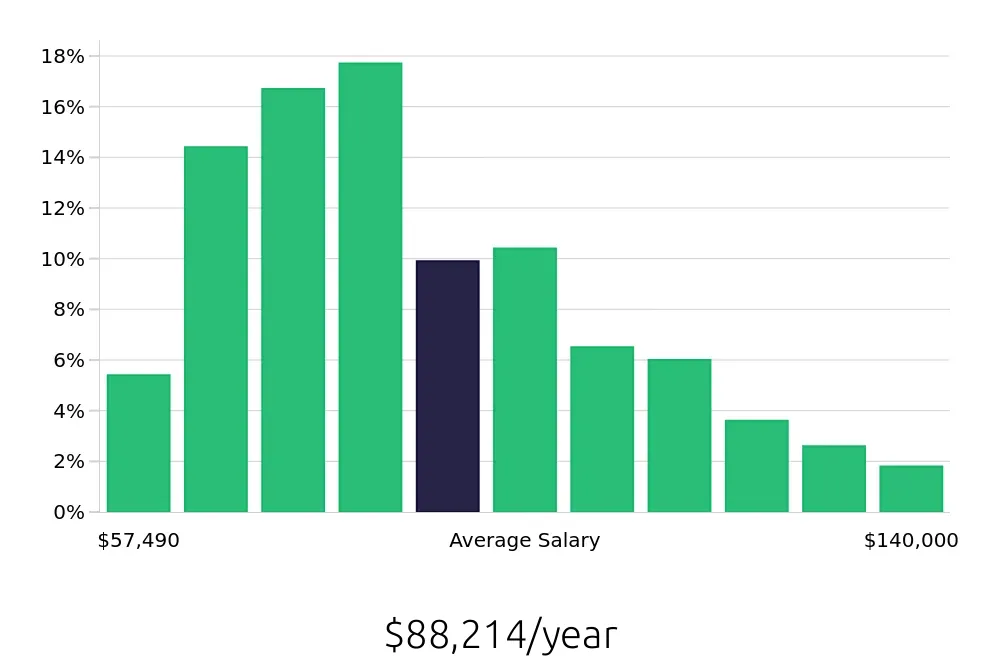
Respiratory therapists enjoy a rewarding career with good pay. According to BLS data, the average annual salary is $92,670. The average hourly pay is $44.55. This compensation reflects the importance of the work and the specialized skills required. The high demand for respiratory therapists means job seekers have plenty of opportunities.
Job seekers interested in becoming a respiratory therapist will find a growing field with many opportunities. The combination of strong job growth, competitive salary, and in-demand skills makes this a great career choice. Those interested in helping others and enjoying a stable career should consider becoming a respiratory therapist.
Currently 3,063 Respiratory Therapist job openings, nationwide.
Continue to Salaries for Respiratory Therapist