What does a Restaurant Manager do?
A Restaurant Manager oversees the smooth operation of a restaurant. They coordinate the staff and ensure customers receive excellent service. This role involves managing the kitchen, handling finances, and ensuring food quality meets high standards. Managers also interact with suppliers and handle inventory. They set goals for the restaurant and work to achieve them. This position requires strong leadership and communication skills.
The Restaurant Manager schedules staff and ensures shifts are covered. They monitor food quality and taste to keep customers satisfied. Managers also handle customer complaints and work to resolve issues. They help train new staff and provide ongoing support. This role involves working long hours, sometimes on weekends and holidays. It is a demanding job that requires attention to detail and the ability to handle stress. A successful manager ensures the restaurant runs efficiently and customers have a great dining experience.
How to become a Restaurant Manager?
Becoming a Restaurant Manager involves a blend of education, experience, and personal skills. This role requires dedication and a clear path to follow. Below are five essential steps to guide someone on this career path.
Firstly, gain experience in the food service industry. Work in entry-level positions such as a server or cook. This hands-on experience helps understand the restaurant environment. It also provides insight into customer service and operations. Secondly, pursue formal education. Consider a degree in hospitality management or a related field. This can be beneficial for learning about business practices and food service regulations.
Additionally, develop key skills. These include leadership, communication, and problem-solving. Practice these skills in your current role. Seek opportunities to manage shifts or lead small teams. Networking with other industry professionals can also provide valuable insights and advice. Thirdly, gain managerial experience. Apply for assistant manager or similar roles. These positions offer a chance to oversee daily operations. They also provide an opportunity to learn from seasoned managers.
- Gain experience in food service.
- Pursue formal education.
- Develop key skills.
- Gain managerial experience.
- Continuously seek professional growth.
Lastly, continuously seek professional growth. Attend workshops, seminars, and industry events. Stay updated on the latest trends and technologies in the restaurant industry. Joining professional organizations can also provide opportunities for learning and networking.
How long does it take to become a Restaurant Manager?
The path to becoming a Restaurant Manager varies based on experience and education. Most managers have a high school diploma or equivalent. Some have a bachelor's degree in hospitality management or a related field. Many start as entry-level employees and work their way up through the ranks.
Typically, it takes 2 to 5 years to move from entry-level positions to a management role. Some managers gain experience in other industries first. They may switch careers and enter the restaurant industry later. Internships and job shadowing can help speed up the process. These opportunities provide valuable insights and connections. Networking with current managers can also lead to job openings. Gaining diverse experience in different areas of the restaurant helps prepare someone for a management role.
Restaurant Manager Job Description Sample
We are seeking an experienced and dynamic Restaurant Manager to oversee daily operations, ensure a positive guest experience, and manage staff effectively. The ideal candidate will have a passion for the hospitality industry and a talent for creating a welcoming atmosphere.
Responsibilities:
- Oversee daily restaurant operations to ensure high levels of customer satisfaction.
- Manage, train, and motivate staff to maintain a high standard of service.
- Develop and implement policies and procedures to ensure efficient and effective operations.
- Monitor and control food costs, inventory, and waste.
- Maintain compliance with health, safety, and sanitation regulations.
Qualifications
- Bachelor’s degree in Hospitality Management, Business Administration, or related field.
- Minimum of 5 years of experience in a management role within the restaurant industry.
- Proven track record of successfully managing a restaurant and achieving sales targets.
- Strong leadership and team management skills.
- Excellent communication, interpersonal, and organizational skills.
Is becoming a Restaurant Manager a good career path?
A career as a restaurant manager offers a unique blend of opportunities. This role sits at the heart of a restaurant’s operations, making it a pivotal position. Restaurant managers oversee daily activities, manage staff, and ensure customer satisfaction. This hands-on role provides a dynamic work environment, requiring a combination of culinary knowledge and business acumen. A restaurant manager must juggle multiple responsibilities, from handling finances to coordinating events.
For those considering this path, there are several pros to weigh. Firstly, restaurant managers have the chance to be part of a vibrant team. They work alongside chefs, servers, and other staff, creating a collaborative atmosphere. This role also offers flexibility in hours, often including evenings and weekends. Many managers find the fast-paced nature of the job exciting and rewarding. However, it is not without its challenges. The job can be stressful, with long hours and high expectations. Managers must also deal with difficult customers and handle staff issues. Balancing these aspects is key to succeeding in this career.
Here are some pros and cons to consider:
- Pros:
- Being part of a dynamic team
- Flexible work hours
- Exciting and fast-paced environment
- Opportunities for growth and advancement
- Cons:
- High stress levels
- Long and irregular hours
- Dealing with difficult customers
- Managing staff issues
What is the job outlook for a Restaurant Manager?
The role of a Restaurant Manager offers a promising career path for job seekers with the right skills and experience. According to the Bureau of Labor Statistics (BLS), this profession sees about 439,300 positions available each year. This number provides ample opportunity for individuals to find a job. With a projected growth of 6.4% from 2022 to 2032, the demand for Restaurant Managers is on the rise. This trend suggests that more businesses will need qualified managers to lead their teams.
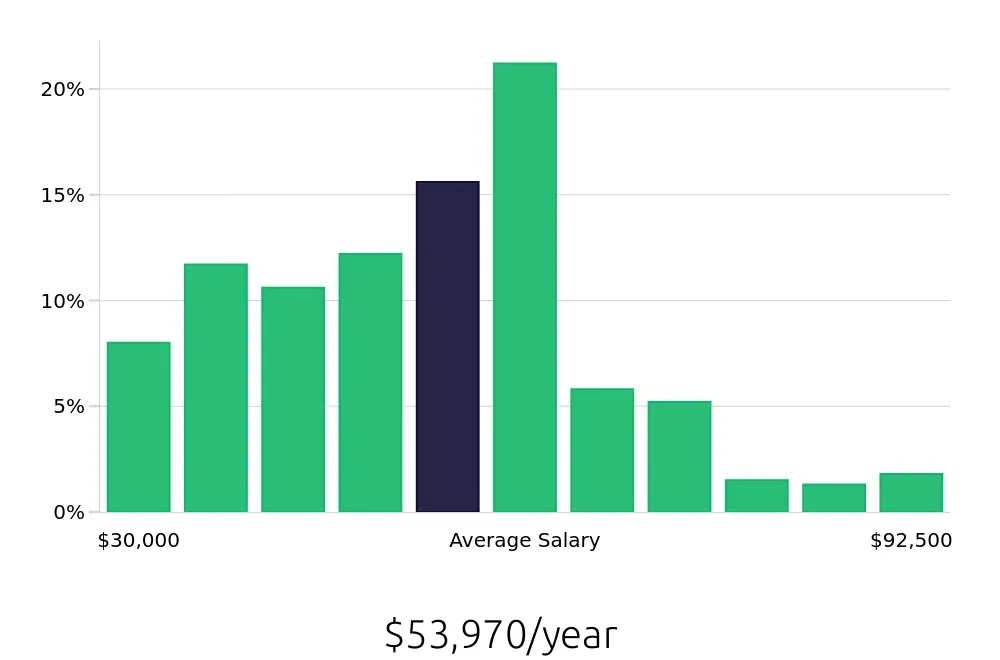
Financially, Restaurant Managers can expect a competitive salary. The average annual compensation stands at $34,360, as reported by the BLS. This income reflects the hard work and dedication managers bring to their roles. On an hourly basis, the average compensation is $16.52. This pay rate indicates the value businesses place on the leadership and operational skills of Restaurant Managers. These figures make the job attractive to those seeking stability and growth in their careers.
For job seekers, the outlook for Restaurant Managers is positive. The combination of job availability, growth potential, and reasonable compensation makes this a viable career choice. With the right qualifications and a passion for the food industry, individuals can look forward to a rewarding career as a Restaurant Manager.
Currently 3,355 Restaurant Manager job openings, nationwide.
Continue to Salaries for Restaurant Manager