What does a Restaurant Manager do?
A Restaurant Manager plays a crucial role in running the daily operations of a restaurant. This professional oversees the kitchen and dining area, ensuring that everything runs smoothly. They manage staff, create schedules, and handle customer service. A Restaurant Manager also handles inventory, orders supplies, and maintains financial records. They work closely with the chef to ensure high-quality food and service. Managers need to be organized, detail-oriented, and good at problem-solving.
The Restaurant Manager also plays a key part in creating a welcoming atmosphere for guests. They must keep the dining area clean and ensure that staff are well-trained and professional. Managers often work with the marketing team to develop specials and promotions. This role requires strong communication skills and the ability to work under pressure. Many managers also focus on customer satisfaction, aiming to create an enjoyable dining experience for everyone. A successful Restaurant Manager balances efficiency and hospitality to keep the restaurant thriving.
How to become a Restaurant Manager?
Becoming a restaurant manager offers a rewarding career with lots of opportunities. This role requires a mix of skills and experience. Follow these steps to start your journey in restaurant management.
Start by gaining experience in the restaurant industry. Work in different roles like server, cook, or kitchen staff. Learn about all parts of the restaurant. This hands-on experience builds a strong foundation. It helps understand the daily operations and challenges of running a restaurant.
- Earn a high school diploma or GED. Many employers need this basic education. It shows a commitment to learning.
- Gain restaurant experience. Work in various roles. Learn about customer service, kitchen operations, and management.
- Consider formal education. Look into culinary or hospitality programs. These courses offer specialized training and can improve job chances.
- Seek a management position. Apply for roles like assistant manager or shift manager. These jobs offer more responsibility and leadership experience.
- Develop key skills. Focus on leadership, communication, and problem-solving. These skills are crucial for managing a restaurant successfully.
How long does it take to become a Restaurant Manager?
Most people learn to be restaurant managers through a mix of education, experience, and training. Many managers start as waiters or kitchen staff and work their way up. This journey can take several years. Some managers complete a 2-year associate degree in hospitality management. Others earn a bachelor's degree, which takes about 4 years. In-depth training and practical experience at work often add to this time.
Managers need to know how to run the daily operations of a restaurant. They must handle staff, manage inventory, and ensure customer satisfaction. Some managers focus on specific areas like food service or hospitality management. This specialization can change the time needed to reach the manager role. Job seekers should consider all these factors when planning their career path. Experience and education combine to shape the time it takes to become a restaurant manager.
Restaurant Manager Job Description Sample
We are seeking a dynamic and experienced Restaurant Manager to oversee the daily operations of our restaurant, ensuring an exceptional customer experience and maintaining high standards of service and quality. The ideal candidate should have strong leadership skills, a passion for the culinary industry, and the ability to manage multiple tasks effectively.
Responsibilities:
- Supervise and coordinate the activities of kitchen staff, waitstaff, and bartenders.
- Maintain restaurant standards, including food quality, presentation, and service.
- Develop and implement strategies to improve customer satisfaction and retention.
- Manage inventory, food costs, and waste to optimize profitability.
- Handle employee scheduling, training, and performance evaluations.
Qualifications
- Bachelor's degree in Hospitality Management, Culinary Arts, or related field preferred.
- Proven experience as a Restaurant Manager or similar role.
- Strong leadership and team management skills.
- Excellent communication and interpersonal skills.
- In-depth knowledge of food and beverage service standards.
Is becoming a Restaurant Manager a good career path?
Managing a restaurant offers a dynamic career filled with challenges and rewards. This role involves overseeing daily operations, ensuring customer satisfaction, and managing staff. A restaurant manager coordinates various functions to keep the business running smoothly. This job requires a blend of leadership, customer service, and business acumen.
A restaurant manager plays a critical role in the hospitality industry. This position demands multitasking and quick decision-making. Managers must handle busy schedules, from opening and closing duties to handling complaints and training staff. The role can be rewarding for those who enjoy a fast-paced environment and take pride in creating a positive dining experience for customers.
Like any job, being a restaurant manager has its pros and cons. Here are some points to consider:
- Pros:
- Work in a lively environment
- Interact with people daily
- Opportunity to lead a team
- Potential for career growth
- Cons:
- Long and unpredictable hours
- Dealing with challenging customers
- High-pressure situations
- Possible need to work on weekends and holidays
What is the job outlook for a Restaurant Manager?
The job outlook for Restaurant Managers is positive, offering a promising path for job seekers. The Bureau of Labor Statistics (BLS) reports an average of 439,300 job positions per year, indicating a steady demand in this field. This outlook is further supported by a projected growth of 6.4% from 2022 to 2032, suggesting more opportunities in the coming years.
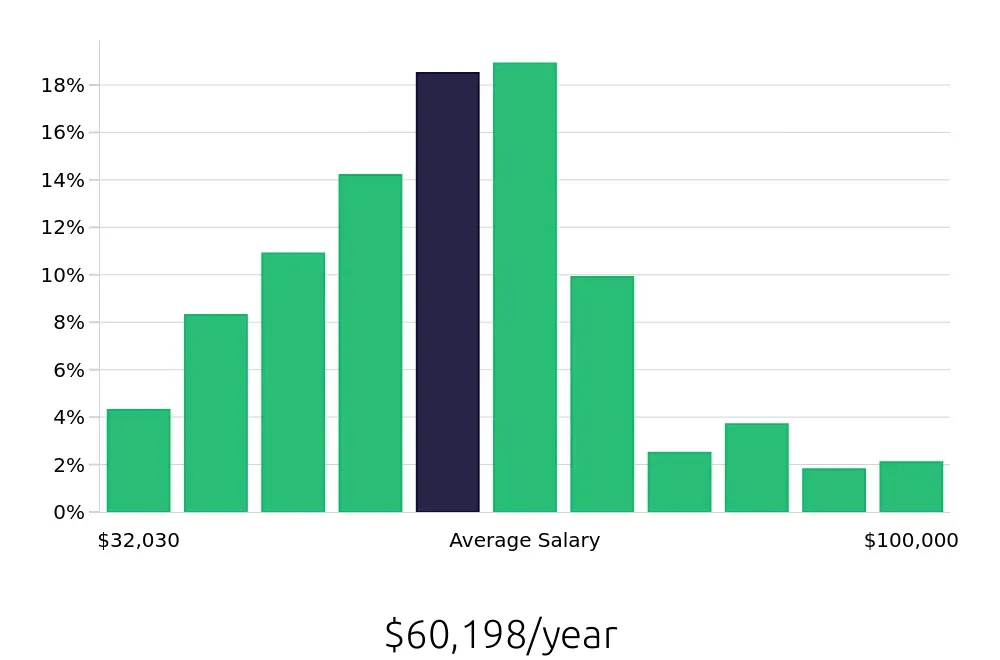
Aspiring Restaurant Managers can expect an average annual salary of $34,360, with an hourly rate of $16.52, according to BLS data. These figures reflect a stable and competitive compensation package, appealing to those entering or transitioning into the industry. With these attractive figures, the role of a Restaurant Manager presents a viable career option for many professionals.
Job seekers interested in this role will find a market that values experienced candidates. Roles in this industry often require a blend of leadership skills and culinary knowledge, making it a rewarding choice for those who enjoy both management and the culinary arts. The combination of a strong job outlook and satisfactory compensation makes Restaurant Management an appealing choice for many job seekers.
Currently 1,670 Restaurant Manager job openings, nationwide.
Continue to Salaries for Restaurant Manager