Position
Overview
A rider plays a crucial role in various industries, ensuring that tasks are completed efficiently and safely. This position often involves traveling to different locations to provide services or support. Riders must be reliable and punctual, as their job may require them to meet strict deadlines. They need to have a strong understanding of the routes and areas they will be working in, and they must be able to navigate these areas with ease.
Responsibilities of a rider can include delivering important documents, equipment, or supplies. They may also be responsible for picking up items or materials. Communication skills are essential, as riders often need to interact with clients, team members, and other professionals. They must be able to report on their activities and any issues that arise. Safety is a key concern, so riders must follow all relevant regulations and guidelines to ensure their own safety and that of others. This role requires a blend of physical stamina, attention to detail, and a commitment to providing excellent service.
Becoming a rider can be a rewarding career choice. It offers flexibility and the chance to explore different areas. Follow these steps to start your journey as a rider.
First, research the different types of riding jobs available. This includes delivery services, ride-sharing platforms, or even courier work. Understanding the options helps you choose the right path. Next, check the requirements for each job. This often includes a valid driver's license and a clean driving record. Some jobs may need additional certifications or training.
After meeting the requirements, apply for jobs. Use online platforms and company websites to find openings. Prepare for interviews by researching common questions and practicing your answers. Once hired, start your job with enthusiasm and a commitment to excellence.
The journey to becoming a rider varies based on several factors. These include the type of rider, the region, and the specific requirements of the job. For those interested in delivery jobs, training programs can last from a few days to a couple of weeks. These programs cover safety, navigation, and company policies. Riders in the logistics sector might need to complete a certification course, which can take several months. This training often includes both classroom and on-the-road experience.
Experience plays a significant role in the timeline. New riders may start with part-time hours, gradually increasing their workload as they gain confidence and experience. Some riders choose to work independently, setting their own pace. Others may join a company, which provides structured training and support. The commitment to learning and adapting to new skills can affect how quickly a rider becomes proficient. Networking with experienced riders and seeking mentorship can also speed up the learning curve.
We are seeking a dedicated and safety-conscious Rider to join our team. The Rider will be responsible for delivering packages and goods to customers in a timely and efficient manner, ensuring customer satisfaction and maintaining the safety of the vehicle and its contents.
Responsibilities:
Qualifications
A career as a rider offers a unique blend of freedom and responsibility. Riders often work for delivery companies, transporting goods and services to customers. This job involves driving a vehicle and ensuring timely deliveries. It provides the chance to be outdoors and meet new people. Riders can choose their own routes and schedules, which adds flexibility to their work.
However, this career path has its own set of challenges. Riders must deal with traffic and weather conditions, which can make the job stressful. The job requires long hours on the road, which can lead to fatigue and health issues. Riders also need to handle customer complaints and manage their time effectively. Despite these challenges, many find the job rewarding and fulfilling.
Here are some pros and cons to consider:
The job market for riders is showing a steady outlook, with an average of 1,200 job positions available each year, according to the Bureau of Labor Statistics (BLS). This consistent demand indicates a stable career path for those entering the field. The projected job openings percent change from 2022 to 2032 is a modest 1.2%, suggesting that the industry will remain steady without significant fluctuations.
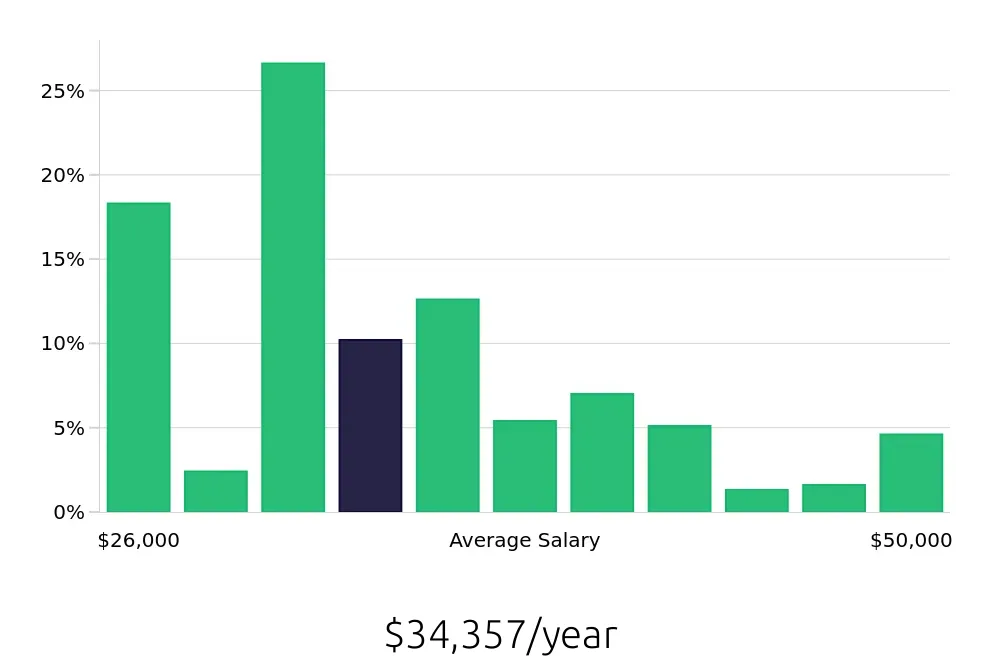
Riders can expect to earn a competitive salary, with an average national annual compensation of $62,840. This figure reflects the value placed on the skills and responsibilities of riders. Additionally, the average national hourly compensation stands at $30.21, providing a clear picture of the earnings potential in this profession. These figures highlight the financial rewards that come with a career in this field.
For job seekers, the outlook for riders is promising. The combination of steady job growth, competitive salaries, and a stable career path makes this profession an attractive option. With the right skills and dedication, riders can look forward to a fulfilling and financially rewarding career.