What does a Roustabout do?
A Roustabout works on offshore oil rigs. They perform many important tasks. These tasks often involve heavy lifting and moving equipment. Roustabouts help to ensure that the rig runs smoothly. They also support other workers on the rig.
The Roustabout's duties may include:
- Lifting and moving heavy equipment
- Helping to assemble and disassemble drilling equipment
- Operating hand tools and power tools
- Cleaning equipment and the work area
- Following safety protocols to protect themselves and others
This job requires strength and physical stamina. Roustabouts must be able to work in tough conditions. They must also be able to follow directions and work well with others.
How to become a Roustabout?
Becoming a Roustabout can be a rewarding career choice in the oil and gas industry. This role requires physical stamina and attention to detail. Roustabouts work on rigs and in maintenance, performing various tasks. Follow these steps to start your journey:
- Get a high school diploma or GED. This is the basic educational requirement. It shows a level of commitment and responsibility.
- Consider vocational training. Programs in heavy equipment operation and industrial safety can be helpful. They provide practical skills and knowledge.
- Gain relevant experience. Work in construction or maintenance. These jobs offer hands-on experience and teach important skills.
- Obtain necessary certifications. Certifications in CPR, First Aid, and OSHA safety are often needed. They demonstrate a commitment to safety and well-being.
- Apply for Roustabout positions. Look for job postings on industry websites and job boards. Tailor your resume to highlight relevant experience and skills.
Starting as a Roustabout involves physical work and teamwork. With the right education, training, and certifications, you can build a successful career in this field. Each step is important to prepare for the demands of the job and increase your chances of success.
How long does it take to become a Roustabout?
Interested in a hands-on role in the oil industry? The role of a Roustabout offers a dynamic and rewarding career path. Most find that a high school diploma or GED qualifies them to start. Many employers look for candidates with some experience in physical work or related fields.
Training for this position typically lasts a few weeks to a couple of months. Roustabouts often undergo on-the-job training. This training covers safety protocols, equipment handling, and specific job duties. Employers may also offer additional training to ensure new hires can handle the physical demands of the job. Certification in First Aid and CPR can also be valuable. These skills enhance safety and job readiness. Securing this certification usually takes a few days to a week, depending on the course length.
In total, from initial qualification to being fully operational, it takes around three to six months to become a Roustabout. This timeframe allows new hires to gain the skills and confidence needed for this role. Roustabouts play a crucial part in the oil industry. Their work helps ensure smooth operations on drilling sites.
Roustabout Job Description Sample
Roustabouts are essential members of the oil and gas industry, responsible for performing a variety of manual labor tasks to support drilling and production operations. They work in demanding outdoor environments and must be adaptable to changing conditions and tasks.
Responsibilities:
- Perform manual labor tasks such as lifting, carrying, and moving heavy equipment and materials.
- Assist in drilling and production operations, including setting up and breaking down drilling equipment.
- Operate basic machinery and tools, following safety protocols and procedures.
- Perform general maintenance and upkeep of equipment and work sites.
- Assist in the transportation of materials and equipment as needed.
Qualifications
- Physical fitness and the ability to perform strenuous manual labor for extended periods.
- Experience in manual labor or related fields is preferred.
- Basic understanding of oil and gas operations is a plus.
- Willingness to work in challenging outdoor environments.
- Ability to follow instructions and work well in a team.
Is becoming a Roustabout a good career path?
A Roustabout works in the oil and gas industry, often on offshore rigs. This role involves performing various manual tasks to support drilling operations. Roustabouts help with lifting, moving equipment, and maintaining the rig. They may also assist in lifting and handling heavy tools. This job requires physical strength and the ability to work in challenging environments. Roustabouts often work in shifts, including nights and weekends.
Pursuing a career as a Roustabout can offer many benefits. This role provides a chance to work in a dynamic and hands-on environment. Roustabouts often enjoy a competitive salary and may receive bonuses for working in offshore or remote locations. This job also offers opportunities to develop valuable skills and gain experience in the oil and gas industry. Many companies offer training programs to help Roustabouts advance their careers. However, this path also comes with some challenges. Roustabouts often work long hours in physically demanding conditions. This role can involve exposure to hazardous environments and potential safety risks.
When considering a career as a Roustabout, it's important to weigh the pros and cons. Here are some factors to think about:
- Pros:
- Competitive pay and potential bonuses.
- Opportunities for career advancement.
- Hands-on work experience in the oil and gas industry.
- Travel and relocation opportunities.
- Cons:
- Physically demanding and requires stamina.
- Often involves long hours and shift work.
- Exposure to hazardous and remote working conditions.
- Potential safety risks and need for strict safety protocols.
What is the job outlook for a Roustabout?
For job seekers interested in a stable career in the oil and gas industry, Roustabout offers promising opportunities. The Bureau of Labor Statistics (BLS) reports an average of 4,400 job positions available each year, providing a consistent pipeline of openings. This steady demand makes Roustabout an attractive option for those looking to enter the workforce with a dependable job outlook.
Looking ahead, the BLS predicts a positive job outlook for Roustabout, with an estimated 2.9% increase in job openings from 2022 to 2032. This growth suggests that Roustabout roles will remain relevant and in demand over the coming years, offering stability and potential for career advancement. Job seekers can feel confident that this field will continue to need skilled workers to support the industry’s operations.
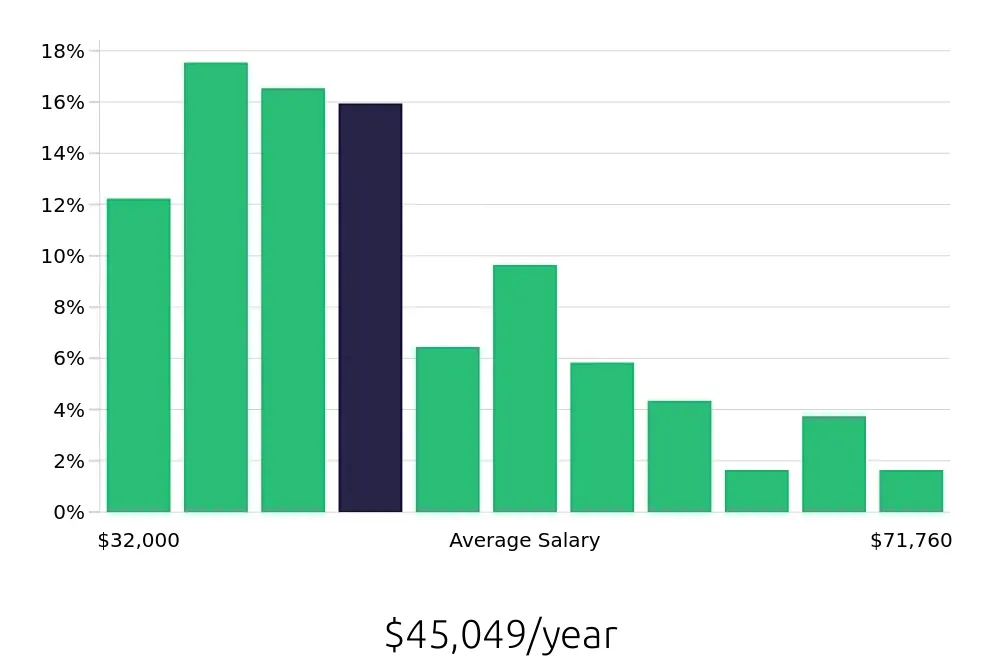
Earnings for Roustabouts are also competitive. The BLS reports an average national annual compensation of $47,730. Additionally, the average hourly wage stands at $22.95, reflecting the skilled nature of the work. These figures highlight that a career as a Roustabout can provide a solid income, making it an appealing choice for those seeking a rewarding job with financial benefits.
Currently 39 Roustabout job openings, nationwide.
Continue to Salaries for Roustabout