What does a Safety Consultant do?
A Safety Consultant ensures that workplaces adhere to safety standards and regulations. This role focuses on identifying potential hazards, evaluating risks, and implementing safety measures to protect employees. The consultant conducts regular inspections, audits, and training sessions to foster a culture of safety. They work closely with management to develop policies and procedures that comply with local, state, and federal laws. This position plays a crucial role in preventing accidents and minimizing workplace injuries.
Key responsibilities of a Safety Consultant include analyzing workplace data, recommending improvements, and monitoring compliance with safety regulations. They often collaborate with other departments to integrate safety practices into daily operations. The consultant must stay updated on new safety laws and industry best practices. They also prepare detailed reports and documentation related to safety audits and incidents. By taking proactive steps to address safety concerns, the Safety Consultant helps maintain a safe and productive work environment.
How to become a Safety Consultant?
Becoming a Safety Consultant can lead to a rewarding career in helping businesses maintain safe work environments. This role involves assessing workplace hazards, implementing safety measures, and ensuring compliance with safety regulations. To start this career, follow these essential steps:
First, a strong educational background forms the foundation. Most employers require at least a bachelor's degree in occupational safety, industrial hygiene, or a related field. Specializing in areas like engineering or health sciences can enhance your qualifications. Second, gaining relevant experience is crucial. Look for internships or entry-level positions in safety management or related fields. Third, consider earning certifications, such as the Certified Safety Professional (CSP) credential, which is highly regarded in the industry. Fourth, developing strong analytical and communication skills is important. These skills help in identifying risks and conveying safety protocols effectively. Finally, networking with industry professionals can open doors to job opportunities and provide valuable insights into the field.
To move forward, gather the necessary qualifications and start building your career in safety consulting. This path requires dedication and continuous learning, but it can lead to a fulfilling and impactful career.
How long does it take to become a Safety Consultant?
Safety consultants work in many industries, from construction to manufacturing. This career is important for ensuring safe working environments. The time it takes to become a safety consultant can vary. Many consultants start with a high school diploma or GED. Some enter the field after completing a bachelor's degree.
Those with a bachelor's degree often study business, engineering, or environmental science. Others may take courses in safety management. This education can take about four years. After getting a degree, some consultants complete internships. Internships can offer practical experience and help in landing a job. People without a degree may need to work more years to gain enough experience. Certifications can also help in this field. Many consultants choose to get certified from organizations like the Board of Certified Safety Professionals (BCSP).
Safety Consultant Job Description Sample
We are seeking a highly qualified and experienced Safety Consultant to join our team. The ideal candidate will be responsible for ensuring compliance with safety regulations and promoting a safe working environment across our facilities. This role requires a proactive approach to risk management, with the ability to identify, assess, and mitigate safety hazards.
Responsibilities:
- Conduct safety audits and inspections to ensure compliance with local, state, and federal regulations.
- Develop and implement safety programs and policies to minimize workplace accidents and injuries.
- Provide training and education to employees on safety procedures and best practices.
- Investigate workplace accidents and incidents to determine root causes and recommend corrective actions.
- Prepare and maintain safety documentation, reports, and records.
Qualifications
- Bachelor’s degree in Occupational Health and Safety, Engineering, or a related field.
- Minimum of 3-5 years of experience in a safety consulting role.
- Certified Safety Professional (CSP) or equivalent certification preferred.
- In-depth knowledge of occupational safety and health regulations and standards.
- Excellent analytical and problem-solving skills.
Is becoming a Safety Consultant a good career path?
A Safety Consultant plays a vital role in ensuring workplace safety and compliance with health regulations. This professional helps organizations prevent accidents and reduce injuries by identifying potential hazards. They work in various industries, from construction to manufacturing. This career offers diverse opportunities and the chance to make a tangible impact on workplace environments.
Safety Consultants analyze work practices, conduct risk assessments, and develop safety policies. They collaborate with managers and staff to implement safety programs. This role demands strong analytical skills and a keen eye for detail. It also requires excellent communication skills to convey safety information effectively. The job can be both challenging and rewarding, offering a sense of fulfillment from contributing to safer workplaces.
When considering a career as a Safety Consultant, it helps to weigh the pros and cons.
- Pros:
- Helps prevent workplace injuries and accidents.
- Diverse industry opportunities.
- Job stability and growth potential.
- Opportunities for professional development.
- Cons:
- May require long hours, especially during inspections.
- Potential exposure to hazardous environments.
- Demanding job that requires constant attention to detail.
- Can be challenging to balance regulatory compliance with business needs.
What is the job outlook for a Safety Consultant?
The job outlook for Safety Consultants is quite promising. The Bureau of Labor Statistics (BLS) reports that there are approximately 24,100 job positions available annually. This trend is expected to grow by 11.2% from 2022 to 2032, indicating a robust demand for professionals in this field. The increasing need for workplace safety reflects ongoing efforts to protect employees and enhance operational efficiency.
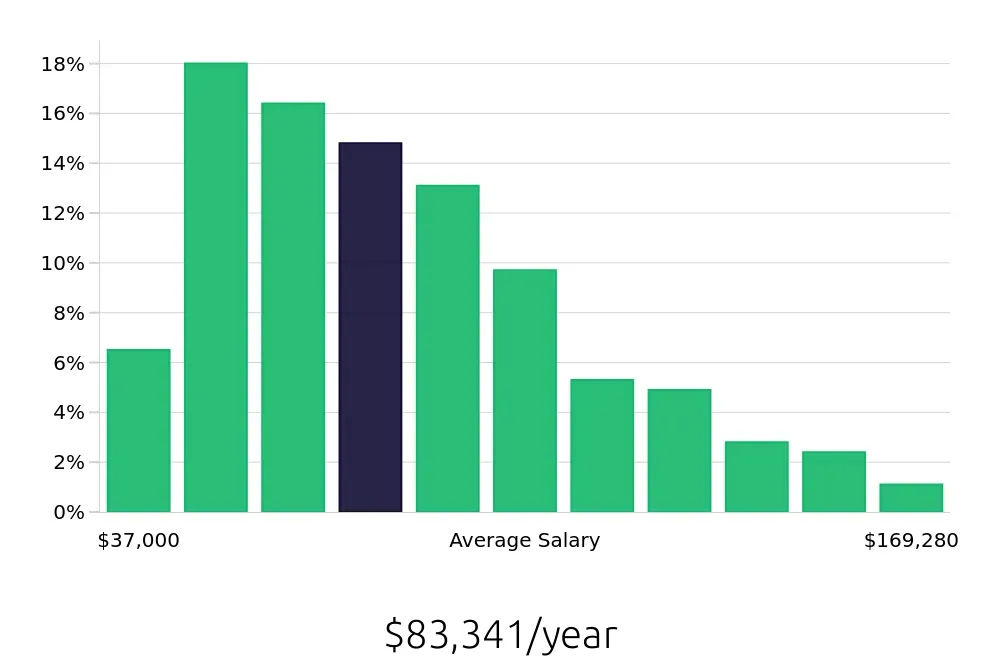
Safety Consultants can look forward to a stable career path with competitive compensation. According to the BLS, the average annual salary for Safety Consultants is $103,510. Hourly, the average compensation stands at $49.76. This level of pay reflects the critical nature of their role in preventing accidents and ensuring compliance with safety regulations. With steady job growth and attractive remuneration, becoming a Safety Consultant can be a smart career choice.
For job seekers interested in this role, the BLS data suggests a positive trend. A growing emphasis on workplace safety, along with increasing regulatory requirements, means more opportunities for Safety Consultants. This career offers both job stability and the chance to make a significant impact on workplace environments. With a clear path for advancement and a strong demand for skilled professionals, now is an excellent time to consider a career in safety consultancy.
Currently 112 Safety Consultant job openings, nationwide.
Continue to Salaries for Safety Consultant