What does a Sales Director do?
A Sales Director oversees a company's sales department, ensuring that sales goals are met. They create strategies to increase sales and revenue. This role involves managing a team of sales professionals, providing training, and setting performance goals. Sales Directors analyze market trends and customer needs to adjust sales strategies accordingly. They work closely with other departments to ensure that sales and marketing align with the company's goals. They also maintain relationships with key clients and stakeholders.
In this position, the Sales Director works to build and expand the company's market presence. They identify new sales opportunities and develop plans to capture them. This includes conducting market research and attending industry events. Sales Directors also monitor sales performance and prepare reports for senior management. They use data to make informed decisions about the sales team and strategies. This role requires strong leadership skills and the ability to motivate a team. It also involves problem-solving and critical thinking to overcome challenges in the sales process.
How to become a Sales Director?
Becoming a Sales Director is a journey that demands dedication, skill, and strategic planning. A Sales Director oversees a team, manages sales strategies, and drives revenue growth. This role requires a blend of leadership abilities and sales expertise. Below are the essential steps to embark on this career path.
Starting from a sales role, professionals can progressively take on more responsibility. Building a strong foundation in sales techniques and customer relations is crucial. As skills and experience grow, individuals can move into management positions. Each step involves learning and applying new skills. Dedication to personal and professional development is key to success.
- Develop Sales Skills: Learn the basics of sales, including negotiation and closing deals. Attend training programs and workshops.
- Gain Experience: Work in entry-level sales positions. Understand the sales cycle and customer needs. Aim to achieve sales targets consistently.
- Take on Leadership Roles: Move into positions like Sales Manager. Learn to manage teams and oversee sales operations.
- Advance to Director Level: With enough experience, apply for a Sales Director role. Focus on strategic planning and team leadership.
- Continuous Learning: Stay updated with industry trends. Pursue certifications and advanced degrees if needed.
How long does it take to become a Sales Director?
The journey to becoming a Sales Director varies for each individual. Some find success in a few years, while others take a decade or more. The role demands a blend of skills, experience, and often advanced education. Most start in junior sales roles, gaining valuable experience in the field. Over time, moving up the ranks in sales management positions builds the necessary leadership skills.
Factors influencing the timeline include education, work experience, industry demands, and personal ambition. An undergraduate degree in business or a related field can help. Many Sales Directors also pursue an MBA to enhance their skills. Networking and continuous learning can speed up career advancement. A clear career path, dedication, and strategic moves often lead to quicker promotions.
Sales Director Job Description Sample
We are seeking an experienced and dynamic Sales Director to join our team. The Sales Director will be responsible for developing and implementing sales strategies, analyzing market trends, and driving revenue growth. The ideal candidate will have a proven track record in sales leadership, excellent communication skills, and the ability to motivate and lead a high-performing sales team.
Responsibilities:
- Develop and execute sales strategies to achieve company revenue targets.
- Analyze market trends and competitor activity to identify new business opportunities.
- Lead, motivate, and manage a high-performing sales team, providing coaching and development as needed.
- Build and maintain strong relationships with key clients and stakeholders.
- Collaborate with other departments to ensure alignment with overall business objectives.
Qualifications
- Bachelor’s degree in Business, Marketing, or a related field.
- Proven experience (10+ years) in sales leadership with a track record of achieving sales targets.
- Strong knowledge of sales processes and market trends.
- Excellent leadership, communication, and interpersonal skills.
- Ability to analyze data and provide actionable insights.
Is becoming a Sales Director a good career path?
A Sales Director plays a key role in leading a company’s sales team. They set sales goals, develop strategies, and manage the sales force. This role offers a chance to influence a company's revenue and growth. Sales Directors often interact with customers, making it a customer-facing position.
This career path has its advantages and disadvantages. On the positive side, Sales Directors earn competitive salaries. They often receive bonuses and commissions based on sales performance. They also get opportunities for career advancement and professional growth. Networking with other professionals and building strong relationships with customers can be rewarding. However, the job can be stressful due to tight deadlines and high expectations. Sales Directors must handle pressure well and balance their time between various tasks.
Consider these pros and cons before pursuing a career as a Sales Director.
- Pros:
- High earning potential
- Bonuses and commissions
- Career advancement opportunities
- Customer interaction
- Networking benefits
- Cons:
- High pressure and stress
- Long working hours
- High expectations
- Constant need for performance
What is the job outlook for a Sales Director?
The role of a Sales Director offers a promising job outlook for those entering the field. According to the Bureau of Labor Statistics (BLS), there are an average of 74,400 job positions available each year. This steady demand suggests that skilled sales directors will continue to be in high demand. Companies across various industries rely on sales directors to lead teams, develop strategies, and achieve sales goals.
Job growth in this field is also positive, with a projected increase of 5.1% from 2022 to 2032. This growth rate is slightly above the average for all occupations. This trend indicates that companies are increasingly recognizing the importance of effective sales leadership. As businesses expand and evolve, they need experienced sales directors to navigate these changes and drive success.
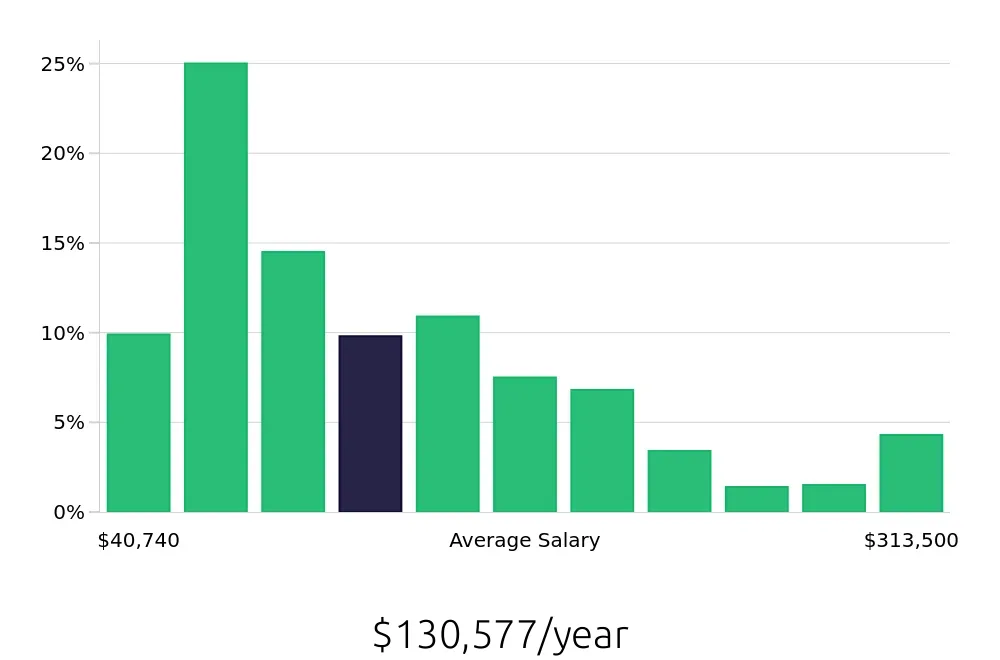
Sales directors enjoy a competitive salary to match the demands of the role. The BLS reports an average national annual compensation of $161,040. This figure reflects the high level of responsibility and expertise required. On an hourly basis, sales directors earn an average of $77.43. This compensation speaks to the value that companies place on effective sales leadership in achieving their business objectives.
Currently 1,279 Sales Director job openings, nationwide.
Continue to Salaries for Sales Director