What does a Sales Inspector do?
A Sales Inspector plays a key role in the sales team. They focus on evaluating and improving sales strategies. They review sales data and identify trends. This position involves working closely with sales representatives to boost performance. They often set sales targets and ensure the team meets them.
The Sales Inspector also conducts market research. They analyze customer needs and preferences. This helps in creating better sales strategies. They prepare reports and presentations for management. These reports highlight sales performance and suggest improvements. The Sales Inspector must communicate effectively with the sales team and management. Their goal is to increase sales and improve customer satisfaction.
How to become a Sales Inspector?
Becoming a Sales Inspector can be a rewarding career path for those with an eye for detail and a passion for customer service. This role involves overseeing sales processes and ensuring that transactions are fair and accurate. Sales Inspectors must have strong analytical skills and a good understanding of sales practices.
Interested individuals can follow these steps to embark on this career journey:
- Get the necessary education.
- Gain relevant experience.
- Develop necessary skills.
- Obtain certification.
- Network and apply for jobs.
Start with acquiring a high school diploma or equivalent. Then, gain experience by working in sales, customer service, or related fields. This helps build a solid foundation in sales practices. Develop key skills such as attention to detail, problem-solving, and communication. Look for opportunities to enhance these skills through formal training or on-the-job experience.
Consider obtaining certification from a recognized professional body. This adds credibility and can make job applications more competitive. Finally, network with industry professionals and apply for Sales Inspector positions. Tailor the resume and cover letter to highlight relevant experience and skills.
How long does it take to become a Sales Inspector?
The journey to becoming a Sales Inspector can vary. Some people start with a high school diploma and work their way up. Others may hold a college degree in business or a related field. On average, it takes about two to four years to gain the skills and experience needed.
To become a Sales Inspector, one can start by earning a high school diploma or GED. Then, they can look for entry-level jobs in sales or customer service. These roles provide important experience. Some employers offer on-the-job training or apprenticeships. This training can help new inspectors learn the ropes. After gaining some experience, taking a certification course can be helpful. This could include courses in customer service or quality control. These courses can open up more job opportunities and help in getting promotions.
Sales Inspector Job Description Sample
We are seeking a meticulous and detail-oriented Sales Inspector to join our team. The ideal candidate will be responsible for conducting thorough inspections of sales operations to ensure compliance with company policies, industry regulations, and customer satisfaction. This role requires a proactive approach to identifying areas for improvement and implementing corrective measures.
Responsibilities:
- Perform regular inspections of sales operations to identify compliance with company policies and industry regulations.
- Analyze sales data and reports to identify trends and areas for improvement.
- Conduct on-site inspections of sales activities and processes, including sales documentation, inventory management, and customer interactions.
- Collaborate with sales teams to provide feedback and recommendations for process improvements.
- Investigate and resolve any sales-related issues or discrepancies identified during inspections.
Qualifications
- Bachelor’s degree in Business Administration, Finance, or a related field.
- Minimum of 3 years of experience in sales operations, quality assurance, or a related field.
- Strong understanding of sales processes and industry regulations.
- Excellent analytical and problem-solving skills.
- Detail-oriented with a high level of accuracy and attention to detail.
Is becoming a Sales Inspector a good career path?
A Sales Inspector plays an important role in ensuring quality and compliance within a company. They evaluate products, services, and sales processes to guarantee that everything meets the set standards. This role involves checking prices, inspecting products, and verifying sales records. It is a career path that offers both challenges and rewards for those with a keen eye for detail and a passion for maintaining high standards.
Working as a Sales Inspector comes with a set of benefits and challenges. Considering both helps individuals decide if this career suits them. One key advantage is the opportunity to work in various industries, from manufacturing to retail. Inspectors can gain diverse experiences that can be valuable for future job opportunities. Another benefit is the potential for career advancement. Inspectors can move up to managerial positions by proving their skills and dedication. However, this role can also have its downsides. Inspectors may face long hours, especially when deadlines approach. The job can be stressful, given the responsibility of ensuring everything meets company standards.
Here are some pros and cons to consider:
- Pros:
- Opportunities to work in different industries.
- Chance for career growth and advancement.
- Ensuring high standards and quality in products and services.
- Cons:
- Potential for long working hours, especially before deadlines.
- Stress from the responsibility of maintaining high standards.
What is the job outlook for a Sales Inspector?
The job outlook for Sales Inspectors presents both opportunities and challenges for job seekers. According to the Bureau of Labor Statistics (BLS), there are about 4,100 job positions available each year. This shows that the role is in consistent demand across the nation. While the BLS projects a 5.1% decrease in job openings from 2022 to 2032, this decline is relatively moderate. As such, those in the field can expect stable employment prospects, provided they remain competitive and skilled.
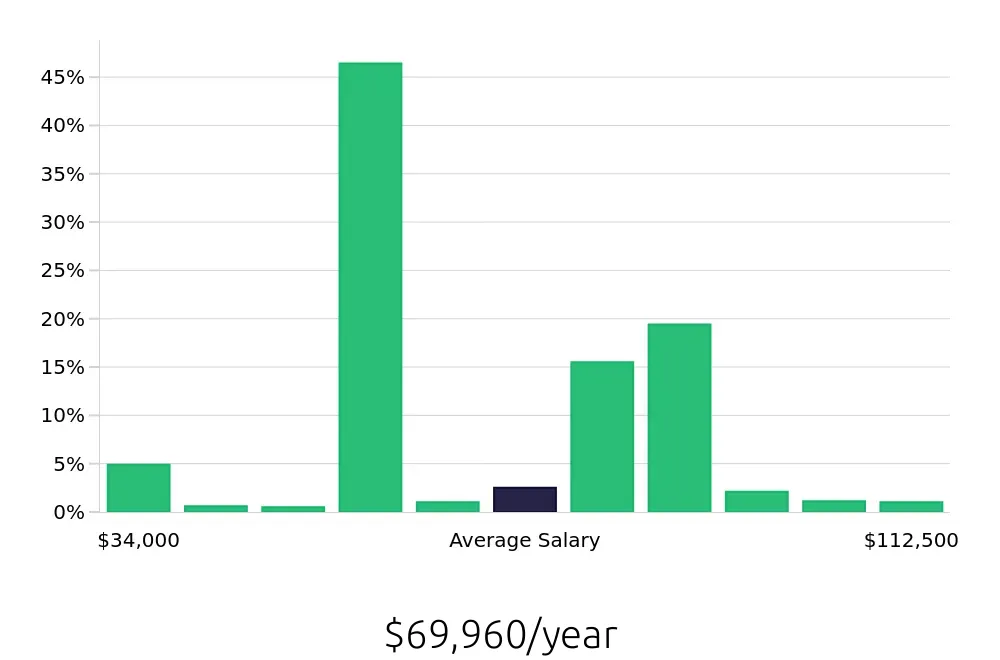
Sales Inspectors earn an average national annual compensation of $34,880, as per the BLS data. This figure highlights the financial stability that the role can offer. In addition, the average national hourly compensation stands at $16.77, suggesting good earning potential. For job seekers, these figures are crucial as they indicate the financial benefits of pursuing a career in sales inspection.
Prospective Sales Inspectors should focus on acquiring relevant skills and certifications to enhance their employability. With the right preparation, they can navigate the job market effectively and secure a rewarding career. The moderate decrease in job openings emphasizes the need for continuous learning and adaptation. This ensures long-term success in this dynamic field.
Currently 128 Sales Inspector job openings, nationwide.
Continue to Salaries for Sales Inspector