What does a Sales Specialist do?
A Sales Specialist plays a key role in driving a company's revenue growth. This professional identifies potential customers, builds relationships, and promotes the company's products or services. They analyze market trends and customer needs to tailor their approach. Meeting sales targets and achieving company goals are essential aspects of this role.
The Sales Specialist engages in various tasks to meet objectives. They conduct market research, create sales presentations, and make sales calls. They often collaborate with other team members to develop strategies. Following up with leads and maintaining customer relationships are crucial parts of their job. Success in this role depends on strong communication skills, attention to detail, and the ability to meet sales quotas.
How to become a Sales Specialist?
Interested in becoming a Sales Specialist? This role requires a blend of skills and dedication. Sales Specialists connect with customers, understand their needs, and provide solutions. Follow these steps to start your journey.
First, gain relevant education and experience. A high school diploma or equivalent is a minimum requirement. Many employers prefer candidates with a college degree in business or a related field. Experience in sales or customer service is highly valuable. This background helps understand sales processes and customer interaction.
- Obtain Necessary Education and Experience: Start with a solid educational foundation. Gain relevant work experience to build your resume.
- Develop Key Skills: Focus on skills like communication, negotiation, and problem-solving. Sales Specialists must connect well with people and handle tough situations.
- Pursue Training and Certification: Consider taking courses in sales techniques and strategies. Certifications can boost your resume and demonstrate your commitment to the field.
- Apply for Entry-Level Positions: Look for entry-level sales roles. These positions provide hands-on experience and a chance to learn from experienced professionals.
- Network and Seek Advancement: Build relationships in the industry. Attend events and join professional groups. As you gain experience, look for opportunities to move up within your company.
How long does it take to become a Sales Specialist?
Starting a career as a Sales Specialist can lead to a rewarding journey. Many people choose this path to enjoy a mix of challenges and opportunities. This role often combines understanding products with talking to customers. Sales Specialists work to build relationships and close deals. They play a key part in helping companies grow.
The time needed to become a Sales Specialist varies. Most people start with a high school diploma or a GED. Some find jobs in sales right away. Others may look for entry-level positions to gain experience. Experience helps in learning the ins and outs of the job. With time, a person can move up to a Sales Specialist role. The journey might take a few months for entry-level jobs or a few years to reach a specialist position. It all depends on individual experience and dedication. Sales roles often value hard work and a positive attitude.
Sales Specialist Job Description Sample
The Sales Specialist is responsible for driving sales growth by identifying and pursuing new business opportunities, building relationships with clients, and delivering high-quality sales presentations. This role requires a strategic thinker with excellent communication skills and a passion for achieving sales targets.
Responsibilities:
- Develop and implement sales strategies to achieve company sales objectives.
- Identify and pursue new business opportunities by prospecting and networking.
- Build and maintain strong relationships with existing and potential clients.
- Conduct sales presentations and product demonstrations to potential clients.
- Prepare and submit regular sales reports and forecasts to management.
Qualifications
- Bachelor’s degree in Business, Marketing, or a related field.
- Minimum of 3 years of experience in sales or a related role.
- Proven track record of meeting and exceeding sales targets.
- Excellent communication and interpersonal skills.
- Strong negotiation and closing skills.
Is becoming a Sales Specialist a good career path?
A career as a Sales Specialist offers a dynamic and rewarding path for professionals passionate about connecting with clients and closing deals. Sales Specialists work across various industries, from technology to healthcare, focusing on selling products or services. They engage with customers, understand their needs, and provide tailored solutions. This role demands strong communication skills, a knack for negotiation, and a deep understanding of market trends.
Sales Specialists benefit from a fast-paced environment that keeps work interesting. They often enjoy high earning potential with commissions and bonuses. The role provides opportunities for personal growth and skill development. However, it also comes with challenges. The pressure to meet sales targets can be stressful. The job may require frequent travel and long hours. Adapting to new markets and products requires continuous learning. Balancing work and personal life can be tough in this demanding role.
Considering the pros and cons can help determine if a career as a Sales Specialist fits your professional goals.
- Pros:
- High earning potential with commissions and bonuses.
- Dynamic and fast-paced work environment.
- Opportunities for personal and professional growth.
- Variety of industries to work in.
- Cons:
- Pressure to meet sales targets can be stressful.
- Job may require frequent travel and long hours.
- Need for continuous learning to adapt to new markets and products.
- Balancing work and personal life can be challenging.
What is the job outlook for a Sales Specialist?
Job seekers looking to enter the field of sales will find that Sales Specialists play a crucial role in many industries. The Bureau of Labor Statistics (BLS) reports about 3,200 average job positions each year. While the percentage change in job openings from 2022 to 2032 is expected to decrease by 14.4%, there remain ample opportunities for those with the right skills and experience.
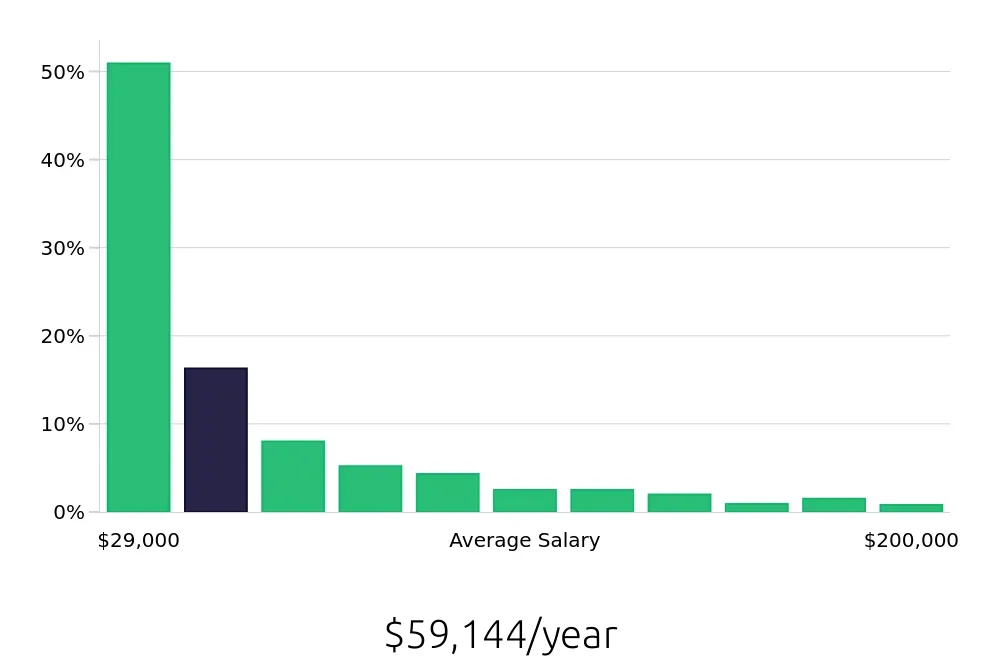
Sales Specialists typically earn a competitive salary, with an average annual compensation of $44,670, according to the BLS. This average figure includes a range of salaries that can vary based on factors such as experience, industry, and location. Hourly compensation stands at $21.48, making this a potentially lucrative career path for dedicated professionals. Those entering this field should be prepared to leverage their skills to secure a rewarding salary.
For job seekers aiming to become Sales Specialists, it's important to stay informed about industry trends and continuously develop your skills. The average salary and job availability data from the BLS highlight that while job openings may fluctuate, the demand for skilled Sales Specialists remains steady. Therefore, investing in your professional growth can lead to long-term success in this dynamic field.
Currently 3,314 Sales Specialist job openings, nationwide.
Continue to Salaries for Sales Specialist