What does a School Treasurer do?
The School Treasurer plays a crucial role in managing the financial health of the institution. This person ensures that the school’s funds are used appropriately and transparently. The School Treasurer handles budgeting, accounting, and financial reporting, ensuring that all financial activities are recorded accurately. They work closely with school administrators to develop and maintain a budget that aligns with the school’s goals.
In addition to budgeting and accounting, the School Treasurer also oversees financial compliance. They ensure that all financial activities comply with relevant laws and regulations. This includes preparing financial statements, monitoring accounts, and safeguarding school assets. The School Treasurer must be detail-oriented and have strong analytical skills to effectively manage these responsibilities. This position requires a solid understanding of financial principles and the ability to communicate financial information clearly.
How to become a School Treasurer?
Becoming a school treasurer is a rewarding role that requires specific skills and qualifications. This role involves managing the school's finances, ensuring budgets are met, and reporting financial information to the school board. Below are steps to guide aspiring school treasurers.
The journey to becoming a school treasurer can be broken down into several key steps. First, a candidate should hold a bachelor's degree in finance, accounting, or a related field. This educational foundation provides the necessary knowledge to handle financial tasks effectively. Second, gaining experience in accounting or finance roles, such as working as an accountant or financial analyst, is crucial. This experience helps in understanding financial management and budgeting. Third, obtaining certification from a recognized organization like the Certified School Business Official (CSBO) can enhance credibility. Fourth, developing strong communication and organizational skills is important for interacting with the school board and managing financial records. Lastly, networking within the education sector can open doors to job opportunities and provide insights into the role.
Here are five steps to consider when pursuing a career as a school treasurer:
- Earn a relevant degree in finance or accounting.
- Gain experience in related roles, such as accountant or financial analyst.
- Obtain professional certifications to boost your resume.
- Develop key skills like communication and organization.
- Network with professionals in the education sector.
How long does it take to become a School Treasurer?
Interested in a role that combines finance skills with community service? Consider becoming a School Treasurer. This role is essential for managing a school’s finances. It ensures that funds are used wisely and that financial records are accurate. To take on this responsibility, specific qualifications and experience are needed.
Most school treasurers hold a bachelor’s degree in accounting, finance, or a related field. Many also have certifications in accounting. Some have additional experience in finance or a related area. The typical path includes a combination of education and practical experience. Schools often look for candidates with at least a few years of experience in financial management. Some positions may require more, depending on the school's size and financial needs. On average, it takes about 4 to 6 years to gain the necessary education and experience. This journey can include internships, entry-level positions, and further education.
School Treasurer Job Description Sample
The School Treasurer is responsible for managing the financial operations of the school, ensuring accurate and timely accounting, budgeting, and reporting. This role involves safeguarding the school's assets, maintaining financial records, and providing financial guidance to the administration.
Responsibilities:
- Manage the school's finances by maintaining accurate financial records, including accounts payable, accounts receivable, and general ledger.
- Prepare and present monthly, quarterly, and annual financial statements, budgets, and reports to the school's board of directors and other stakeholders.
- Develop and implement effective financial policies and procedures to ensure compliance with relevant laws and regulations.
- Oversee the school's banking activities, including the maintenance of bank accounts, processing of financial transactions, and management of cash flow.
- Coordinate with external auditors during financial audits and ensure timely and accurate responses to their inquiries.
Qualifications
- Bachelor's degree in Finance, Accounting, or a related field. A Master's degree or CPA certification is preferred.
- Proven experience as a Treasurer or in a similar financial management role, preferably in an educational institution or non-profit organization.
- Strong knowledge of accounting principles, financial reporting, budgeting, and investment management.
- Proficiency in using financial management software and Microsoft Office Suite (Excel, Word, PowerPoint).
- Excellent analytical, problem-solving, and decision-making skills.
Is becoming a School Treasurer a good career path?
A School Treasurer plays a crucial role in managing financial operations within an educational institution. This position involves overseeing the school's budget, managing funds, and ensuring financial records are accurate. Responsibilities often include monitoring expenditures, preparing financial reports, and working closely with school administrators to allocate resources effectively. This role demands strong organizational skills and a solid understanding of accounting principles.
Choosing a career as a School Treasurer has its own set of advantages and challenges. One notable benefit is the opportunity to contribute directly to the school's financial health, which can have a positive impact on educational programs and student outcomes. Additionally, this role offers stability and the chance to work within the education sector, which can be fulfilling for those passionate about supporting academic environments. However, it's important to consider the potential downsides, such as the need for detailed financial knowledge and the pressure to maintain strict accuracy in financial reporting. Balancing these responsibilities can be demanding, requiring dedication and attention to detail.
For those interested in this career path, it's useful to weigh the pros and cons:
- Pros:
- Contributes to the financial well-being of educational institutions.
- Offers stability and job security within the education sector.
- Provides an opportunity to work closely with school administrators.
- Cons:
- Requires strong financial and accounting skills.
- Can be demanding due to the need for precision in financial reporting.
- May involve long hours, especially during budgeting periods.
What is the job outlook for a School Treasurer?
Job seekers interested in the role of a School Treasurer can look forward to a promising job outlook. The Bureau of Labor Statistics (BLS) projects 69,600 average job positions per year in this field. This number is expected to grow by 16% from 2022 to 2032. This steady increase indicates a growing demand for professionals who manage school finances. Securing a position in this field offers a stable career path with opportunities for growth and advancement.
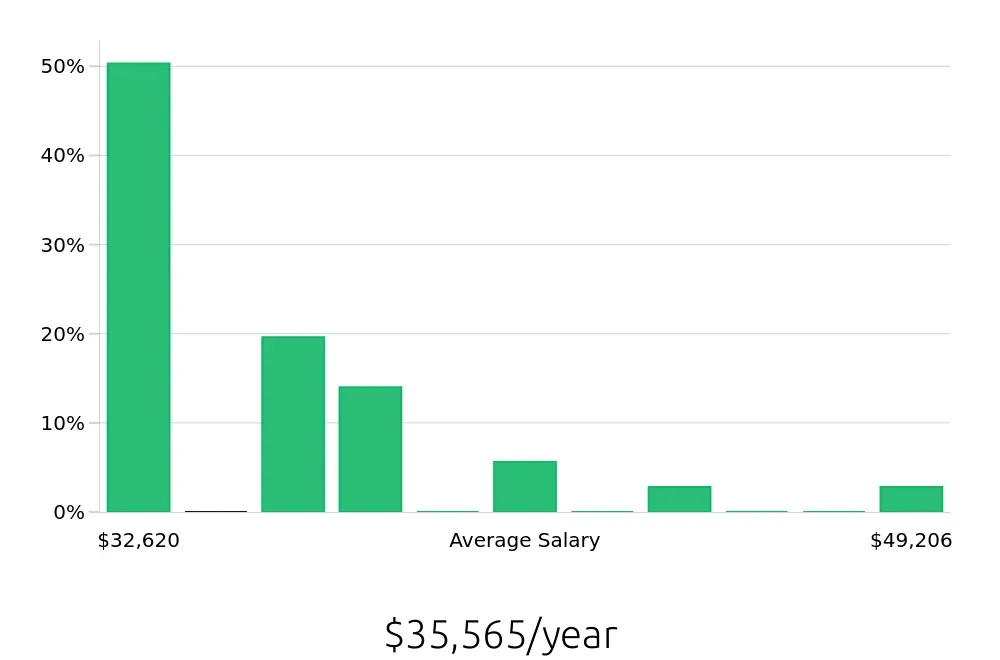
The role of a School Treasurer comes with a competitive salary. According to the BLS, the average national annual compensation stands at $174,820. This high earning potential makes the role attractive for many job seekers. Hourly compensation averages around $84.05, reflecting the value and responsibility associated with managing school finances. These figures highlight the financial rewards that come with a career in school finance management.
Interested job seekers should note that positions for School Treasurers are becoming more available. The BLS data shows a positive trend in job openings. This means that more schools are looking for professionals to manage their finances. This growth provides excellent opportunities for those with the right skills and qualifications. Aspiring School Treasurers can look forward to a field with both stability and growth.
Currently 23 School Treasurer job openings, nationwide.
Continue to Salaries for School Treasurer