What does a Security Associate do?
A Security Associate works to ensure the safety of people and property. They monitor security systems, patrol buildings, and respond to emergencies. Their job is to prevent and detect crime. They also provide a visible presence to deter criminal activity.
This role involves a variety of tasks. Security Associates observe and report suspicious activity. They may also interact with customers and employees to provide assistance. They communicate with law enforcement when needed. Sometimes, they manage access to restricted areas. This role demands attention to detail and the ability to stay calm under pressure. It is a critical position for maintaining security in many environments.
To excel in this role, a Security Associate needs certain skills. They must be observant and able to think quickly. They should have strong communication skills. Physical fitness is also important. This position offers a chance to make a real difference in safety and security.
How to become a Security Associate?
Becoming a Security Associate can lead to a rewarding career in protecting people and property. This role requires a mix of skills and qualifications. Understanding the process can help in preparing effectively for this profession. Follow these steps to enter the field.
Firstly, gaining relevant education and training is crucial. Many employers prefer candidates with a high school diploma or equivalent. Some roles may require additional training in security procedures or law enforcement tactics. Courses at community colleges or specialized training programs can provide the necessary skills and knowledge. Next, obtaining certifications can enhance job prospects. Common certifications include the Certified Security Professional (CSP) and the Certified Protection Officer (CPO). These certifications demonstrate a commitment to professional development. Additionally, experience in related fields such as law enforcement, military, or customer service can be valuable. Volunteering for security roles at events or public places can also build practical experience.
Here are the steps to become a Security Associate:
- Complete a high school diploma or equivalent.
- Pursue relevant training or education in security.
- Obtain necessary certifications, such as CSP or CPO.
- Gain experience through internships or volunteer work.
- Apply for entry-level positions and continue professional development.
How long does it take to become a Security Associate?
Embarking on a career as a Security Associate can open doors to rewarding opportunities. The time it takes to reach this role varies. This journey typically involves gaining relevant education, experience, and certifications. Most find that a high school diploma or equivalent is a good starting point.
Some positions may require a post-secondary certificate or associate’s degree in security management. This formal education usually takes one to two years. Completing on-the-job training programs can take an additional few months. The total time can range from about one year to three years, depending on the individual’s path and dedication. Each step builds the skills and knowledge needed for success in this field.
Here’s a closer look at the steps involved:
- Obtain a high school diploma or equivalent.
- Enroll in a security management program, if desired.
- Complete on-the-job training or internships.
- Obtain any necessary certifications.
Security Associate Job Description Sample
The Security Associate is responsible for ensuring the safety and security of our premises, staff, and assets. This role involves monitoring security systems, conducting patrols, and responding to incidents as they arise.
Responsibilities:
- Monitor and maintain security systems, including CCTV, alarm systems, and access control systems.
- Conduct regular patrols of the premises to ensure security and safety.
- Respond promptly and effectively to any security incidents, including theft, vandalism, and unauthorized access.
- Monitor and control access points, issuing credentials as necessary and ensuring compliance with security policies.
- Collaborate with law enforcement and emergency services in the event of an emergency or security breach.
Qualifications
- High school diploma or equivalent required; associate's or bachelor's degree in criminal justice, security management, or a related field preferred.
- Previous experience in security, law enforcement, or a related field is highly desirable.
- Valid security guard certification or license, if required by state or local regulations.
- Strong communication and interpersonal skills, with the ability to interact effectively with staff, visitors, and law enforcement.
- Proficient in using security and communication equipment, including CCTV systems, radios, and computer software.
Is becoming a Security Associate a good career path?
A career as a Security Associate offers a blend of physical presence and technological vigilance. This role involves monitoring surveillance equipment and patrolling designated areas to prevent and respond to security threats. A Security Associate ensures the safety of people, property, and information, playing a crucial part in maintaining order and peace in various settings, from corporate offices to public spaces.
The job requires attention to detail, quick decision-making, and the ability to communicate effectively with law enforcement when needed. It is a demanding role that provides the opportunity to make a tangible difference in safety and security. Technology is integral to this career, with many positions requiring knowledge of CCTV systems, access control technologies, and emergency response protocols.
Consider the following pros and cons before pursuing this career path:
- Pros:
- Physical activity to stay fit
- Opportunities for advancement into management or specialized roles
- Potential for steady employment in various industries
- Skills development in observation, communication, and emergency response
- Cons:
- Irregular hours, including nights, weekends, and holidays
- Exposure to stressful and potentially dangerous situations
- Limited interaction with colleagues
- Standing for long periods, which can be physically demanding
What is the job outlook for a Security Associate?
Job seekers interested in a career as a Security Associate can look forward to a stable job outlook. The Bureau of Labor Statistics (BLS) reports an average of 101,300 job positions available per year for Security Associates. This consistent demand indicates that there are many opportunities for those who complete the necessary training and certification. With the job openings expected to grow by 2.8% from 2022 to 2032, it shows a promising trend for this career path.
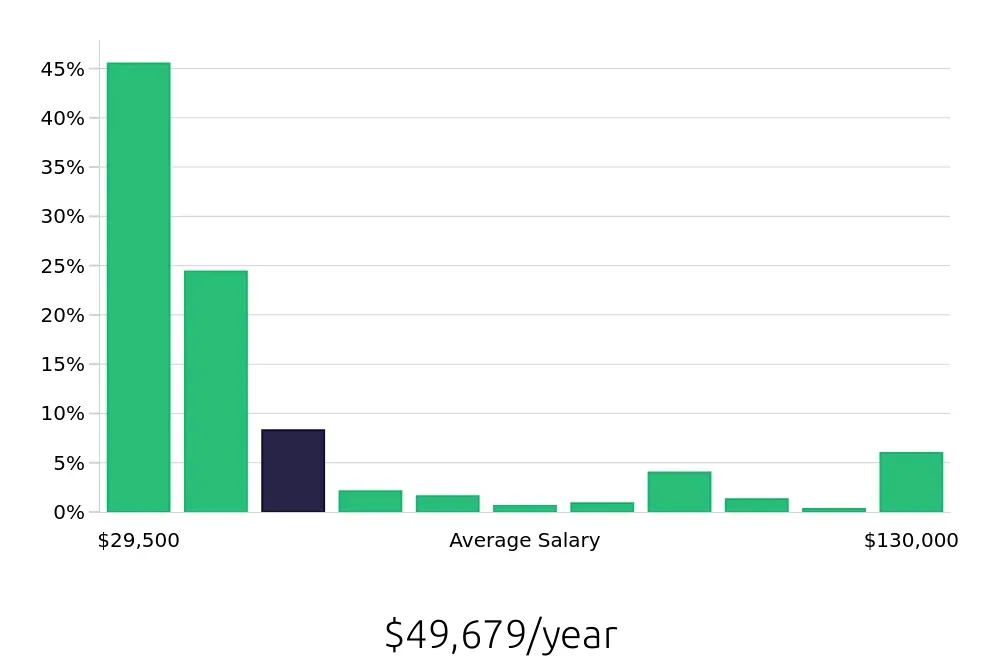
Security Associates play a crucial role in protecting people and property. The BLS data shows that the average national annual compensation for this position is $39,270. Hourly compensation averages around $18.88, reflecting the importance of their work. This compensation aligns with the skills and responsibilities required for the job, making it a rewarding career choice for those committed to ensuring safety and security.
For job seekers, this outlook highlights the potential for growth and stability in the Security Associate field. The combination of steady job availability and competitive compensation makes this career an attractive option. Those who pursue this path can expect a fulfilling career with good earning potential and job security.
Currently 151 Security Associate job openings, nationwide.
Continue to Salaries for Security Associate