What does a Security Control Assessor do?
A Security Control Assessor evaluates the effectiveness of an organization's security controls. This role involves testing and reviewing security measures to ensure they meet industry standards. Assessors conduct thorough audits and provide recommendations for improvement. They work closely with IT teams to identify vulnerabilities and suggest ways to strengthen security protocols. This job is crucial for protecting sensitive data and maintaining the integrity of an organization's systems.
Security Control Assessors perform a variety of tasks to ensure security compliance. They analyze security policies and procedures to identify potential weaknesses. Assessors often use automated tools and manual techniques to test the robustness of security measures. They prepare detailed reports that outline their findings and suggest actionable steps for improvement. This role requires a deep understanding of cybersecurity best practices and the ability to communicate complex information clearly. Security Control Assessors play a key role in safeguarding an organization's digital assets and ensuring regulatory compliance.
How to become a Security Control Assessor?
Interested in becoming a Security Control Assessor? This role is key in ensuring organizations maintain robust security measures. It requires specific qualifications and steps, but the process is manageable. Following a structured plan can help achieve this career goal.
The journey to becoming a Security Control Assessor involves several important steps. First, obtaining the right education and certifications lays a solid foundation. Next, gaining relevant experience through internships or entry-level positions is crucial. Continuous learning and keeping up with industry standards help maintain a competitive edge. Networking with industry professionals and seeking mentorship can also provide valuable insights. Finally, applying for positions and preparing a strong resume and cover letter increases the chance of success.
Here are five steps to guide the process:
- Obtain necessary education and certifications.
- Gain relevant experience.
- Keep learning and stay updated.
- Network and find mentors.
- Apply for positions and prepare application materials.
How long does it take to become a Security Control Assessor?
Many professionals choose to become Security Control Assessors to bring their expertise to the field of security assessments. This role involves evaluating an organization's security controls to ensure they meet industry standards. The journey to becoming a Security Control Assessor typically involves gaining the right education, experience, and certifications.
First, obtaining a bachelor's degree in a related field such as Information Technology, Computer Science, or Cybersecurity usually takes four years. During this time, students learn about system security, risk management, and data protection. After earning the degree, gaining relevant work experience is important. Many assessors start in entry-level roles like security analysts or IT support. This experience can take an additional two to three years to accumulate. Finally, professionals pursue certifications such as Certified Information Systems Security Professional (CISSP) or Certified Information Security Manager (CISM). These certifications often require passing exams and meeting work experience requirements. This entire process can take between five to seven years. However, the dedication and knowledge gained make it a rewarding career path.
Security Control Assessor Job Description Sample
The Security Control Assessor is responsible for evaluating the effectiveness of an organization's security controls to ensure compliance with established policies, standards, and regulations. This role involves conducting risk assessments, performing audits, and providing recommendations to strengthen security measures.
Responsibilities:
- Conduct thorough assessments of security controls to identify vulnerabilities and compliance issues.
- Perform risk assessments and develop risk mitigation strategies.
- Develop and implement audit programs and security control frameworks.
- Review and evaluate security policies, procedures, and documentation for effectiveness.
- Collaborate with IT and business teams to understand systems and processes and their impact on security.
Qualifications
- Bachelor’s degree in Information Security, Computer Science, or a related field.
- Professional certifications such as CISSP, CISM, or CISA are highly preferred.
- Minimum of 3-5 years of experience in information security, risk management, or a related field.
- Strong understanding of security frameworks and standards (e.g., NIST, ISO 27001, PCI DSS, HIPAA).
- Proven experience with security assessments, audits, and risk management.
Is becoming a Security Control Assessor a good career path?
A Security Control Assessor checks how well a company's security measures protect its data and systems. This person looks at different security controls and makes sure they work as they should. This role involves reviewing processes, conducting interviews, and preparing detailed reports.
Working as a Security Control Assessor has both positives and negatives. Understanding these can help someone decide if this career is right for them. Here are some pros and cons to think about.
- Pros:
- Good pay: This job often comes with a competitive salary.
- Job stability: As companies value data protection more, the need for skilled assessors grows.
- Variety of work: The job can involve different industries and types of assessments.
- Cons:
- High stress: Assessing security controls can be stressful, especially when dealing with sensitive information.
- Travel needed: This job may require frequent travel to different sites.
- Continuous learning: The field changes often, so ongoing education is necessary to stay updated.
What is the job outlook for a Security Control Assessor?
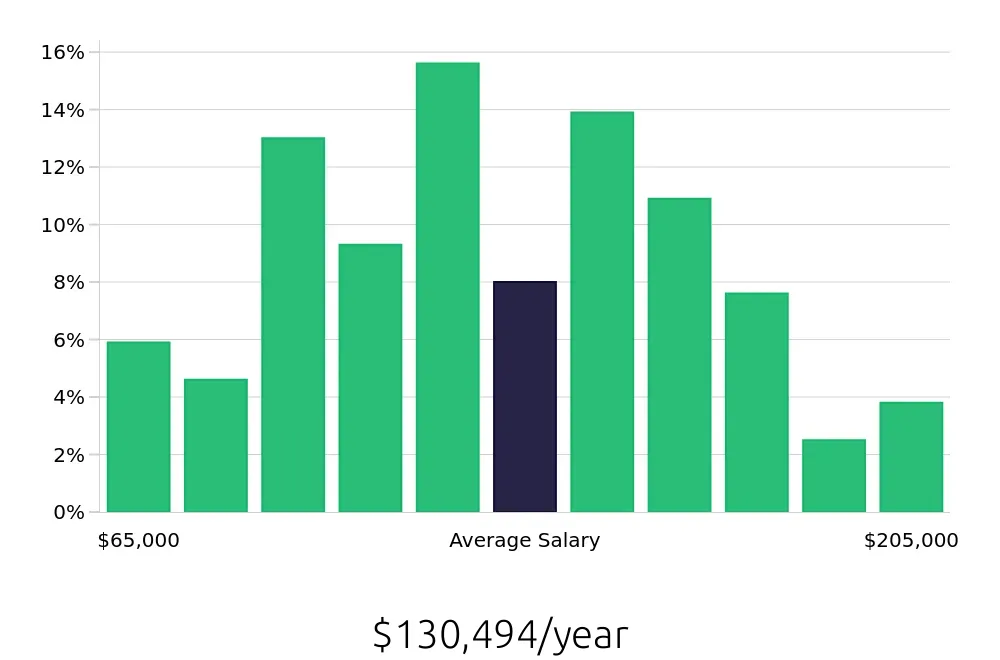
The job outlook for Security Control Assessors remains robust, making this a promising career path for job seekers. According to the Bureau of Labor Statistics (BLS), the field is expected to see 4.1% growth from 2022 to 2032. This growth translates to approximately 107,000 job positions annually. The average national annual compensation for these roles stands at $89,130, with an hourly rate of $42.85, offering a stable and rewarding career choice.
Security Control Assessors play a crucial role in ensuring organizational safety and compliance. Their demand stems from the increasing importance of cybersecurity and the protection of sensitive information. With technology advancing rapidly, the need for skilled assessors to evaluate and secure systems continues to rise. This job outlook highlights the sector's growth and the stability it offers to professionals.
Job seekers interested in this field will find many opportunities to advance. With the right qualifications, one can expect a steady job market and the potential for career growth. The combination of job availability, competitive salary, and the critical nature of the work makes this career both attractive and secure. Explore the many openings and consider taking the next step in a stable and growing profession.
Currently 52 Security Control Assessor job openings, nationwide.
Continue to Salaries for Security Control Assessor