What does a Security Control Assessor do?
A Security Control Assessor works to ensure that organizations follow strict security protocols. This professional examines and tests different security measures within a company. They focus on identifying any gaps in security. This helps to keep sensitive information safe from threats. These assessors conduct thorough reviews and audits. They look at data handling, access control, and other vital security processes. Their main goal is to improve the overall security posture of the organization.
The Security Control Assessor creates detailed reports on their findings. They provide recommendations for improvements. This role requires attention to detail and a strong understanding of security standards. Assessors need to keep up with the latest in security trends and threats. They work with IT teams and other stakeholders to implement new security measures. They ensure that the organization meets all compliance requirements. This position is crucial for protecting an organization's assets and maintaining trust with clients and customers.
How to become a Security Control Assessor?
Becoming a Security Control Assessor is a rewarding career path that offers many opportunities. This role involves evaluating how well a company’s security controls protect its information. Companies in different sectors, including finance, healthcare, and technology, value these experts. Assessors ensure that these organizations meet regulatory standards and safeguard against cyber threats.
To start this career, individuals should follow a clear process. This process includes gaining necessary skills, obtaining certifications, and gaining experience. Here are five key steps to becoming a Security Control Assessor:
- Gain a solid educational foundation. Most employers require at least a bachelor’s degree in a field like computer science, information technology, or a related discipline.
- Develop core skills. This includes knowledge of security principles, risk management, and compliance regulations. Building proficiency in these areas sets a strong foundation for your career.
- Obtain relevant certifications. Certifications such as Certified Information Systems Security Professional (CISSP) or Certified Information Security Manager (CISM) are highly valued. These credentials demonstrate your expertise and commitment to the field.
- Gain practical experience. Start with entry-level positions in IT or cybersecurity. Look for roles that allow you to work on security assessments or audits. Experience in these areas is crucial for advancing to a Security Control Assessor role.
- Network and seek mentorship. Join professional organizations and attend industry conferences. Connecting with experienced assessors can provide insights and open doors to new opportunities.
How long does it take to become a Security Control Assessor?
The journey to becoming a Security Control Assessor often starts with a blend of education and experience. Most start with a bachelor's degree in a related field, such as computer science, information technology, or cybersecurity. A degree can take about four years to complete. During this time, students learn essential skills, such as understanding security frameworks and risk management.
After earning a degree, gaining experience becomes crucial. Many assessors start in roles like security analysts or IT support. This practical experience can take a few years, depending on the complexity of the work and the industry. Once enough experience is gained, professionals may pursue certifications. Common ones include the Certified Information Systems Security Professional (CISSP) or the Certified Information Security Manager (CISM). Certifications can take several months to a year to earn, depending on the individual's pace and prior knowledge.
Security Control Assessor Job Description Sample
The Security Control Assessor is responsible for evaluating the effectiveness of an organization's information security controls and ensuring compliance with relevant regulations, standards, and frameworks. This role involves conducting assessments, identifying vulnerabilities, and providing recommendations to improve security posture.
Responsibilities:
- Conduct comprehensive assessments of information security controls to ensure compliance with industry standards and regulations.
- Develop and execute test plans, procedures, and methodologies for security control assessments.
- Identify security weaknesses, vulnerabilities, and non-compliance issues, and provide detailed reports with remediation recommendations.
- Collaborate with internal teams, including IT, compliance, and operations, to ensure effective implementation of security controls.
- Stay current with industry trends, regulatory requirements, and best practices in information security.
Qualifications
- Bachelor’s degree in Information Technology, Computer Science, or a related field.
- Certifications such as CISA, CISSP, CISM, or CRISC are highly desirable.
- Minimum of 5 years of experience in information security, risk management, or a related field.
- Strong understanding of security frameworks and standards (e.g., NIST, ISO/IEC 27001, GDPR, HIPAA).
- Excellent analytical and problem-solving skills.
Is becoming a Security Control Assessor a good career path?
A Security Control Assessor plays a key role in ensuring that organizations meet security standards. They evaluate security measures and practices, providing recommendations to improve safety. This role involves assessing risks and helping organizations protect their assets.
This career offers both challenges and rewards. It allows for interaction with diverse industries and can lead to a stable and fulfilling career. However, it also requires staying updated with the latest security trends and regulations. Understanding the balance of pros and cons helps in making an informed decision about pursuing this path.
Consider these pros and cons when thinking about a career as a Security Control Assessor:
- Pros:
- Opportunity to work with different industries.
- Growing demand for security professionals.
- Potential for career advancement and specialization.
- Cons:
- Continuous need to stay updated with security trends.
- Potential for high-stress situations during assessments.
- Requires strong attention to detail and analytical skills.
What is the job outlook for a Security Control Assessor?
The job outlook for Security Control Assessors looks promising for aspiring professionals. The Bureau of Labor Statistics (BLS) reports about 107,000 average job positions each year. This number includes both new openings and replacements for those who leave the workforce. With a projected growth of 4.1% from 2022 to 2032, the demand for skilled Security Control Assessors will continue to rise. This growth ensures a stable career path for those entering the field.
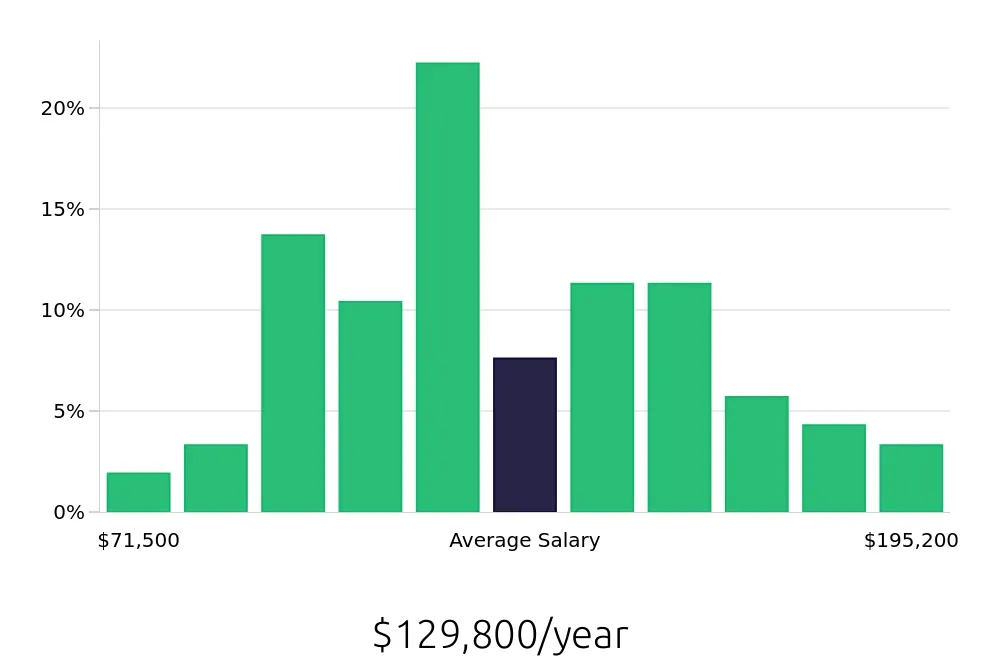
Security Control Assessors can expect a competitive salary as part of their benefits. According to the BLS, the average national annual compensation is $89,130. This compensation reflects the importance of their work in ensuring organizational security. In addition, the average national hourly compensation stands at $42.85, making this a lucrative career choice. This financial incentive adds to the appeal of pursuing a career in security control assessment.
For those entering this field, the job outlook is bright. The combination of steady job availability, growth potential, and strong compensation makes this career path attractive. Job seekers can look forward to a rewarding and secure future in security control assessment.
Currently 39 Security Control Assessor job openings, nationwide.
Continue to Salaries for Security Control Assessor