What does a Sheet Metal Mechanic do?
A Sheet Metal Mechanic works with sheet metal to create parts for machines and buildings. They read blueprints and technical manuals. They cut, bend, and shape metal to make ducts, vents, and panels. They weld, rivet, and join pieces together. Their work helps ensure buildings are safe and machines run smoothly. They use tools like saws, shears, and hammers. They must pay close attention to details and follow safety rules.
Sheet Metal Mechanics often work in construction sites, factories, and workshops. They may need to lift heavy materials and work in awkward positions. They must wear protective gear. This job is ideal for those who enjoy hands-on work and problem-solving. It requires precision and patience. Many Sheet Metal Mechanics learn their skills through apprenticeships. This job offers steady work and opportunities for advancement.
How to become a Sheet Metal Mechanic?
Becoming a Sheet Metal Mechanic can be a rewarding career choice. This skilled trade involves working with metal to create components and structures. It requires a mix of technical skills, manual dexterity, and problem-solving abilities. If you are interested in this career, here are the steps to take:
- Get the Right Education: Begin with a high school diploma or GED. Some aspiring mechanics choose to take related courses in school.
- Apprenticeship: Apply for an apprenticeship. This hands-on training combines on-the-job experience with classroom instruction.
- Learn the Skills: During the apprenticeship, you will learn to read blueprints, cut and bend metal, and use tools like welders and rivet guns.
- Gain Experience: Work under a skilled mechanic. This experience helps to build your skills and knowledge.
- Get Certified: Once you have enough experience, take the Journeyman Sheet Metal Mechanic test. Passing this test can make you certified.
Pursuing a career as a Sheet Metal Mechanic requires dedication and hard work. Each step builds on the previous one, helping you gain the skills needed for success. With the right education and training, you can start a fulfilling career in this trade.
How long does it take to become a Sheet Metal Mechanic?
Entering the field of Sheet Metal Mechanics can offer rewarding career opportunities. Understanding the time commitment helps job seekers plan their career paths. Generally, becoming a Sheet Metal Mechanic takes between two to four years. This timeframe includes both formal education and hands-on training.
Most programs require an associate’s degree, which typically takes two years. These programs cover essential subjects like blueprint reading and HVAC systems. Apprenticeships follow, providing on-the-job training. These apprenticeships usually last between two to four years. They ensure mechanics gain the practical skills needed for the job. This combined education and training equips individuals with the necessary skills to succeed in the industry.
Sheet Metal Mechanic Job Description Sample
We are seeking a skilled Sheet Metal Mechanic to join our team. The ideal candidate will have expertise in metalworking and sheet metal fabrication. This role requires precision, attention to detail, and the ability to work with various tools and machinery to create and repair sheet metal products.
Responsibilities:
- Fabricate, assemble, and repair sheet metal products according to blueprints and specifications.
- Operate sheet metal machinery, including cutting machines, brake presses, and welding equipment.
- Read and interpret technical drawings, blueprints, and schematics.
- Perform routine maintenance and safety checks on machinery and equipment.
- Collaborate with design and engineering teams to develop new products and improve existing processes.
Qualifications
- High school diploma or equivalent required; vocational training or apprenticeship in sheet metal mechanics preferred.
- Proven experience as a Sheet Metal Mechanic or similar role.
- Proficient in using sheet metal tools and machinery, such as CNC machines, benders, and welders.
- Strong understanding of metal fabrication techniques and materials.
- Ability to read and interpret technical blueprints and schematics.
Is becoming a Sheet Metal Mechanic a good career path?
Being a Sheet Metal Mechanic offers a unique blend of skills in metalwork and mechanical systems. This career involves cutting, shaping, and assembling sheet metal to create parts and products. Sheet Metal Mechanics work in various industries, including construction, manufacturing, and HVAC. Their work includes reading blueprints, using tools, and ensuring safety and quality.
This career has both advantages and challenges. Sheet Metal Mechanics enjoy good job stability and a growing demand in many sectors. They can work in diverse environments, from small workshops to large factories. Working with hands and using tools can be fulfilling for those who enjoy manual tasks. However, this job can be physically demanding and may require working in uncomfortable positions. It can also involve handling heavy materials, which may pose a risk of injury. Additionally, those new to the trade might need to complete an apprenticeship or technical training, which can be time-consuming.
Here are some pros and cons of being a Sheet Metal Mechanic:
- Pros:
- Stable job opportunities
- Good earning potential
- Variety of work environments
- Opportunities for career advancement
- Cons:
- Physically demanding work
- Potential for repetitive strain injuries
- Need for specialized training and skills
- Exposure to hazardous materials
What is the job outlook for a Sheet Metal Mechanic?
The career outlook for Sheet Metal Mechanics offers promising opportunities for those seeking a stable and rewarding profession. According to the Bureau of Labor Statistics (BLS), there are typically around 11,400 job openings each year for this role. Despite a minimal projected percent change in job openings from 2022 to 2032, the demand remains steady, ensuring consistent employment prospects. Job seekers can look forward to a stable environment with the potential for growth and advancement.
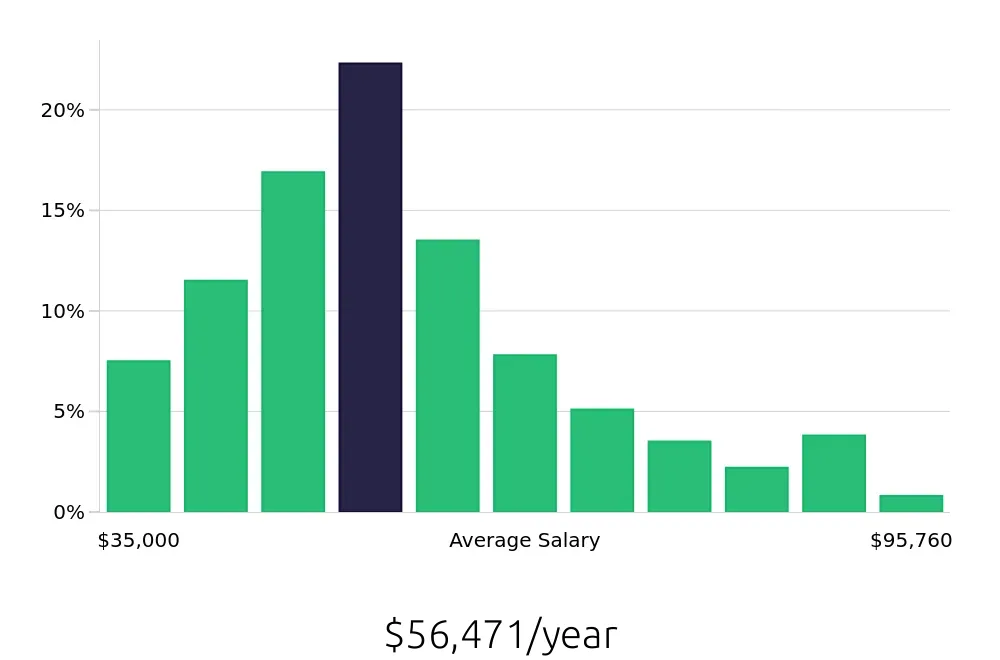
Sheet Metal Mechanics enjoy a competitive average national annual compensation of $64,270. This reflects the value and skill required for this specialized trade. Hourly compensation averages around $30.9, highlighting the importance of expertise and experience in the field. These figures indicate that pursuing a career as a Sheet Metal Mechanic can lead to a financially rewarding position. The combination of steady demand and attractive compensation makes this field an excellent choice for job seekers.
Professionals in this industry work with critical infrastructure, ensuring that buildings are safe and functional. As such, there is always a need for skilled Sheet Metal Mechanics. Job stability, coupled with the satisfaction of contributing to essential construction projects, makes this career path highly appealing. Job seekers entering this field can expect a mix of technical work, problem-solving, and the opportunity to learn from experienced colleagues. This blend of challenges and rewards makes Sheet Metal Mechanics a fulfilling career choice.
Currently 342 Sheet Metal Mechanic job openings, nationwide.
Continue to Salaries for Sheet Metal Mechanic