What does a Shipper do?
A shipper handles the logistics of sending and receiving goods. This person coordinates the transportation of items to customers or other businesses. They work with carriers and warehouses to ensure timely deliveries. They also prepare shipments for transit, including packing and labeling items properly.
Responsibilities include tracking shipments and updating the status for customers. Shippers must solve any issues that come up with the deliveries. This might involve delays or damaged goods. Communication is key for this job. Shippers often interact with different teams to keep the process running smoothly. They also need to follow all safety and legal guidelines for shipping.
How to become a Shipper?
Becoming a shipper involves several key steps that require careful planning and attention to detail. This role plays a crucial part in logistics and supply chains, ensuring goods reach their destinations efficiently. Follow these steps to embark on a successful career as a shipper.
Start with gaining the necessary education and training. Most shippers hold at least a high school diploma. Some employers prefer candidates with a degree in logistics, supply chain management, or a related field. Take courses that teach you about transportation, shipping regulations, and logistics software. This foundation will help you understand the complexities of the shipping industry.
- Obtain relevant education and training.
- Gain experience through internships or entry-level positions.
- Network with professionals in the shipping industry.
- Acquire certifications that enhance your qualifications.
- Apply for shipper positions and continually improve your skills.
Gain experience through internships or entry-level positions. Work with a shipping company, a logistics firm, or a freight forwarding company. These roles provide hands-on experience and valuable industry insights. Learn about different shipping methods, handling packages, and working with shipping documents. Employers often look for candidates with real-world experience.
Network with professionals in the shipping industry. Join professional organizations, attend industry conferences, and participate in online forums. Building relationships with other professionals can lead to job opportunities and mentorship. Always stay informed about industry trends and best practices.
- Obtain relevant education and training.
- Gain experience through internships or entry-level positions.
- Network with professionals in the shipping industry.
- Acquire certifications that enhance your qualifications.
- Apply for shipper positions and continually improve your skills.
Acquire certifications that enhance your qualifications. Certifications such as Certified Cargo Specialist (CCS) or Certified Professional Logistics Manager (CPML) can set you apart from other candidates. These credentials demonstrate your knowledge and commitment to the profession.
Apply for shipper positions and continually improve your skills. Look for openings at shipping companies, logistics firms, and transportation companies. Tailor your resume and cover letter to highlight your education, experience, and certifications. Stay updated with the latest shipping regulations and technology trends to excel in your role.
How long does it take to become a Shipper?
Gaining the skills needed to work as a shipper can vary. This role can involve packing, labeling, and ensuring items are ready for transport. Education and training can influence the timeline. High school students can explore basic skills in classes like business or logistics. Others may choose to take a community college course or get a certification.
On-the-job training often follows formal education. Many shippers learn directly from experienced coworkers. This hands-on experience helps new workers understand the job. Different companies offer various training programs. Some programs take a few weeks, while others may last several months. Consistency and dedication speed up the learning process. Shippers who stay focused and practice often become skilled more quickly.
Shipper Job Description Sample
The Shipper is responsible for overseeing the preparation, packaging, and shipment of goods and materials to customers. This role ensures that all shipping processes are efficient, accurate, and comply with regulatory requirements.
Responsibilities:
- Prepare goods and materials for shipment by inspecting packages for damage and ensuring they meet quality standards.
- Package items securely to prevent damage during transit.
- Complete shipping documentation accurately, including bills of lading, manifests, and customs documents.
- Coordinate with carriers and logistics providers to schedule shipments and ensure timely delivery.
- Maintain records of shipments, including tracking information and delivery confirmations.
Qualifications
- High school diploma or equivalent; additional education in logistics or a related field is a plus.
- Previous experience in a shipping or logistics role is highly desirable.
- Strong attention to detail and accuracy in handling and documenting shipments.
- Proficiency in using shipping and logistics software and tools.
- Good organizational skills and the ability to manage multiple tasks simultaneously.
Is becoming a Shipper a good career path?
A career as a shipper involves managing the logistics of transporting goods. Shippers work with clients to ensure that their items arrive on time and in good condition. This role requires strong organizational skills and attention to detail. Shippers often coordinate with carriers, handle paperwork, and ensure that shipments comply with regulations. This job can be both rewarding and challenging, offering opportunities to work in various industries.
Those interested in this career should consider both the advantages and disadvantages. Working as a shipper offers several benefits. Shippers often enjoy a stable job market, as goods need to move across the world. The role can be flexible, with opportunities for both office-based and remote work. Shippers can also gain valuable experience in logistics and supply chain management. However, the job has its challenges. Shippers may face tight deadlines and need to handle stressful situations. The role can also involve long hours, especially during peak shipping seasons. Being aware of these factors helps in making an informed decision about pursuing a career in shipping.
Here are some pros and cons to consider:
- Pros:
- Stable job market
- Flexible work options
- Gain valuable experience
- Cons:
- Tight deadlines
- Stressful situations
- Potential for long hours
What is the job outlook for a Shipper?
Job seekers looking to enter the logistics and transportation field may consider becoming a Shipper. This role plays a crucial part in ensuring goods are sent to the right destination on time. The job outlook for Shippers is a key consideration for anyone thinking about this career path. On average, there are about 39,000 job positions available each year. Despite a projected decrease of 7.7% in job openings from 2022 to 2032, the role remains stable and offers competitive compensation. This trend suggests that while fewer positions may be available, those who pursue this career can expect good earnings and job security.
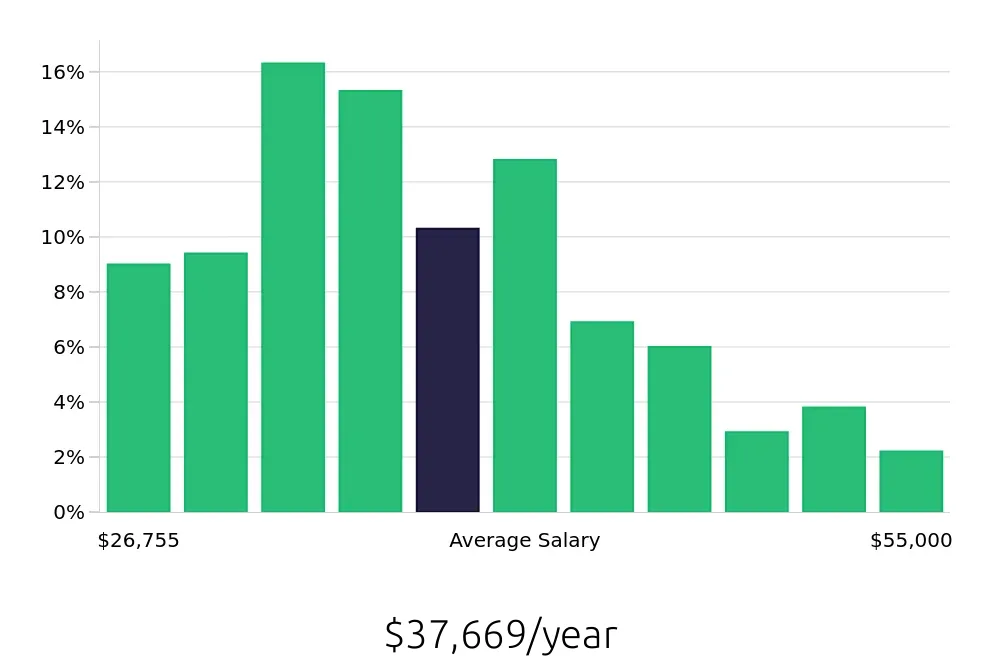
Shippers enjoy a strong earning potential. The average national annual compensation stands at $77,850. This figure highlights the financial rewards of a career in shipping. Additionally, Shippers earn an average hourly rate of $37.43, which reflects the value placed on their skills and responsibilities. These figures can make a career in shipping very attractive, especially for those willing to take on the challenges of the job. With the right training and dedication, Shippers can build a rewarding and stable career.
Entering the shipping industry can offer many opportunities. Despite changes in job availability, the compensation and role stability make this a worthwhile career choice. Those who pursue this path can expect to work in a dynamic environment, contributing to the smooth operation of logistics and transportation. With the right qualifications and dedication, Shippers can find a fulfilling and financially rewarding career.
Currently 373 Shipper job openings, nationwide.
Continue to Salaries for Shipper