What does a Shop Foreman do?
A Shop Foreman oversees daily operations within a shop environment. They ensure that all tasks are completed efficiently and safely. They manage a team of workers and coordinate work schedules. The Shop Foreman handles any issues that arise on the job site. This role requires strong leadership and problem-solving skills. Effective communication is crucial, as the Shop Foreman must interact with both team members and management.
Responsibilities of a Shop Foreman include overseeing the maintenance of equipment and tools. They must ensure that all safety protocols are followed. The Shop Foreman also monitors inventory and orders supplies as needed. They may perform some hands-on work alongside the team. This role often involves training new employees and providing guidance to less experienced workers. The Shop Foreman plays a key role in maintaining a productive and safe work environment.
Key skills for a Shop Foreman include:
- Leadership and team management
- Problem-solving and critical thinking
- Strong communication skills
- Knowledge of safety protocols and procedures
- Basic mechanical and technical skills
How to become a Shop Foreman?
Becoming a Shop Foreman involves a clear path to follow, ensuring that the necessary skills and experience are gained. This role is vital for managing daily operations in a shop, overseeing staff, and maintaining productivity. Here are five essential steps to achieve this position.
First, gaining relevant experience in the field is critical. This involves working in a shop environment, understanding machinery, and learning from experienced supervisors. Experience helps build a solid foundation for future responsibilities. Second, obtaining a high school diploma or equivalent is necessary. This provides a basic education that is often required for entry-level positions in many shops. Third, earning certifications in specific trades or skills can greatly enhance job prospects. Certifications demonstrate a commitment to professional development and a deeper understanding of the work.
Fourth, developing leadership skills is crucial. This includes learning how to manage and motivate a team, solving problems, and communicating effectively. Training in leadership or management can be beneficial. Fifth, networking within the industry helps in finding job opportunities and gaining recommendations. Attending industry events and joining professional associations can connect aspiring shop foremen with key players in the field.
Follow these steps to position yourself for success as a Shop Foreman. With dedication and the right approach, this career path can be both rewarding and fulfilling.
- Gain relevant experience in a shop environment.
- Obtain a high school diploma or equivalent.
- Earn certifications in specific trades or skills.
- Develop leadership skills through training or experience.
- Network within the industry through events and associations.
How long does it take to become a Shop Foreman?
The journey to becoming a Shop Foreman requires dedication and a clear path. Typically, this role demands several years of experience and education. A high school diploma or equivalent often serves as the starting point. Many employers prefer candidates with some college education, such as an associate's degree in a related field. Gaining hands-on experience in the trade is crucial. Workers may start as an apprentice or laborer, progressing through various positions such as Journeyman or Lead Worker.
Exact timelines can vary. On average, individuals spend around three to five years acquiring the necessary skills and experience. Some may complete a formal apprenticeship program, which can last two to four years. Others may work their way up through the ranks in their current company. Continuous learning and professional development help in moving up the ladder. Certifications and additional training can also play a vital role in career advancement. With the right combination of education, experience, and dedication, one can achieve the position of Shop Foreman.
Shop Foreman Job Description Sample
The Shop Foreman is responsible for overseeing the day-to-day operations of the shop, ensuring that all tasks are completed on time and to the highest quality standards. This role involves managing a team of mechanics, coordinating with other departments, and maintaining a safe working environment.
Responsibilities:
- Supervise and direct shop operations, including scheduling and assigning work.
- Monitor performance of shop personnel to ensure adherence to safety and quality standards.
- Coordinate with other departments to ensure smooth workflow and project completion.
- Maintain inventory of tools, equipment, and parts, and order as needed.
- Train and mentor shop staff, providing guidance and support.
Qualifications
- High school diploma or equivalent required; technical or vocational training preferred.
- Minimum of 5 years of experience in a similar role, preferably in a mechanical or automotive shop.
- Proven leadership skills with the ability to manage and motivate a team.
- Strong knowledge of shop operations, including tools, equipment, and safety practices.
- Excellent communication and interpersonal skills.
Is becoming a Shop Foreman a good career path?
Working as a Shop Foreman involves overseeing a team of workers in a manufacturing or repair shop. This role requires a mix of technical skills and leadership abilities. A Shop Foreman plans work schedules, assigns tasks, and ensures quality and safety standards are met. This position often demands long hours, including evenings and weekends. It can be a rewarding career for those who enjoy both hands-on work and managerial responsibilities.
A Shop Foreman enjoys several benefits. First, it provides the chance to work with the latest tools and technology in various industries. Second, there is the opportunity to mentor a team, helping them grow their skills. Third, a good foreman can advance to higher management roles. However, this career has challenges. One major drawback is the physical demands, which can lead to fatigue and injury. Another is the pressure to meet deadlines and maintain productivity. Additionally, dealing with conflicts among team members can be stressful.
Consider these pros and cons before pursuing a career as a Shop Foreman:
- Pros:
- Hands-on work with modern tools and technologies.
- Opportunity to mentor and lead a team.
- Potential for career advancement to management roles.
- Cons:
- Physical demands that can lead to fatigue and injury.
- Pressure to meet deadlines and maintain high productivity.
- Stress from managing conflicts within the team.
What is the job outlook for a Shop Foreman?
Job seekers looking to become a Shop Foreman can find a positive outlook for this role. The Bureau of Labor Statistics (BLS) reports an average of 49,200 job positions opening each year. This consistency offers stability and numerous opportunities. The projected percent change in job openings from 2022 to 2032 stands at 2.4%, indicating steady demand for skilled Shop Foremen. This growth ensures job security and potential career advancement for those in the field.
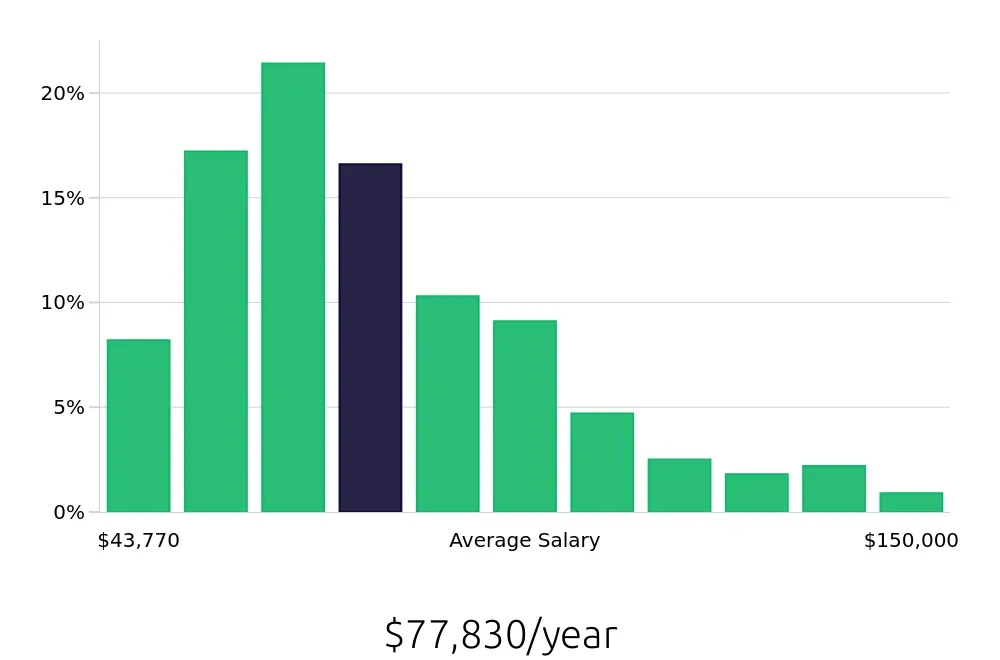
A Shop Foreman also enjoys a competitive compensation package. The BLS reports an average national annual salary of $79,020, making this role financially attractive. Additionally, the average national hourly wage is $37.99, reflecting the value placed on the skills and responsibilities of this position. These figures make the role of a Shop Foreman an appealing choice for job seekers prioritizing both job security and remuneration.
The role of a Shop Foreman requires a blend of leadership and technical skills, which are in high demand across various industries. Job seekers with experience in supervisory roles, coupled with technical expertise, will find ample opportunities in this field. The combination of steady job growth and strong compensation makes this career path a wise choice for those looking to invest in their future.
Currently 276 Shop Foreman job openings, nationwide.
Continue to Salaries for Shop Foreman