What does a Shop Manager do?
A Shop Manager oversees the daily operations of a retail store. This role involves ensuring that the store runs smoothly, meets sales goals, and provides excellent customer service. A Shop Manager leads a team of retail staff, schedules shifts, and trains new employees. They manage inventory, track sales, and handle customer complaints.
In this position, the Shop Manager also focuses on improving the customer experience. They implement marketing strategies, arrange products attractively, and ensure the store is clean and well-stocked. Additionally, the Shop Manager handles budgets, orders supplies, and ensures compliance with company policies and local regulations. They work closely with the store's assistant managers and other staff to achieve company objectives.
How to become a Shop Manager?
Becoming a Shop Manager is a rewarding career path for those who enjoy leadership roles and retail environments. It requires a mix of skills, experience, and dedication. Following a clear process can help job seekers achieve this position effectively.
Here are five essential steps to guide anyone through the journey of becoming a Shop Manager:
- Gain Retail Experience: Start by working in retail. Experience helps understand the daily operations of a shop. Positions like Sales Associate or Cashier provide valuable insights.
- Develop Leadership Skills: Take on roles that require supervising others. This could mean leading a team during a shift or handling customer service issues. Leadership experience shows potential managers can handle responsibilities.
- Pursue Education or Training: Consider courses in business management or retail management. These can be found at community colleges or online. Some employers offer internal training programs, too.
- Network with Professionals: Connect with current managers and industry professionals. Attend retail conferences or join professional groups. Networking opens doors to job opportunities and advice.
- Apply for Management Positions: Look for openings in your area. Tailor your resume and cover letter to highlight relevant experience and skills. Prepare for interviews by practicing common questions.
How long does it take to become a Shop Manager?
The path to becoming a Shop Manager varies. It depends on education, experience, and industry. Many start as sales associates. They learn the day-to-day tasks of running a shop. Others may come from related fields like logistics or customer service. On average, it takes about three to five years to reach a managerial position. Some companies offer training programs to prepare employees for management roles.
Education plays a big role in this timeline. A high school diploma is usually the minimum requirement. Some companies prefer or require a college degree in business or a related field. Relevant coursework can shorten the time needed to advance. Experience in retail or customer service can also speed up the process. Many managers have a mix of formal education and practical experience. Getting certifications in areas like management or leadership can help too.
Shop Manager Job Description Sample
We are seeking an experienced and dynamic Shop Manager to oversee the daily operations of our retail store. The ideal candidate will have a strong background in retail management, excellent leadership skills, and a passion for customer service. This role requires a proactive individual who can drive sales, manage inventory, and lead a team to achieve business goals.
Responsibilities:
- Oversee daily operations of the retail store, ensuring smooth and efficient workflow.
- Manage, train, and motivate store staff to provide excellent customer service.
- Conduct regular performance reviews and provide feedback to team members.
- Develop and implement strategies to increase sales and customer satisfaction.
- Manage inventory levels, placing orders, and ensuring stock is accurately recorded.
Qualifications
- Bachelor’s degree in Business Administration, Management, or related field preferred.
- Proven experience as a Shop Manager or similar role in a retail environment.
- Strong leadership and team management skills.
- Excellent communication and interpersonal skills.
- Proficient in using retail management software and MS Office Suite.
Is becoming a Shop Manager a good career path?
Managing a shop can be a rewarding career choice for those interested in retail and leadership. A Shop Manager oversees daily operations, ensures customer satisfaction, and manages staff. This role often requires excellent communication and organizational skills. With experience, a Shop Manager may have opportunities for advancement within the company.
For those considering this career, there are both advantages and challenges to think about. Being a Shop Manager offers the chance to lead a team and directly impact the success of the store. It also provides a stable job with benefits. However, it can be a demanding role that requires long hours, including weekends and holidays. It also involves dealing with difficult customers and managing inventory.
Here are some pros and cons to consider:
- Pros:
- Ability to lead and mentor a team
- Opportunities for career growth and advancement
- Potential for competitive salary and benefits
- Direct impact on store performance and customer satisfaction
- Cons:
- Long hours, including weekends and holidays
- Dealing with difficult customers and situations
- Managing inventory and supply chain logistics
- High-pressure environment with tight deadlines
What is the job outlook for a Shop Manager?
A career as a Shop Manager offers a steady job outlook for those entering the field. According to the Bureau of Labor Statistics (BLS), there are around 26,100 job positions available each year. This steady demand ensures that job seekers have ample opportunities to explore various roles and industries. With proper training and experience, professionals can look forward to a stable and rewarding career path.
While the job openings percentage is expected to decrease by 10.8% from 2022 to 2032, this does not necessarily reflect negatively on the profession. Economic trends and market shifts can affect job availability. However, experienced Shop Managers will continue to be in demand, especially those with specialized skills and a proven track record. Job seekers should focus on gaining relevant experience and certifications to enhance their employability. The BLS data highlights the importance of staying informed and adaptable in this dynamic field.
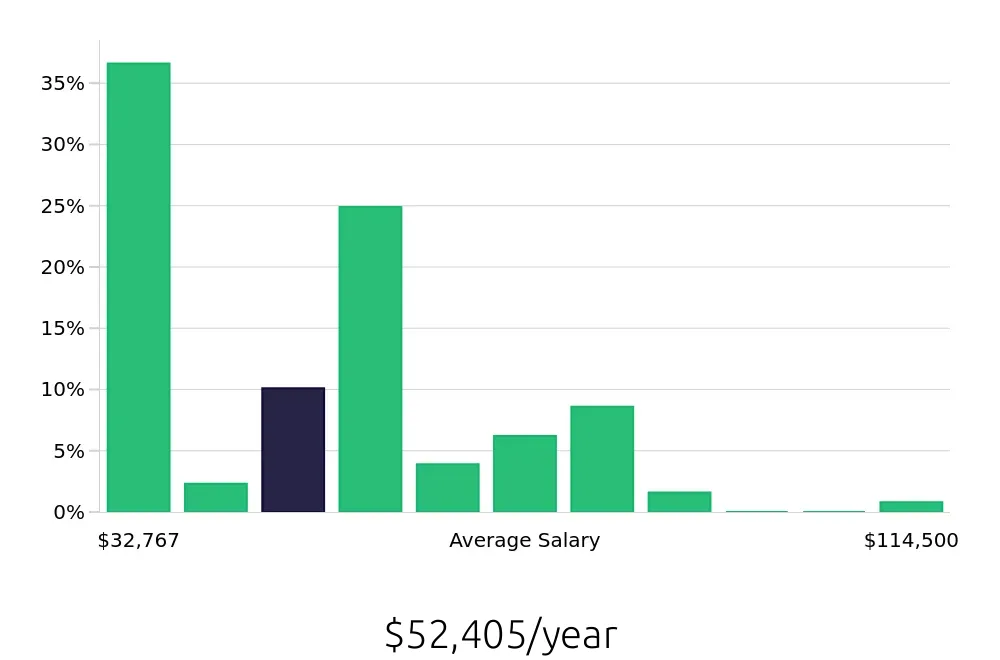
Shop Managers can expect a competitive salary, with an average national annual compensation of $44,950. Hourly compensation averages $21.61, providing a solid income for those in the role. Earnings can vary based on location, industry, and experience. The BLS data shows that this profession offers financial stability and growth potential. Job seekers can look forward to a rewarding career with the chance to advance and increase their earnings over time. This makes the role of a Shop Manager a viable and attractive career option.
Currently 9 Shop Manager job openings, nationwide.
Continue to Salaries for Shop Manager