What does a Site Director do?
A Site Director oversees the daily operations of a facility. This role ensures everything runs smoothly. The Site Director coordinates with staff to meet goals and standards. This person plans and organizes events and activities. They manage budgets and resources. The Site Director communicates with stakeholders. They address concerns and provide updates.
The Site Director develops and implements policies and procedures. This role focuses on improving operations and safety. They train and supervise staff. They ensure everyone follows rules and guidelines. The Site Director also works closely with the community. They build relationships and promote the facility. This position requires strong leadership and problem-solving skills. It demands effective communication and organization.
How to become a Site Director?
A Site Director plays a crucial role in managing and overseeing the daily operations of a construction project. This position requires a blend of leadership skills, technical knowledge, and practical experience. Following these steps can guide someone towards becoming a successful Site Director.
Starting the journey to becoming a Site Director involves gaining relevant experience in the construction industry. This often includes working as a site supervisor or foreman. The next step involves obtaining a formal education in construction management or a related field. This education provides the foundational knowledge needed to manage teams and projects effectively. After education, gaining hands-on experience is essential. This experience allows individuals to understand the practical aspects of site management.
Here are key steps to become a Site Director:
- Gain experience in construction roles.
- Obtain a degree in construction management.
- Seek certifications relevant to site management.
- Develop strong leadership and communication skills.
- Network within the construction industry.
Each step helps build the skills and credentials necessary for a successful career as a Site Director. With dedication and the right approach, anyone can achieve this leadership role.
How long does it take to become a Site Director?
Pursuing a career as a Site Director often requires a combination of education, experience, and skills. Most individuals need at least a bachelor's degree in business administration, management, or a related field. This formal education usually takes four years. Alongside this degree, gaining practical experience in management or related roles can take an additional 2 to 4 years.
For those who choose to further their education, obtaining a master's degree can add another 1 to 2 years. Many Site Directors also complete internships or apprenticeships during their undergraduate studies. These hands-on experiences are crucial for developing skills in leadership, project management, and team coordination. After gaining the necessary education and experience, professionals often work in entry-level to mid-level management positions, which can span several years, until they reach a level where they can manage an entire site.
Site Director Job Description Sample
A Site Director is responsible for overseeing the operations of a specific site, ensuring smooth and efficient functioning of all activities. They lead and manage the site team, implement company policies, and ensure compliance with all legal and safety regulations.
Responsibilities:
- Lead, motivate, and manage the site team to achieve operational objectives.
- Ensure the site operates in compliance with all legal and safety regulations.
- Develop and implement site policies and procedures to enhance operational efficiency.
- Monitor and analyze site performance, identifying areas for improvement and implementing corrective actions.
- Prepare and manage the site budget, ensuring cost-effective operations.
Qualifications
- Bachelor’s degree in Business Administration, Management, or related field.
- Proven experience in a managerial or supervisory role, preferably in a similar industry.
- Strong knowledge of operational management and site-specific regulations.
- Excellent leadership, communication, and interpersonal skills.
- Strong problem-solving and decision-making abilities.
Is becoming a Site Director a good career path?
A Site Director leads a construction or development project from start to finish. This role demands a mix of technical skills, leadership, and communication. The Site Director oversees all site activities, ensuring projects stay on time, within budget, and meet quality standards. This role plays a key part in managing teams, coordinating with clients, and solving problems on site.
Working as a Site Director offers many benefits. This position often includes a competitive salary and the chance to work on interesting projects. Directors have the chance to shape the final outcome of a project. They also get to inspire and lead a team of skilled professionals. However, this role can be demanding. Directors must work long hours and handle high stress. They need to quickly solve problems and make tough decisions. Balancing these demands requires strong skills and a resilient mindset.
Consider these pros and cons before pursuing this career:
- Pros:
- Competitive salary and benefits
- Opportunity to lead and inspire a team
- Variety of interesting and challenging projects
- Potential for career advancement and growth
Remember, the role of a Site Director demands a balance of technical knowledge, leadership, and problem-solving skills. Those who thrive in this position often enjoy a rewarding and impactful career.
Some cons to think about:
- Long and sometimes irregular hours
- High stress and pressure
- Need to handle unexpected challenges quickly
- Heavy responsibility for project outcomes
What is the job outlook for a Site Director?
The job outlook for Site Directors presents a promising landscape for professionals in this field. With an average of 94,400 job positions available per year, according to the BLS, it reflects a steady demand for qualified candidates. This trend is expected to continue, with a projected percent change of 3.3% in job openings from 2022 to 2032. This growth signifies a stable career path with ample opportunities for those looking to advance in their profession.
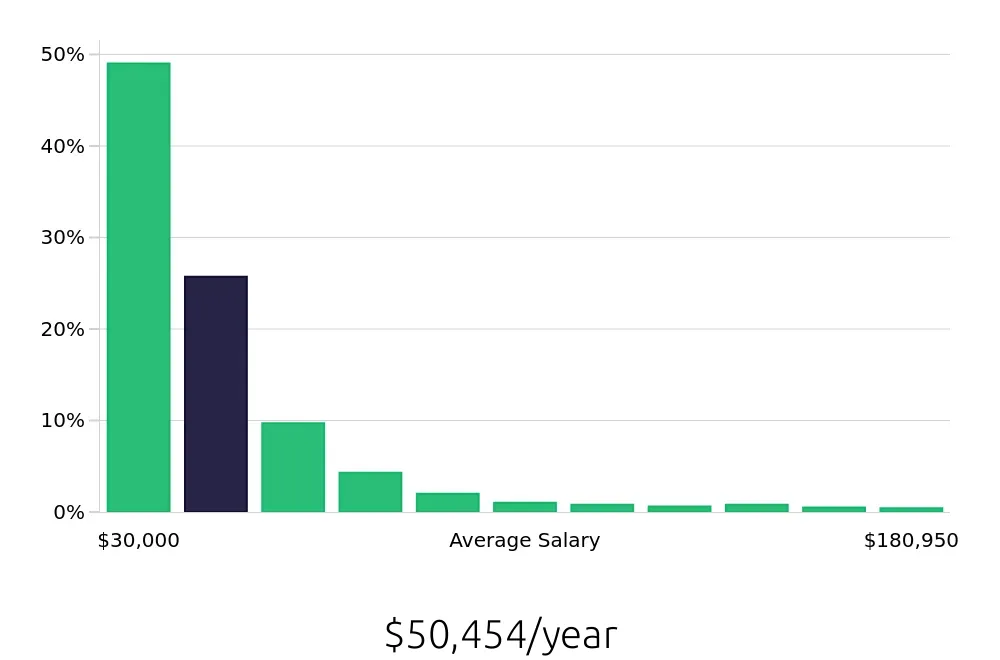
Site Directors enjoy a competitive salary, with the BLS reporting an average national annual compensation of $146,320. This figure underscores the value placed on the skills and responsibilities associated with this role. Additionally, the average hourly compensation stands at $70.35, highlighting the financial rewards that come with this career path. These figures make the Site Director position an attractive choice for job seekers aiming for both professional growth and financial security.
Securing a position as a Site Director involves stepping into a role that requires leadership and management skills. This profession offers a mix of on-site responsibilities and strategic oversight, making it ideal for those who thrive in dynamic environments. With the job outlook, compensation, and skill requirements favoring this career, job seekers can confidently pursue this path with the expectation of long-term career stability and personal fulfillment.
Currently 664 Site Director job openings, nationwide.
Continue to Salaries for Site Director