What does a Site Planner do?
A Site Planner plays a crucial role in the construction industry. This professional designs and plans the layout of a construction site. They ensure that all elements of a project fit together perfectly. This includes roads, buildings, and utility installations. A Site Planner collaborates with architects, engineers, and contractors to make sure everything runs smoothly. They use computer software to create detailed site plans. These plans help prevent issues on the construction site.
Responsibilities of a Site Planner involve a mix of technical and creative skills. They analyze the site’s terrain and existing structures. This ensures the new construction fits well with the surroundings. They also calculate the materials and manpower needed for the project. A Site Planner needs to understand building codes and regulations. They make sure all plans comply with local laws. Attention to detail is key in this role. Errors in planning can lead to costly delays and problems. By providing clear and accurate site plans, a Site Planner helps the construction team complete projects on time and budget.
How to become a Site Planner?
Interested in becoming a Site Planner? This rewarding career involves designing and planning land use. It includes parks, buildings, and infrastructure. The process requires a mix of education, experience, and skills. Follow these steps to start your career as a Site Planner.
First, get a relevant degree. Most Site Planners hold a degree in urban planning, architecture, or a similar field. A degree provides the necessary knowledge. It covers zoning laws, design principles, and environmental regulations. Next, gain practical experience. Many employers prefer candidates with some experience. Internships or entry-level positions in planning departments can help. Working under experienced planners gives valuable insight.
- Earn a relevant degree. Look for programs in urban planning, architecture, or environmental design.
- Gain practical experience. Work in internships or entry-level jobs. This helps to understand the field better.
- Get licensed. Some areas require planners to be licensed. Check local laws and apply for necessary certifications.
- Develop key skills. Learn to use planning software and tools. Strong communication and problem-solving skills are also essential.
- Network and apply. Join professional groups and attend job fairs. Apply for positions that match your skills and experience.
With dedication and the right education, anyone can become a Site Planner. Start by getting the necessary degree, gaining experience, and building a strong skill set. Follow these steps to launch a successful career in site planning. Building a better community, one plan at a time.
How long does it take to become a Site Planner?
Site planning offers a rewarding career with good job prospects. People who enter this field can look forward to a variety of challenges and opportunities. The exact time to become a site planner can vary based on educational paths and experience levels. Most people will need a bachelor's degree in a relevant field, such as architecture, urban planning, or civil engineering. This degree typically takes about four years to complete.
After earning a bachelor's degree, gaining practical experience becomes essential. Many site planners work as interns or in entry-level positions during their studies to build their skills. It often takes about one to two years of work experience to become fully qualified. Some site planners may choose to continue their education with a master's degree, which can take an additional two years. This advanced degree can open up more job opportunities and higher salaries. The journey to becoming a site planner involves a mix of education and hands-on experience, making it a worthwhile career choice for those interested in shaping communities and environments.
Site Planner Job Description Sample
The Site Planner is responsible for the detailed design and layout of construction projects. They work closely with architects, engineers, and contractors to ensure that construction plans meet design specifications and are feasible on site. The Site Planner must have a strong understanding of construction methods, materials, and site conditions.
Responsibilities:
- Develop and implement construction plans in accordance with design specifications and regulatory requirements.
- Conduct site surveys and assessments to identify constraints and opportunities.
- Coordinate with architects, engineers, and contractors to ensure alignment between design plans and site realities.
- Prepare and manage construction schedules and budgets.
- Oversee the installation of temporary facilities and services.
Qualifications
- Bachelor's degree in Civil Engineering, Architecture, Construction Management, or a related field.
- Professional certification such as Chartered Civil Engineer (ICE), LEED Accredited Professional (USGBC), or equivalent is desirable.
- Minimum of 3-5 years of experience in site planning or a related role.
- Strong knowledge of building regulations, standards, and safety requirements.
- Excellent communication and negotiation skills.
Is becoming a Site Planner a good career path?
Working as a Site Planner involves overseeing the development of land and structures. This role requires a mix of design, technical skills, and regulatory knowledge. Site Planners ensure that projects meet local zoning laws and environmental standards. They work closely with architects, engineers, and construction teams to bring projects from concept to completion.
Being a Site Planner offers a chance to shape communities and improve public spaces. This role provides a mix of office work and site visits. It allows for creative problem-solving and collaboration with various professionals. Site Planners often find their work fulfilling as they contribute to the growth and sustainability of urban areas.
Consider these pros and cons before starting a career as a Site Planner:
- Pros:
- Creative work that combines design and technical skills.
- Opportunity to influence community development and sustainability.
- Collaborative work with architects, engineers, and construction teams.
- Job stability with growing demand for urban planners.
- Cons:
- Frequent travel to construction sites, which can be time-consuming.
- Need to stay updated with local zoning laws and regulations.
- Potential stress from project deadlines and regulatory compliance.
- Workload can be heavy, especially during project launches.
What is the job outlook for a Site Planner?
Job seekers interested in becoming a Site Planner can look forward to a promising job outlook. The Bureau of Labor Statistics (BLS) reports around 10,000 job positions available annually. This steady demand reflects a stable career path with opportunities for growth.
The BLS also projects a 4.2% increase in job openings for Site Planners from 2022 to 2032. This positive trend suggests that companies will continue to need skilled professionals to manage site development and ensure projects meet safety and regulatory standards. Job seekers can expect a healthy job market for this role.
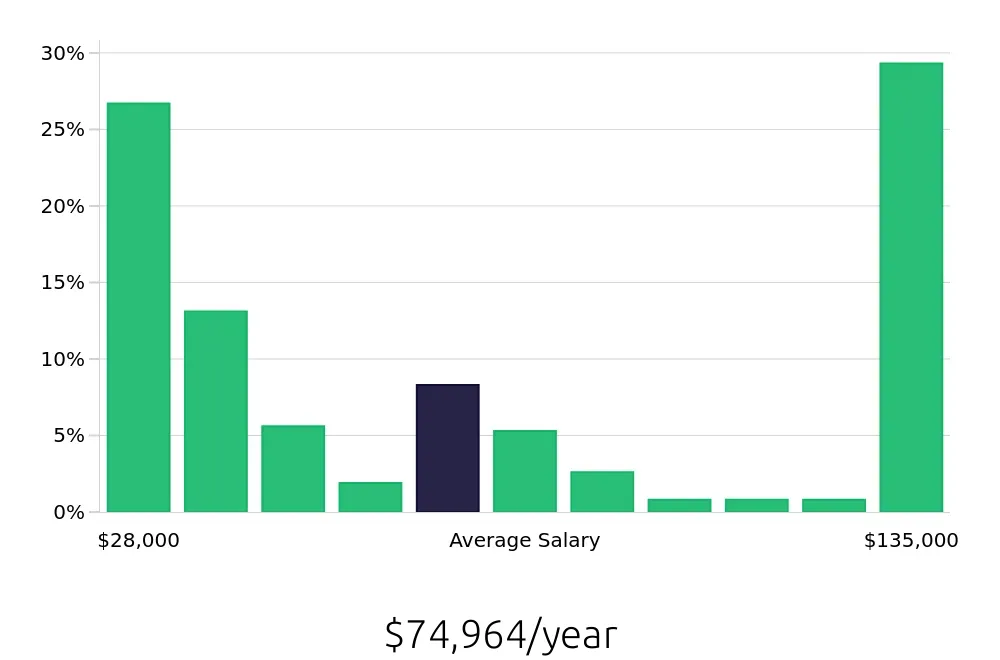
Aspiring Site Planners can earn a competitive salary. The BLS reports an average annual compensation of $97,860. On an hourly basis, the average pay is $47.05. These figures highlight the value employers place on Site Planners' expertise in project management and site analysis. With solid job prospects and a strong salary, this career offers attractive benefits for job seekers.
Currently 188 Site Planner job openings, nationwide.
Continue to Salaries for Site Planner